




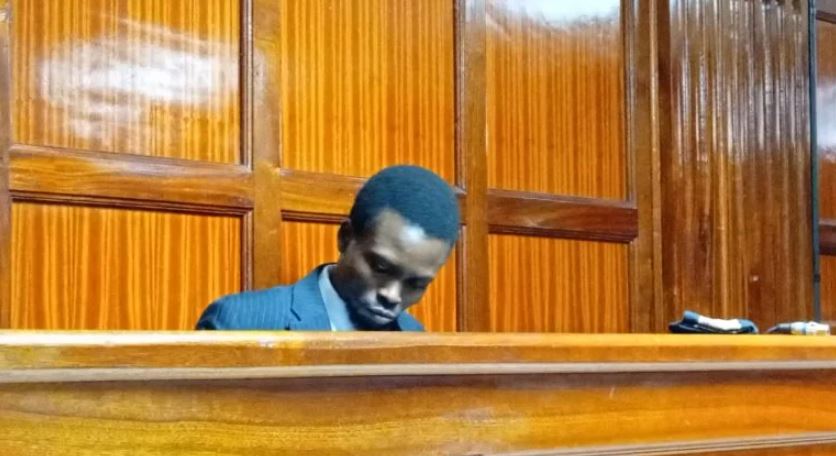

The High Court of Kenya in Nairobi heard on Tuesday, April 21, 2026, that a crucial piece of evidence in the Starlet Wahu murder case may be irretrievably lost after the main suspect’s mobile phone was formatted, wiping all stored data.
Testifying before Justice Alexander Muteti, Inspector Alex Chokera revealed that investigators had planned to extract key digital evidence from John Matara’s phone. The data, including text messages, images, videos, and WhatsApp conversations, was expected to shed light on communication between the suspect and the victim in the weeks leading up to her death.
Instead, forensic examiners found the device empty. The phone, marked as Exhibit B in court, had already been wiped before it reached forensic analysts, eliminating any possibility of retrieving potentially critical evidence.
“My Lord, exhibit B, the accused person’s phone was formatted before the time of extraction; hence, no desired data could be retrieved,” Chokera informed Justice Alexander Muteti.
Courtroom Tensions Rise Over Chain of Custody
The revelation triggered a tense exchange between the prosecution and the defense, with both sides questioning how such a key piece of evidence could have been compromised.
Inspector Chokera told the court that he had no knowledge the phone had been formatted when he took over the case. He firmly denied any involvement in altering the device.
“My lord, I did not interfere with the phones.”

The defense, however, challenged this account, pointing out that investigators had access to the phone’s PIN. They argued that the missing data could have supported the suspect’s case, including images and messages they claim were critical to his defense.
“As you took over the phone, were you aware that it was formatted?” Matara’s lawyer asked the officer.
Questions Over Handling of Evidence
Inspector Chokera outlined the phone’s chain of custody, stating that he received it from the arresting officer at Mbagathi Hospital on January 4, 2024. At the time, the device was locked with a PIN.
He maintained that he forwarded the phone to forensic experts in the same condition he received it and only learned it had been wiped after the forensic report was returned.
“My lord, no, I was not aware that the phone had been tampered with.”
Chokera added that he could not determine who formatted the phone, noting that multiple officers handled the device before it reached the lab.
Case Hinges on Missing Digital Evidence
The loss of data now raises serious concerns about the integrity of evidence in the case. The defense insists that the erased information may have contained exculpatory material, potentially influencing the outcome of the trial.
With conflicting accounts over what happened to the phone, the court must now determine whether the data was erased before the suspect’s arrest or during its handling by law enforcement.
As proceedings continue, the fate of the missing digital evidence could play a decisive role in shaping the direction of the case.