




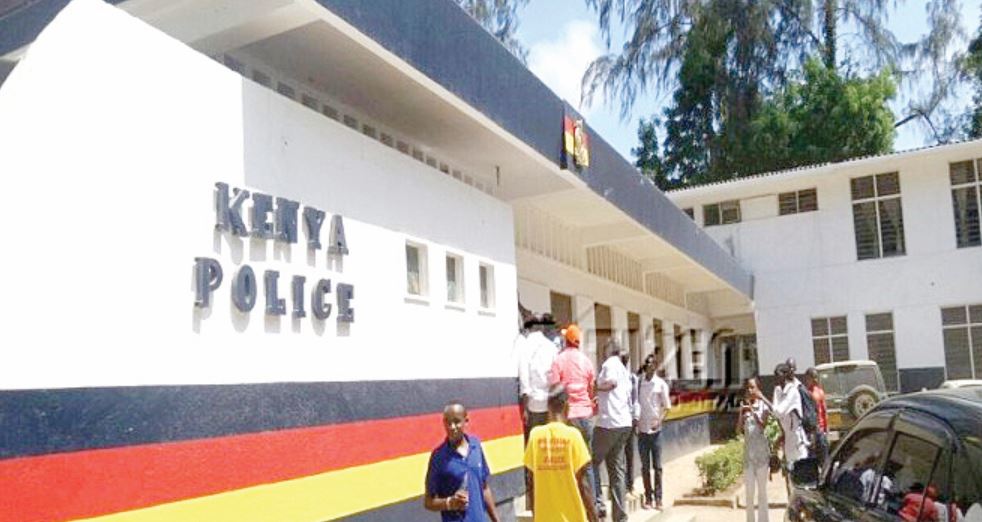
 The Kenya Police Service (KPS) has clarified the operational mechanics of cash bail, framing it as a procedural necessity within the justice system rather than a punitive measure.
In an update shared on Tuesday, April 21, 2026, the service explained that cash bail acts as a refundable security deposit. This payment guarantees that an accused person will meet their legal obligations, such as reporting to a police station or attending court proceedings on scheduled dates.
By fulfilling these conditions and attending every required appearance, the individual remains eligible for a full refund of the amount paid. The KPS noted that once the legal process concludes or the court discharges the suspect, the authorities return the deposit without any deductions. This system ensures that individuals can maintain their liberty while their cases proceed, provided they respect the guidelines set by the court or the police.
The Kenya Police Service emphasized that anyone paying bail must obtain an official Police 18A receipt, as this document serves as the essential proof of payment.
The service warned that reclaiming funds becomes significantly more complicated without this specific receipt. If a claimant loses the original, they must navigate a formal recovery process, which involves swearing an Affidavit of Loss before a Commissioner for Oaths and obtaining a Police Abstract to validate the refund request.
To prevent these administrative hurdles, the police advised the public to take immediate precautions. They recommend that individuals create a digital backup by photographing the receipt the moment they receive it, ensuring that a record exists even if the physical copy is misplaced.