

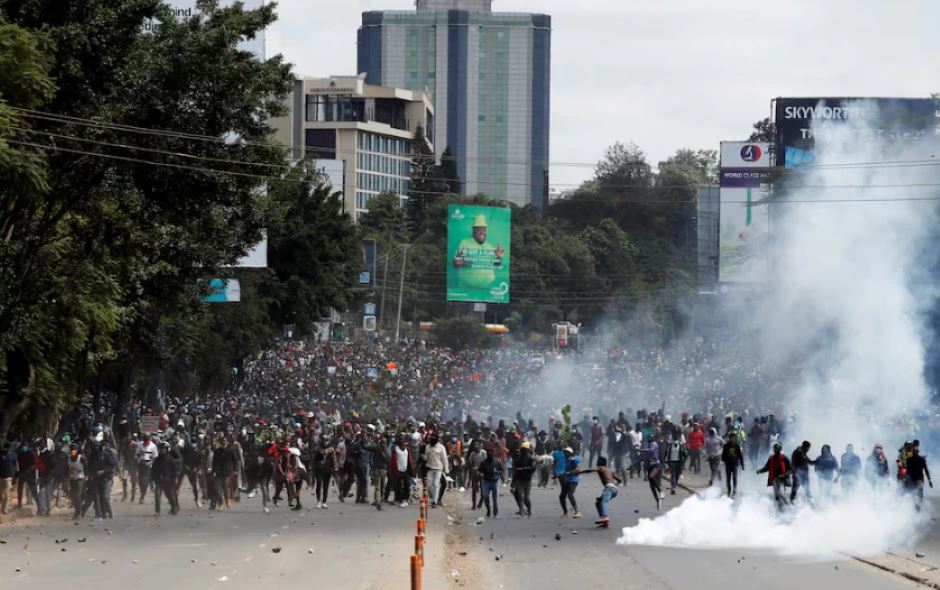
 The Kenya National Commission on Human Rights (KNCHR) has unveiled a comprehensive compensation framework for protest victims as part of its newly released Reparations Guidelines, 2026.
The Commission recommends awarding monetary compensation and specialized medical packages to individuals who sustained injuries during demonstrations, as well as to families who lost loved ones. This move follows a call for victims to register their claims before the initial April 3, 2026, deadline.
To refine these measures, the KNCHR is now inviting the public to share their views and submit formal memoranda on the proposed guidelines by April 27, 2026. Under this framework, any eligible person holds the right to lodge a reparations claim with the relevant state agencies for human rights violations.
The guidelines also ensure that no victim is left behind due to legal or physical barriers. Claims can be filed by individuals acting on behalf of those unable to represent themselves or by those representing a group or class of affected persons. Additionally, the framework allows for claims made in the public interest, by associations representing their members, or by communities that have suffered collective harm.
Victims or their representatives can submit these claims through a variety of channels, including a prescribed physical form, oral testimony, or official electronic platforms. However, the KNCHR requires a high level of documentation to support each case. Complainants must provide their contact details and a specific account of the alleged violation, backed by medical reports, police abstracts, and any available audiovisual evidence.
Once submitted, the claims undergo a strict verification process. This includes authenticating official documents with the relevant authorities, interviewing witnesses, and conducting site visits to ensure the legitimacy of each claim.
After shortlisting the beneficiaries, the implementing agency will tailor the compensation to the specific gravity of each violation. The agency plans to assess socio-economic impacts such as physical or mental harm, lost opportunities in employment or education, and the actual costs of medical, legal, and psychological support.
“In effecting reparations, the Implementing Agency shall cooperate with any government ministries, departments, and agencies, or any other person or entity, as are relevant and appropriate to provide the most effective reparations,” the Commission said in a statement.
To determine the appropriate payout for each case, the commission will evaluate the specific nature of the violation, how long it lasted, and the total harm the victim endured.
Proposed Monetary Compensation
The guidelines recommend significant financial awards tailored to the severity of the human rights breach:
-
Fatalities: Families of those killed in custody, during demonstrations, or by shootings should receive at least KSh 3,000,000, plus coverage for medical and funeral expenses and a formal public apology.
-
Abductions: Victims of enforced disappearances and abductions are slated for a minimum of KSh 2,000,000, alongside psychosocial support provided under the Social Health Authority (SHA) cover.
-
Sexual and Gender-Based Violence (SGBV): The commission recommends KSh 4,000,000 for SGBV victims, supplemented by medical expenses, psychosocial support, and an apology.
-
Unlawful Detention: Those subjected to illegal arrest or detention should receive a minimum of KSh 200,000 and an apology.
Injury and Trauma Support
The framework also addresses the long-term physical and mental impact on survivors:
-
Severe Injuries: Victims who suffered bullet wounds or amputations are eligible for KSh 1,000,000, disability benefits, and medical coverage.
-
Moderate and Minor Injuries: The commission proposes a minimum of KSh 500,000 for fractures or dislocations and KSh 100,000 for minor injuries, both including medical benefits and an apology.
-
Psychological Trauma: Those suffering from mental distress should receive at least KSh 250,000 and specialized support under the SHA.
-
Property Damage: Victims of looting or property destruction will receive a minimum of KSh 100,000, with the final amount depending on a professional valuation.
The commission plans to prioritize individuals with extreme medical conditions and members of vulnerable groups, ensuring they receive support first. All monetary awards will go directly to the victims or their legally recognized representatives. Once the commission makes a written determination on a claim, it will notify the victim of the outcome within 30 days.
For claimants who disagree with the decision regarding their eligibility or the amount awarded, the guidelines provide a clear path for review. However, the commission noted that these requests must meet a specific threshold to proceed.
“A request for reconsideration will not be granted unless a state agency is satisfied that there are new facts or supporting materials that could not reasonably have been provided earlier,” the report added.
The KNCHR has been actively compiling a database of names involving those affected by demonstrations in 2017, 2024, and 2025. To fund this initiative, the government has already set aside KSh 2 billion in the 2025/2026 supplementary budget specifically to compensate victims of protests and police brutality.