




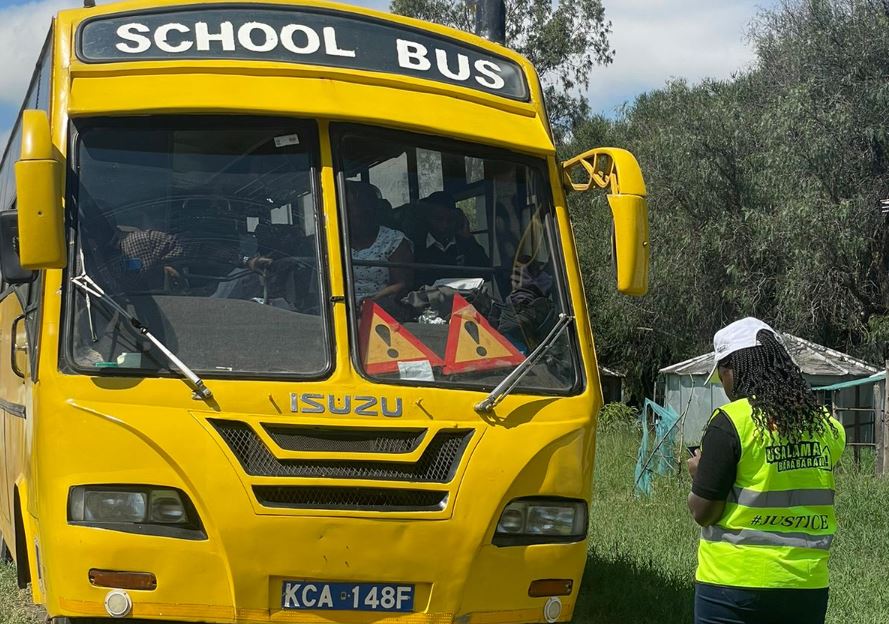
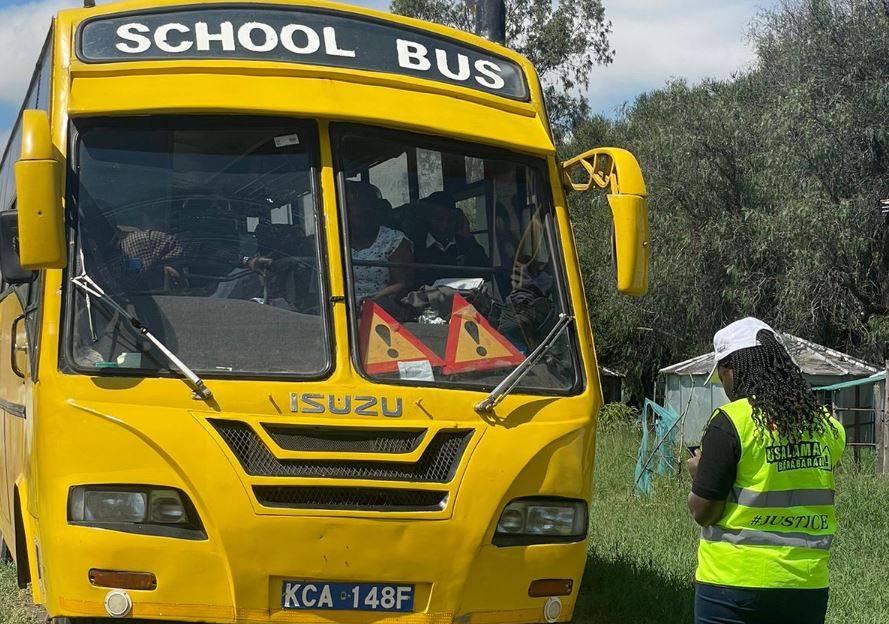
 The National Transport and Safety Authority (NTSA) is rolling out a critical safety roadmap for school administrators as classrooms prepare to reopen next week. Through its Operation Watoto Wafike Salama campaign, the regulator issued an eight-point checklist designed to safeguard learners during their daily commute. The advisory serves as a firm call to action for schools to prioritize vehicle integrity and regulatory compliance before the term begins.
With thousands of students about to hit the road, the NTSA highlights the surge in traffic and the heightened responsibility of those managing school fleets. The authority insists that every bus and van must meet strict mechanical standards to navigate the busy reopening period safely.
“As schools prepare to reopen, all school administrators are urged to ensure that their transport vehicles are roadworthy and compliant with safety regulations,” NTSA said.
Under these new directives, institutions must verify that every vehicle is in top condition and equipped with functional safety belts. The requirements also focus heavily on the human element; schools must hire qualified professionals, maintain strict supervision over their staff, and confirm that all speed limiters operate correctly.
Crucially, the NTSA maintains a zero-tolerance policy regarding drivers or conductors working under the influence of alcohol.
To further minimize danger, the authority ordered that school transport stick strictly to designated routes. Officials warned that any deviation from approved paths could expose children to avoidable hazards.
“Our children need to get to school safely,” the authority stated.
The campaign hashtag #WatotoWafikeSalama (“children should arrive safely”) checklist belongs to a wider initiative by the regulator to curb road accidents involving students, particularly during the high-traffic windows of school opening and closing dates.
The NTSA has ramped up its inspection protocols for both public service vehicles and school fleets. These checks focus heavily on the functionality of speed governors, the validity of driver credentials, and the overall mechanical health of the vehicles.
The authority has made its position clear: institutions that ignore these safety benchmarks face stiff penalties, including the potential loss of their operating licenses. These teams will be on high alert to ensure that every school transport provider follows the guidelines to the letter.