





- The price of petrol reaches KSh 206.97 while diesel is KSh 206.84, the difference being only 13 cents
- EPRA announces new prices while many citizens are surprised by the sudden increase
- The conflicts in the Middle East and the decline in the value of the shilling shake the oil market
- Kenyans are facing a rise in the cost of living with the effects expected to spread throughout the country
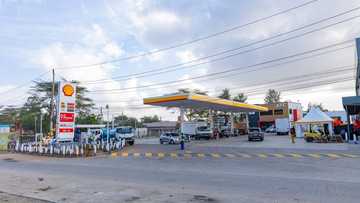
Nairobi: On the morning of April 15, 2026, you probably heard the news while you were still in bed. Or you saw WhatsApp ringing. Or you arrived at the gas station and your heart stopped a little when you saw the new cost on the board. Petrol — Ksh 206.97. Diesel — Ksh 206.84.
Many just said two words: “Why sign?” Well. Now it’s like this.
Home: Who exactly is EPRA?
If you hear EPRA and think it’s an oil company, you’re wrong. EPRA is basically Energy and Petroleum Regulatory Authority. In plain Kiswahili?
They are the government authority that controls the electricity, natural gas and petroleum sectors in Kenya. It monitors oil prices in the world, evaluates the situation of our shilling against the dollar, then they announce: “For this month, the highest oil price will be this.”
All oil companies Total, Shell, Rubis, Hass are not allowed to sell more than the price announced by EPRA. So if you blame the big man of the petrol station then you will be wrong because he did not decide. EPRA is what they decided.
They make those decisions every month. this month? But this time, the average Kenyan feels squeezed more than in previous years.
History of EPRA — From ERB to Today
EPRA did not emerge overnight. It is the result of many decades of reforms in Kenya’s energy sector.
It all started in 1997, when the Electric Power Act created an organization called the Electricity Regulatory Board (ERB) whose role was to manage the electricity sector alone. At that time, oil and electricity were managed separately like two hands that did not hold together.
Later, the reform of the energy sector led to the creation of the Energy Regulatory Commission (ERC) through Energy Act No. 12 of 2006, which was revised again in 2012. The ERC was a major step that combined the management of electricity and oil together under one roof. But it was still not enough to meet Kenya’s growing needs.
Then came the biggest change. Energy Act No. 1 of 2019 repealed the Energy Act of 2006 and officially established the Energy and Petroleum Regulatory Authority EPRA with the widest authority to manage the entire energy sector.

In simple words: today’s EPRA is a new, serious, and more authoritative version of an organization that has matured for more than twenty years.
What Is EPRA Legally Based On?
EPRA has been officially established under the Energy Act, 2019 as the authority that manages the economic and technological sectors of electricity, renewable energy, oil, and coal in Kenya.
Its establishment by parliamentary law gives EPRA great credibility and this positively affects the confidence of investors and consumers. You can’t just go to court and say “EPRA is illegal” they are created by parliament, they work according to the law.
The chairman of the EPRA board is appointed by the President of Kenya, while the Minister of Energy appoints ten board members, five of them coming from the private sector. Each member serves for a term of three to four years, and can be reappointed only once.
This means EPRA is not one-sided — it is a combination of government and the private sector. But it still forces itself to answer before parliament when necessary.
How has EPRA grown over the years?
From the ERB of 1997 which only regulated electricity, to today’s EPRA the growth is huge. Today, EPRA manages large companies such as the Kenya Electricity Generating Company, Kenya Power and Lighting Company, Kenya Pipeline Corporation, National Oil Corporation of Kenya, and all oil companies in the country.

Its functions include issuing licenses, protecting consumer rights, monitoring compliance, promoting renewable energy, and collecting industry data for policy decisions.
In summary, the organization that started as a “small electricity board” in 1997 has become a powerful institution that touches every house, every shop, and every car in Kenya. And every 15th month, you see that power in your pocket.
And Inflation? What’s That Again?
Think about it this way. Three years ago, you were eating two pancakes for Ksh 20 on the way. Today you pay Ksh 40 and sometimes it is less than the old one. That is inflation, meaning inflation.
Your money is still Ksh 40. But its strength has dropped. You pay more, you get less. This is inflation.
Oil and inflation go hand in hand like brothers. As diesel increases, trucks carrying maize, flour, and sugar from Mombasa to Nairobi incur additional costs.
And I think you know where that cost ends? In your bag at the store.
What Really Happened Today?
As of tonight, premium Petrol is being sold at Ksh 206.97 per litre, up from Ksh 178.28.

Diesel has reached Ksh 206.84, from Ksh 166.54 previously. It is kerosene alone that has not changed but that is its own story.
You know what’s sadder? Diesel and petrol are almost the same price, the difference is only 13 cents in Nairobi. Previously, the difference was more than Ksh 10. Now there is no difference in practice.
For drivers of threetrucks, and commercial motorcycles? This is a huge blow.
Why Are Prices So High — In One Word: Earth
Kenya does not produce its own fuel. Every drop of oil we use comes from abroad, so domestic prices are directly affected by changes in the international market.
And the global market is hot right now.
Since the attacks of the United States and Israel against Iran in February, the world’s oil markets have experienced the greatest stress since the 1970s.
The crisis in the Strait of Hormuz, the main oil route in the world, has contributed to the price going up like a car on a hill.
Then our shilling is not that strong. Oil is sold in dollars, and in March the shilling was sold at an average of 130 per dollar. If you do the math, you will quickly see that you are paying more, without even asking.

And on top of all that, Kenya had its own scandal.
Domestic Oil Scandal
Three senior government officials resigned in early April.
This is after an investigation showed that the country’s oil reserve figures may have been distorted, leading to the purchase of emergency fuel for a ship called MT Paloma outside the normal system, at a high price, with fuel that was said to be poor.
This scandal has increased the concern of citizens who already had many questions.
The Government Tried — But…
To their credit, the government tried. They reduced the VAT on fuel from 16 to 13 percent, and used Ksh 6.2 billion from the Petroleum Development Levy Fund to cool the price.
Without those measures, we could be talking Ksh 230 or more today.
But as Governor Orengo of Siaya said today, the people are visible “being forced to pay more despite growing concerns about fuel quality and the rising cost of living.” Heavy words but many say he is pointing to the truth.
How will the citizen be affected?
Don’t be fooled, this is news only for those who own cars. Of course not.

Fares for matatu will go up. Store goods will go up. The bread will rise. A farmer who needs diesel to cultivate his farm will increase the cost. And the common citizen, you and I, will carry this burden in our hands every day.
The new prices will last until May 14, 2026 and the global environment shows no sign of slowing down any time soon.
In summary EPRA is not your enemy. But their decisions affect you directly, every day, no matter what you do or where you live in Kenya.
Inflation is not just an economic term, it is the situation you live in when you arrive at the grocery store and stop for a while before taking money out of your pocket.
And today, the whole of Kenya stopped a little.
Source: TUKO.co.ke