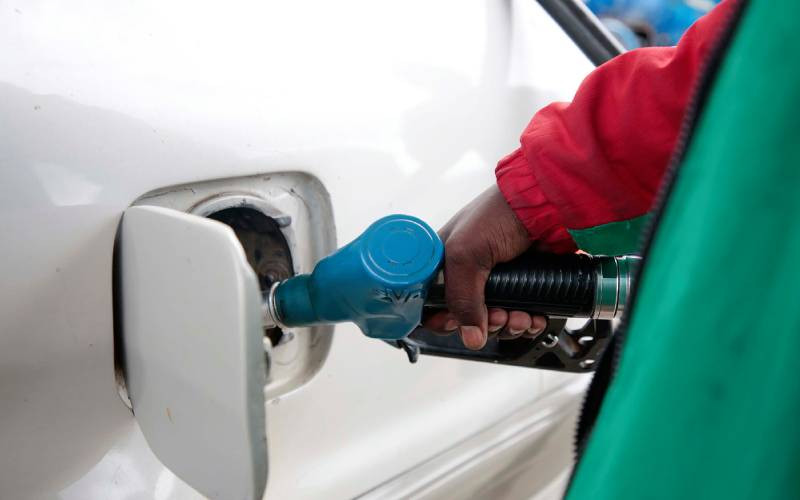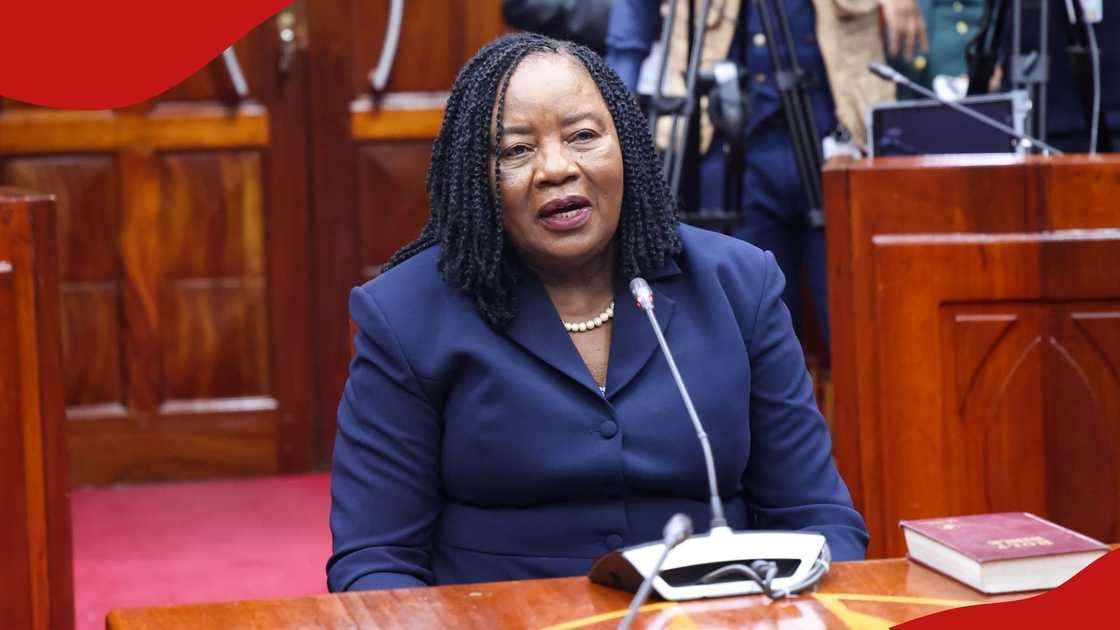




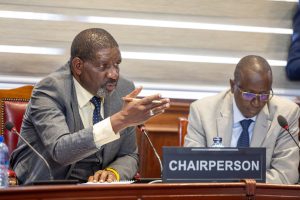
The National Assembly has intensified scrutiny of the country’s fuel security, with the National Assembly’s Departmental Committee on Energy questioning Energy and Petroleum Cabinet Secretary Opiyo Wandayi over reported shortages, procurement irregularities, and the impact of global tensions on supply.
The committee meeting, chaired by Nakuru Town East MP David Gikaria, took place against rising public concern over long queues at petrol stations and frequent “no fuel” notices.
Lawmakers linked the situation to anxiety surrounding the Israel-Iran conflict and its potential disruption of global oil supply chains.
A key flashpoint was a contaminated fuel consignment supplied by One Petroleum, which was found to contain excessive levels of manganese, sulphur, and benzene well above the Kenya Bureau of Standards’ limits.
Narok East MP and Committee vice Chair Lemaken Aramat demanded accountability for any financial loss incurred.
“Tell us whether the country has incurred any losses in this case and who should bear the cost of that loss,” Aramat pressed.
Wandayi assured the committee that the consignment had been excluded from the monthly pump price computation, preventing a significant price spike.
“If that consignment had been factored in, prices would have risen by fourteen shillings per litre,” he said.
The CS further distanced the shipment from the Government-to-Government (G2G) procurement framework, noting it lacked his formal approval.
He defended the G-to-G model anchored on partnerships with international oil firms as the most stable and flexible system for safeguarding supply.
Garissa Woman Representative Amina Udgoon, however, raised concerns over transparency in the fuel procurement and pricing structure, calling for full disclosure of all pre-qualified suppliers.
“Fuel is not just a commodity; it is the backbone of our economy, and any opacity in its procurement, pricing, and quality control is not just mismanagement but negligence,” she argued.
Gem MP Elisha Odhiambo highlighted the disproportionate burden of shortages on low-income earners.
“What is the state of fuel today, and how are we safeguarding the interests of all Kenyans irrespective of their position in society?” he posed.
While the Ministry reported healthy national reserves of over 183,000 cubic metres of petrol and 132,000 cubic metres of diesel, Embakasi South MP Julius Mawathe dismissed the figures as inconsistent with realities on the ground.
“You can give us assurances here, but the truth is what we are seeing on the ground. We don’t have fuel,” he said.
Wandayi attributed the shortages to panic buying and hoarding by retailers anticipating price increases, revealing that the Energy and Petroleum Regulatory Authority (EPRA) had issued 25 show cause letters to non-compliant firms and vowed a crackdown.
The committee also revisited calls for local refining capacity, with Aramat suggesting it could enhance quality control.
Wandayi termed the proposal a commercial decision but disclosed ongoing efforts to facilitate Kenya’s first commercial crude oil export before year-end.
Gikaria said the committee would review submissions and consider an inspection visit to Kenya Pipeline Company facilities to verify stock levels.
By Joseph Ng’ang’a