





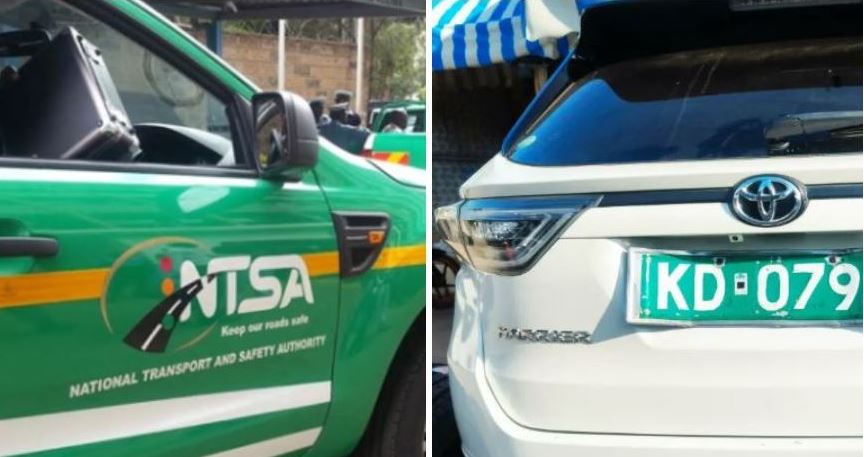
 The National Transport and Safety Authority (NTSA) has introduced new controls on dealer registration plates, popularly known as KD plates, to curb widespread misuse and tighten road safety enforcement. The transport regulator notes that these measures align with Section 24 of the Traffic Act, which regulates how dealers use general licenses.
Under the new guidelines, NTSA Director General Nashon Kondiwa requires motor vehicle dealers to settle specific annual fees to remain compliant. New vehicle dealers will pay Sh9,600, while those dealing in second-hand cars must pay Sh4,200. The authority has set the cost for new KD plates at Sh18,500, with renewals priced at Sh6,300.
“The Authority, in undertaking its mandate, has implemented Section 24 of the Traffic Act that provides for the use of a dealer’s general license,” Kondiwa stated.
The director general clarified that KD plates cannot serve as a temporary substitute for standard registration numbers, even when a motorist faces delays in receiving permanent plates. Instead, the law restricts their application to specific activities, such as vehicle testing or the transfer of units by licensed dealers.
“A KD plate is not a substitute for a standard motor vehicle registration plate. Its use is strictly governed by the law,” Kondiwa said, noting that the current legislation provides a clear framework for both permitted uses and legal prohibitions.
Some dealers have expressed concern that stricter enforcement could hinder vehicle movement across the country. However, the NTSA dismissed fears of a potential logistics crisis, assuring the public that it holds a sufficient stock of KD plates.
“The Authority has adequate number of KD plates and dealers can apply for them via their accounts,” Nashon Kondiwa stated, while encouraging stakeholders to reach out should they encounter any specific challenges.
Regarding insurance, the regulator reminded the industry that every vehicle operating on public roads must carry at least third-party insurance, as mandated by the Insurance (Motor Vehicle Third Party Risks) Act. This legal requirement ensures that all motorists have basic coverage against liabilities involving other road users.
“The minimum legal requirement for all motor vehicles on public roads is third-party insurance,” Kondiwa added. “No vehicle can be used or permitted to be used on a road without a valid policy covering third-party risks.”
The regulator further cautioned motorists against the use of improvised number plates, such as printed paper or cardboard, while awaiting official registration. The agency pointed out that the Traffic Act contains no provisions for makeshift displays and urged vehicle owners to collect their permanent plates immediately after receiving notification.
“There is no provision for the use of printed papers, cardboard, or makeshift displays in the Traffic Act,” the NTSA stated.
This crackdown belongs to a wider government initiative to modernize vehicle registration and tighten road safety compliance nationwide. By enforcing these standards, the authority aims to eliminate loopholes that allow unregistered or untraceable vehicles to operate on public highways.