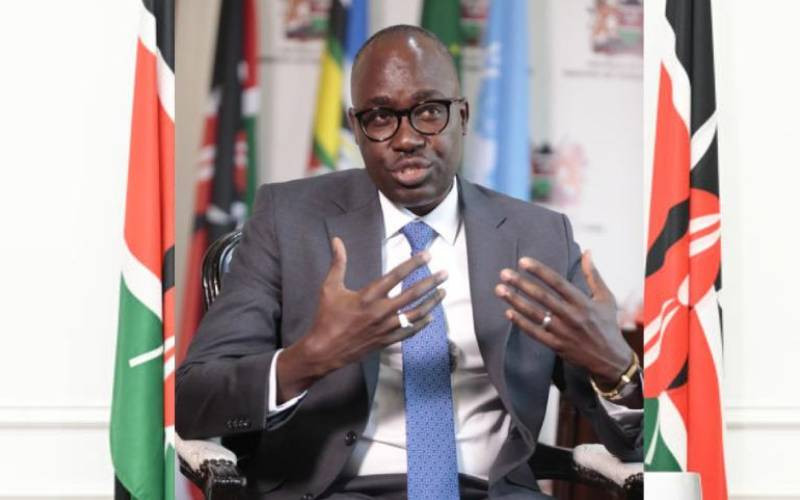







Kenya could transition to reviewing fuel prices every two weeks instead of the current monthly schedule during global emergencies if a new proposal by Rongo MP Paul Abuor succeeds. The lawmaker is seeking to amend the Petroleum Act of 2019 to allow for faster price reductions when international markets stabilize.
Abuor argues that geopolitical tensions, specifically risks to the Strait of Hormuz driven by the Iran–USA conflict, have made global fuel markets dangerously volatile. He noted that while international price spikes hit Kenyan pockets almost instantly, consumers often wait too long to feel the relief when global costs eventually drop.
Under the current law, the Energy and Petroleum Regulatory Authority (EPRA) only reviews prices every 30 days. Abuor contends that this rigid cycle creates a lag that prevents lower global prices from reaching the public quickly. To fix this, he is proposing a two-step legislative shift:
- Emergency Declarations: Grant the Energy Cabinet Secretary, in consultation with EPRA, the power to declare an “emergency pricing period” when global disruptions occur.
- Fortnightly Reviews: Allow for fuel price adjustments every 14 days during these declared emergencies.
The lawmaker believes this change will ensure that Kenyans benefit from market dips in real-time rather than waiting an entire month for a policy update.
Abuor explained that during these critical windows, the 14-day review cycle would replace the standard monthly wait. Crucially, Abuor designed the proposal to favor the consumer; any mid-cycle adjustments would only permit prices to drop or stay the same. Under this rule, the regulator could not hike prices until the next full scheduled review.
“We are trying to put in a mechanism where when prices drop, consumers can get immediate benefit,” he said.
Abuor clarified that these changes do not introduce price controls. Instead, the move focuses on improving the timing within the current regulatory framework. He assured stakeholders that the existing pricing formula – which factors in landed costs, stock levels, and supply chain stability – remains untouched.
The MP believes this reform will modernize the way Kenya handles market shocks, ensuring that households and businesses feel financial relief the moment global markets cool down. By increasing the frequency of these checks, he aims to create a fairer, more transparent system that protects the public from unnecessary delays in price drops.
The Rongo MP has already submitted his proposal to the Clerk of the National Assembly for formal consideration. To ensure the plan is both practical and effective, he has scheduled a series of consultative meetings with the Energy Cabinet Secretary, EPRA officials, and key industry stakeholders, including oil marketers.
Abuor pointed to the most recent EPRA review on April 14, 2026, which saw petrol and diesel prices spike to record highs of KSh 206.97 and KSh 206.84, respectively, as a prime example of the system’s limitations. Under the current rules, the next update will not occur until May 14.
The lawmaker argued that if global oil prices drop significantly before that date, forcing Kenyans to wait an entire month for relief is fundamentally unfair. By shortening the review window, he believes the government can pass on savings much faster during these periods of extreme market volatility.