


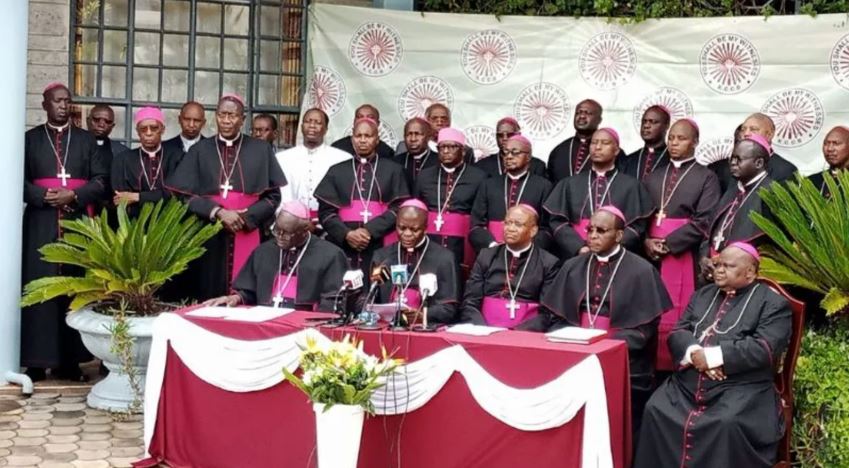
 The Kenya Conference of Catholic Bishops (KCCB) has raised alarm over a growing disregard for human life, warning that the country risks sliding into a dangerous culture of violence, human trafficking, and political intolerance.
In a pastoral message titled “Protect Life and Prosper,” issued on April 16, 2026, the clerics cautioned that without urgent action from both the government and citizens, systemic corruption will continue to erode the nation’s moral fabric.
The bishops expressed concern over what they described as rising insensitivity to death among Kenyans. They cited the Shakahola cult tragedy and recent killings in the Rift Valley as signs of a society increasingly normalizing violence. They noted that many victims, especially from vulnerable backgrounds, are often forgotten before justice is served.
“We seem to have become insensitive to killing. People are dying and we are moving on like nothing happened,” the bishops stated, calling for accountability for unresolved deaths.
They also flagged the rise in human trafficking, urging authorities to dismantle criminal networks and protect vulnerable citizens from exploitation.
Turning to politics, the clergy criticized leaders for fueling instability through goonism and public insults. They warned that the disruption of public meetings, community gatherings, and even religious events by hired gangs undermines national unity and sets a dangerous precedent for young people.
“We are appalled by the patronage culture that promotes goonism. This culture can only thrive if protected by their masters. It is happening in sight of law enforcement officers,” the statement read.
The bishops reminded leaders that public office is a responsibility to serve, not an entitlement to power. They urged politicians to maintain dignity, treat opponents with respect, and avoid turning religious platforms into political arenas. They cautioned that the normalization of political hostility risks shaping a generation exposed to intolerance and lawlessness.
Addressing road safety, the bishops linked rising fatalities to reckless driving, weak enforcement, and corruption. They challenged passengers to take responsibility for their safety by avoiding dangerous vehicles and called on police to end bribery that compromises enforcement.
The clergy also highlighted mounting pressure across social sectors. They revealed that Catholic-run health facilities are owed Ksh5.7 billion by the government, including Ksh3.3 billion in arrears from the defunct NHIF, a situation that continues to strain mission hospitals.
They raised concerns about the transition to the Social Health Authority (SHA), describing it as poorly executed and noting that it is “not working seamlessly.” They called for urgent reforms to address service delivery gaps.
In education, the bishops criticized the Competency-Based Curriculum (CBC), saying it imposes high costs on families and was introduced without adequate preparation. They urged the Ministry of Education to form a review team and warned against subjecting learners to what they termed an “experimental” system. They also cautioned against efforts to sideline sponsors, saying such moves could weaken long-standing support structures in schools.
On corruption, the bishops said greed and graft have become entrenched, with little indication of strong political will to address the problem. They cited an alleged attempt to dispossess Catholic sisters of land in Karen as an example of ongoing challenges in protecting property rights.
The clerics also addressed family stability, pointing to delays in civil registration, including slow clearance processes and a shortage of marriage certificates, which they said discourage couples from formalising unions.
Finally, the bishops called for prayers for peace in the Middle East amid ongoing conflict, warning that global instability carries economic consequences and urging the government to cushion the country from its effects.