





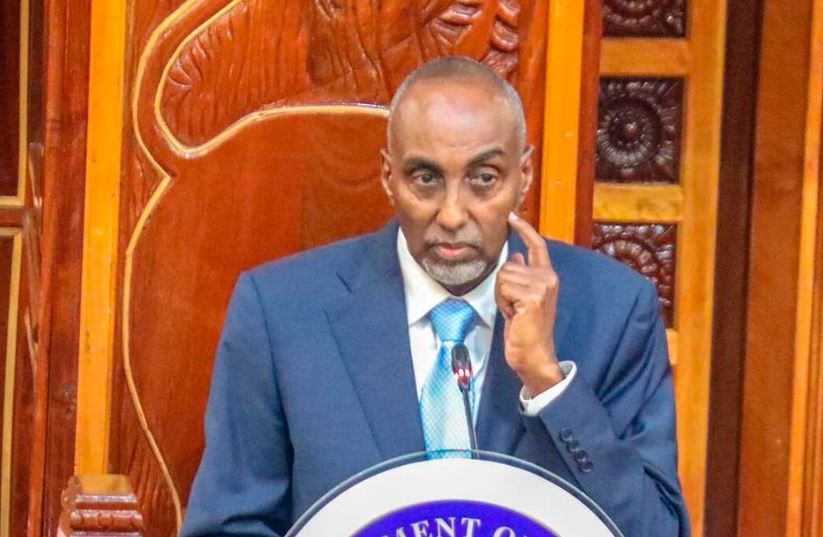
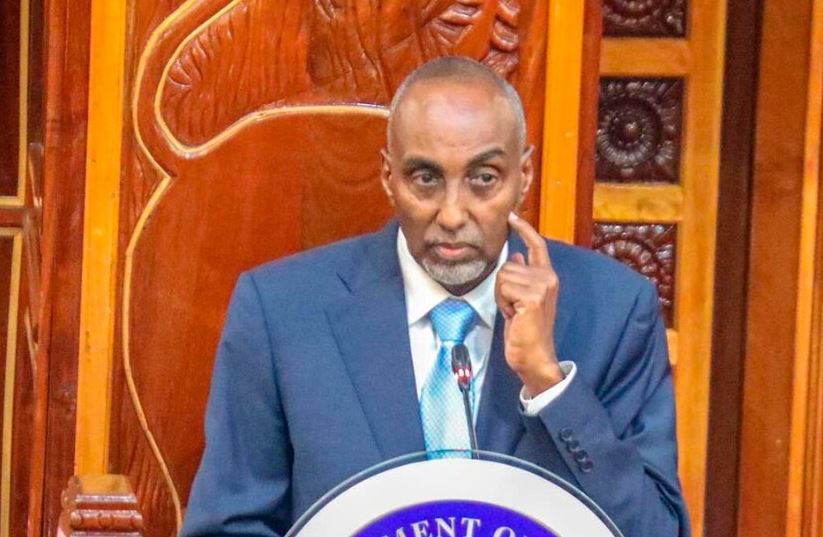
The Ethics and Anti-Corruption Commission (EACC) is reporting significant progress in combating public sector theft, but its top official warns that prosecutions alone are insufficient.
Speaking at an anti-corruption workshop for media practitioners, EACC Chief Executive Officer Abdi A. Mohamud disclosed that the commission achieved a 72% conviction rate over the past two years – a figure the agency says reflects meaningful progress in holding corrupt officials to account. On top of that, the EACC secured the return of at least Sh7.8 billion in misappropriated public funds during the same period.
By any measure, those are significant wins. But they come with a sobering asterisk.
The Numbers Tell Two Stories
Even as recoveries and convictions climbed, corruption continued bleeding Kenya’s public coffers at an alarming rate. Mohamud revealed that graft drained approximately Sh10.74 billion from public resources over the last two years alone – meaning the country lost nearly Sh3 billion more than it managed to recover.
That gap tells the story of a system still struggling to keep pace. “The steady rise in graft suggests significant gaps in the country’s current strategy,” Mohamud noted, acknowledging that enforcement, no matter how effective, cannot outrun the problem on its own.
Why Prevention Must Lead the Fight
The EACC chief used the workshop to make a pointed case for shifting Kenya’s anti-corruption strategy upstream. Rather than relying solely on investigations and prosecutions after the damage is done, Mohamud called for an urgent pivot toward prevention targeting the structural conditions that make corruption possible in the first place.
Central to that argument is digitization. Mohamud pointed to the adoption of digital systems across government services as one of the most effective tools available, arguing that moving services online has already delivered tangible results. By reducing the need for direct human contact between citizens and public officials, digital platforms close off the informal, face-to-face moments where bribery most commonly takes root.
The logic is straightforward: fewer opportunities for corrupt transactions means fewer corrupt transactions. Transparency rises not because individuals suddenly become more ethical but because the system itself leaves less room for misconduct.
Mohamud also threw down the gauntlet to journalists, urging the media to take a more proactive role in driving public accountability by educating citizens, exposing wrongdoing, and keeping pressure on institutions to remain transparent.
His message was unequivocal: the battle against corruption cannot be solely the responsibility of any one agency. It demands a unified effort from every corner of society: the government, civil society, the private sector, and the press.
The Road Ahead
The EACC’s two-year record shows that Kenya’s anti-corruption machinery is capable of delivering results. A 72% conviction rate and billions recovered are not trivial achievements. However, as Mohamud clearly stated, these results are not yet progressing at a sufficient pace.
The commission’s position is that Kenya must pair its active investigations with serious, systemic preventive reforms such as digitizing services, closing loopholes, and rebuilding public trust from the ground up. Only by treating prevention as a priority alongside prosecution, he believes, can the country genuinely begin to turn the tide against financial misconduct.
For now, the scoreboard remains uncomfortable: Kenya is recovering billions, but losing more than it gets back.