



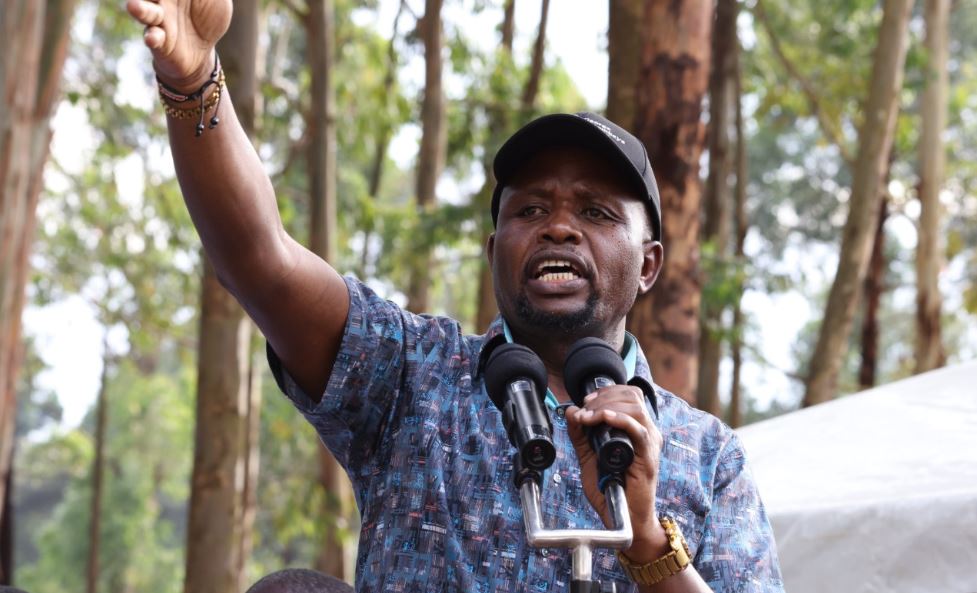
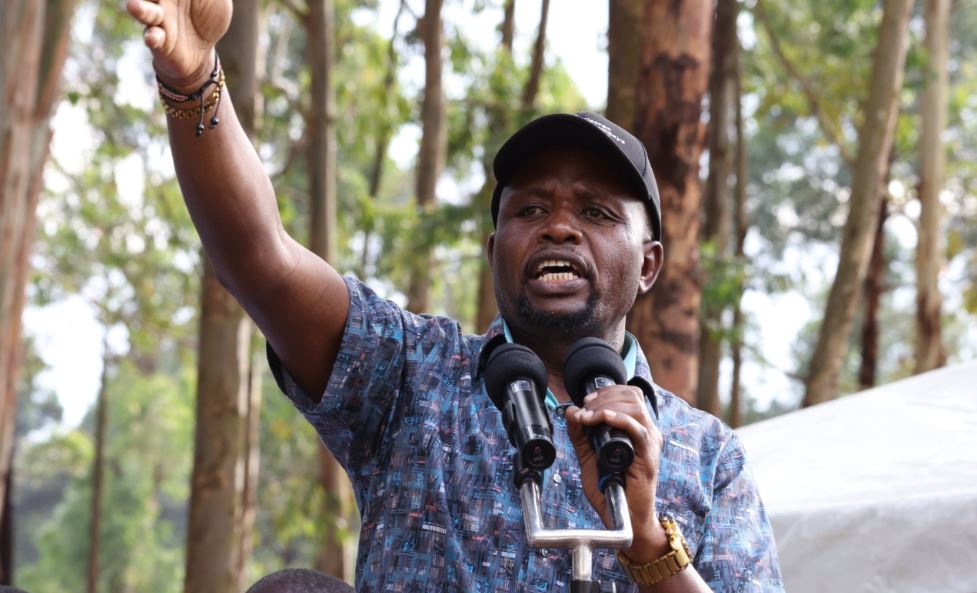
 Trans Nzoia Governor George Natembeya has added his voice to the growing chorus of condemnation following EPRA’s latest fuel price review.
In a sharp critique shared on Wednesday, April 15, 2026, Natembeya characterized the surge in petrol and diesel prices as a “direct attack” on the Kenyan people. He rejected the narrative that external global pressures alone dictate these costs, pointing instead to a combination of internal policy blunders and administrative oversight.
“Kenyans have once again been hit with a painful fuel price increase, pushing petrol and diesel beyond Ksh200 per litre in major towns. This is not just a number; it is a direct attack on the cost of living,” Natembeya said.
The governor argued that while the administration frequently cites international conflicts and market shifts as the culprits, structural inefficiencies at home play an equally damaging role. He specifically targeted the heavy tax regime and the lack of strategic foresight within the energy sector as primary drivers of the current crisis.
“While the government blames global oil prices and international conflicts, the truth is that poor policy decisions, excessive taxation, and lack of proper planning have made the situation worse.”
Natembeya further highlighted the disproportionate weight of taxes and levies within the final pump price, describing them as an unjust burden on the average consumer. He noted that even when global conditions fluctuate, the domestic tax structure keeps prices artificially high.
Additionally, he raised concerns over the nation’s lack of sufficient strategic fuel reserves, a failure he believes leaves Kenya dangerously vulnerable to foreign economic shocks. Without these buffers, he argued, the government has essentially left citizens to face the full force of a volatile global market without any local protection.
Governor Natembeya also turned his attention to the Petroleum Development Levy, arguing that the government has mismanaged and overextended the fund. He noted that this mismanagement defeats the levy’s primary purpose: serving as a financial buffer to protect consumers from sudden price surges.
Beyond the levy, he pointed to a long history of transparency issues within the energy sector, citing irregular procurement procedures and administrative failures as urgent areas in need of reform.
The governor warned that these fuel hikes trigger a devastating domino effect across the entire economy. As the cost of transport, food, and electricity climbs, the burden falls hardest on small-scale traders, farmers, and boda boda operators. Natembeya laid out the situation plainly, insisting on a shift toward accountability to save the crumbling domestic economy.
He wrote, “Let us state the facts:
-
Taxes and levies still form a significant portion of every litre of fuel Kenyans buy. Even with minor VAT adjustments, the government continues to overburden citizens.
-
Kenya lacks adequate strategic fuel reserves, leaving the country exposed to global shocks. This is a failure of long-term energy planning.
-
The Petroleum Development Levy, which was meant to cushion Kenyans, has been inconsistently managed and repeatedly strained.
-
There have been serious allegations of mismanagement and irregular procurement in the energy sector, raising concerns about transparency and accountability.”
Natembeya concluded his statement with a sharp demand for structural reforms, insisting the current administration stop hiding behind international excuses and start addressing domestic failures. He called for an immediate reduction in fuel taxes and levies, alongside a full disclosure of how the government manages fuel procurement and stabilization funds.
To prevent future crises, the governor advocated for a comprehensive national energy security strategy and strict penalties for any officials found guilty of mismanagement or exploitation within the sector.
According to Natembeya, true leadership proves itself during a crisis—a test he believes the current government has failed. He maintained that the Kenyan people deserve a government that prioritizes their relief and honesty over administrative secrecy.
“As the opposition, we demand:
-
Immediate review and reduction of fuel-related taxes and levies.
-
Full transparency on fuel procurement and use of stabilization funds.
-
A long-term national energy security strategy to shield Kenyans from recurring shocks.
-
Accountability for any official found responsible for mismanagement or exploitation.
Leadership is tested in difficult times. This government has failed that test.
Kenyans deserve relief. Kenyans deserve honesty. Kenyans deserve better.”