




Audio By Vocalize

The government has warned that protests over record fuel prices will deepen an economic crisis, as Kenya recorded its steepest diesel increase in over two decades.
The Energy and Petroleum Regulatory Authority (EPRA) raised diesel by Sh40.30 to an all-time high of Sh206.84 per litre in Nairobi for the April 15 to May 14 cycle, surpassing the previous record single-month jump of Sh25 set in September 2022 by 61 per cent. Petrol rose from Sh28.69 to Sh206.97.
The warning came even as protesters took to the streets in Nairobi on Tuesday.
Three demonstrators were arrested near the Kenya National Archives as police and protesters clashed, with the trio chanting anti-government slogans at the foot of the Tom Mboya statue before officers bundled them into a police van.
At least 11 people were taken into custody in total as anti-riot police confronted and dispersed groups attempting to march towards the city centre.
Morning rains dampened turnout, leaving only scattered pockets of demonstrators as businesses and traffic flowed largely normally within the central business district (CBD).
The government said the country lost approximately Sh6 billion during previous demonstrations, according to Kenya Revenue Authority (KRA) figures, warning that anyone calling for further protests risks plunging the country into a fourth economic crisis and ultimately harming the very youths they claim to represent.
The primary trigger for the hikes was escalating geopolitical tensions in the Middle East following strikes on Iran on February 28, 2026, which sent Brent crude above $100 per barrel and caused tanker insurance premiums to spike.
The average landed cost of diesel surged 68.72 per cent between February and March 2026.
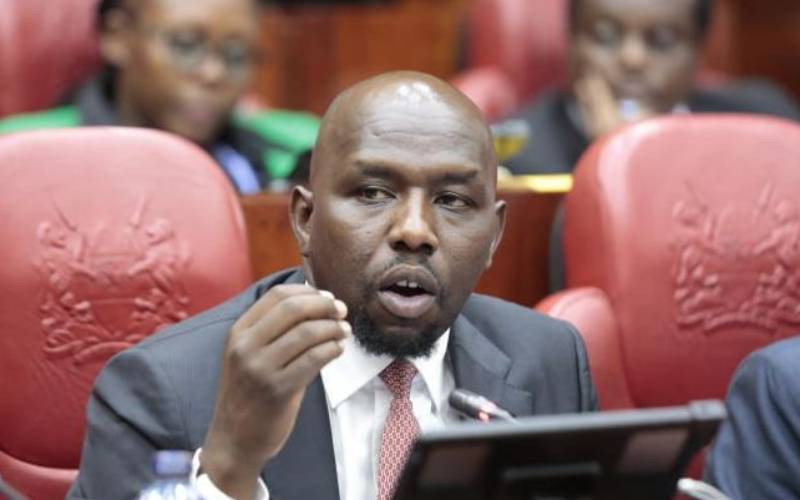
In his statement, Mwaura attributed the crisis to external forces rather than domestic policy failures and defended the government’s Government-to-Government (G2G) fuel procurement model.
“There are vested interests and cartels in the fuel import sector that oppose the G2G arrangements, as they disrupt their middleman roles. The government remains committed to combating corruption and ensuring transparency in the oil sector,” said Mwaura.
The government cut value-added tax (VAT) on petroleum products from 16 per cent to 13 per cent and deployed approximately Sh6.2 billion from the Petroleum Development Levy (PDL) Fund to stabilise prices.
Without the interventions, oil marketers had projected petrol could have risen by up to Sh37 per litre and diesel by as much as Sh70.
A day after the initial hike, Treasury Cabinet Secretary John Mbadi further reduced VAT on petroleum products from 13 per cent to 8 per cent following widespread public outrage, prompting EPRA to revise petrol down by Sh9.37 and diesel by Sh10.21 per litre.
Stay informed. Subscribe to our newsletter