



 The latest fuel price review by the Energy and Petroleum Regulatory Authority (EPRA) for the April–May 2026 cycle has sent shockwaves across the country, sparking intense backlash from both the public and political figures.
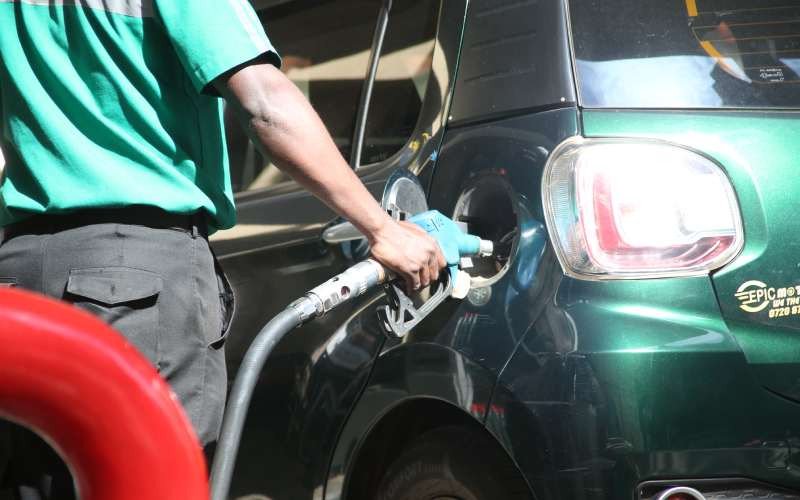
Released on Tuesday, April 14, 2026, the new schedule significantly raises the cost of living by hiking the price of super petrol by Ksh28.69 per liter and diesel by a staggering Ksh40.30 per liter. While the price of kerosene remains steady, the sharp increases for other fuels signal a difficult month ahead for a nation already grappling with financial pressure.
Under these new rates, motorists in Nairobi will pay Ksh206.97 for super petrol and Ksh206.84 for diesel, while kerosene stays at Ksh152.78. These prices will remain in effect for the next 30 days, forcing households and businesses to brace for an immediate spike in transport and production costs. As citizens scramble to adjust their budgets, opposition leaders have seized on the announcement to lambast the government’s economic policies.
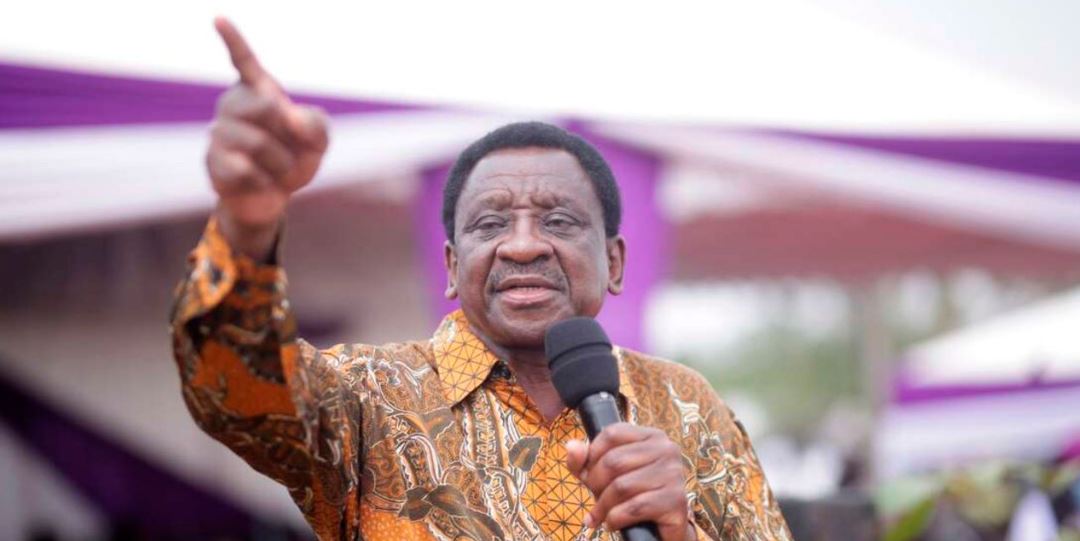
Siaya Governor James Orengo emerged as one of the most vocal critics, taking to social media to demand transparency from the regulator. He tied the price hike to recent concerns over fuel quality, painting a grim picture of the current state of the energy sector.
“The current economic landscape isn’t just a challenge; it’s a masterclass in gaslighting the Kenyan taxpayer. Yesterday, EPRA didn’t just hike fuel prices they insulted our collective intelligence,” Orengo wrote on X on Wednesday.
He went on: “After weeks of motorists playing Russian Roulette with contaminated “fake fuel” and praying their engines wouldn’t knock, our reward for that anxiety is a higher bill at the pump. It is a cruel irony to be warned about bad fuel while being forced to pay a premium for the privilege of taking that risk. Whether you are behind the wheel, squeezed into a matatu, or sitting at home watching the price of basic commodities rise alongside transport costs, the message is clear: in this economy, the citizen is not meant to win.”
Governor Orengo demanded that EPRA release the complete Cost of Service Study immediately, demanding a clear explanation for the logic behind recent phased margin changes in fuel prices. He challenged the regulator’s lack of transparency, questioning why a document with such a profound impact on transport and commodity costs does not receive the same public scrutiny or stakeholder engagement as electricity tariffs.
“EPRA must immediately publish the full Cost of Service Study and explain the rationale behind these phased margin revisions that are being implemented in total darkness,” he demanded.
The governor argued that the current management style excludes the very people it serves, creating a disconnect between regulatory decisions and the reality of the Kenyan taxpayer.
“If electricity tariffs require public participation and stakeholder input, then the lifeblood of our transport sector should not be managed behind closed doors. We are being asked to fund a system that has completely forgotten the person on the ground, leaving us to wonder how we are supposed to thrive when we are constantly undermined by the very institutions meant to regulate our markets.”
Beyond the pricing structure, Orengo pointed out that these hikes hit motorists at a moment of peak vulnerability. Drivers are already navigating a wave of anxiety regarding fuel quality, following widespread reports of contaminated or substandard petroleum across various regions. He characterized these systemic failures as a broader leadership crisis within Kenya’s petroleum sector, where opaque decision-making repeatedly leaves citizens as the primary victims.
The Governor further warned that the current price-setting model has retreated into a “shade of secrecy,” dominated by industry players with self-serving interests. He argued that this lack of oversight fuels a destructive cycle of artificial inflation and operational inefficiencies, which ultimately cripples economic productivity and burdens the consumer.
To remedy these issues, Orengo proposed a shift toward a more competitive petroleum market. He advocated for market-based pricing mechanisms, suggesting that healthy competition would serve consumers far better than centrally mandated margins. By prioritizing administrative control over market dynamics, he argued, the government has sacrificed accountability. He concluded by urging policymakers to choose transparency over secrecy, insisting that competition is the only sustainable way to protect Kenyans from unwarranted price hikes and the suffocating rise in the cost of living.
“The frustration has reached a boiling point, and the only way forward is to demand transparency over opacity and competition over administrative control,” Orengo concluded.