





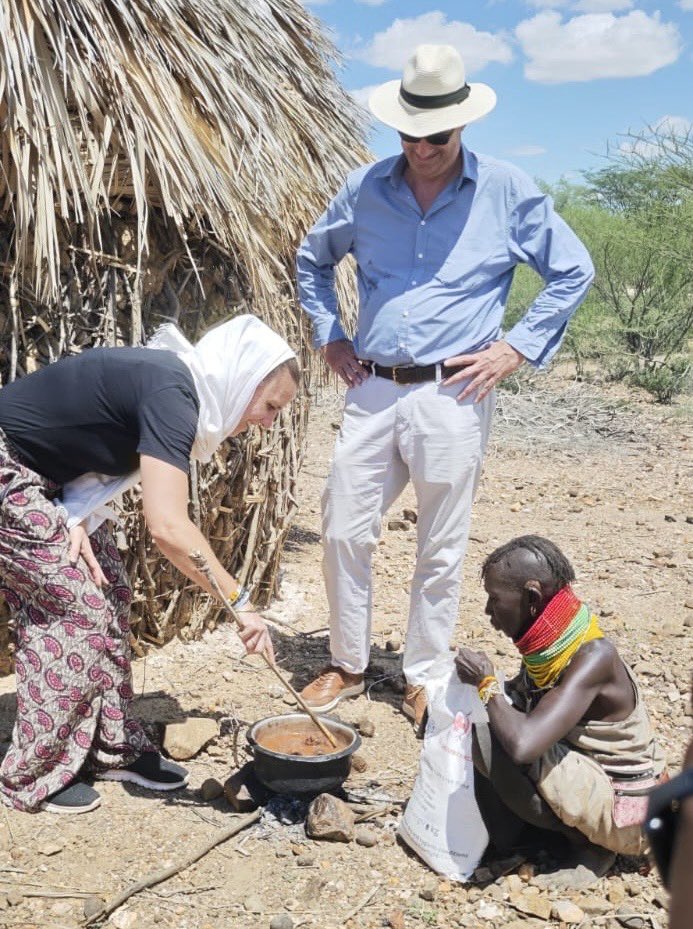
Turkana County continues to face an escalating drought, with families resorting to boiling wild fruit to survive.
The hunger crisis is pushing communities to the brink, with many lives at risk due to concerns over the safety of some wild edible plants, which could be toxic.
With danger lurking, some families are relying on traditional knowledge that involves an intensive boiling process that sometimes taking up to 24 hours to ensure the food they consume is safe.
A visit by the Netherlands Ambassador to Kenya, Henk Jan Bakker, in the company of the Kenya Red Cross, brought to light the severity of food insecurity, which has also affected Kenya’s arid and semi-arid lands (ASALs).
With water sources drying up, livestock lost, and food scarce, the situation has not improved and risks worsening without urgent support.
The envoy, who visited the area, came face-to-face with the impact of drought and aid cuts that have pushed people in Turkana to extreme need, even as the government, with support from partners, continues to provide the much-needed life-saving assistance.
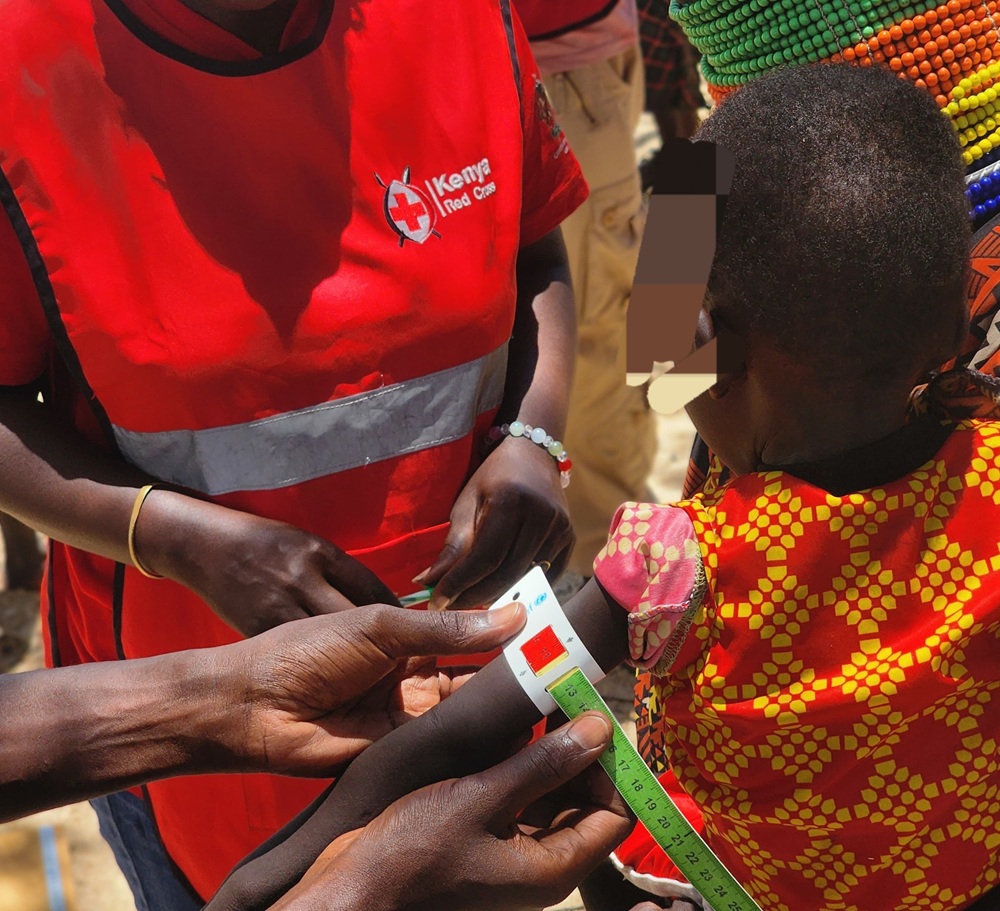
In one village in Loima, out of 100 children screened, 80 were found to have moderate acute malnutrition and 20 severe acute malnutrition, a stark indication of the crisis.
As of February 2026, an estimated 3.3 million people across the 23 ASAL counties are faced with lack of food.
The situation is expected to deteriorate further in the coming months, according to Cabinet Secretary for East African Community Affairs, Arid and Semi-Arid Lands (ASALs), and Regional Development, Beatrice Askul.
Projections indicate that the number of food-insecure people could rise to approximately 3.68 million by June 2026, a significant increase within a four-month period.
Data from the National Drought Management Authority (NDMA) further indicates that Turkana County continues to face escalating drought pressure following consecutive below-average rainfall seasons and is currently classified under the Alert drought stage with a worsening trend.
The prolonged dry spell has led to shrinking water sources, deteriorating rangeland conditions, declining livestock productivity, and rising food prices, leading to weakening household resilience across drought-affected areas.
The Global Acute Malnutrition (GAM) rate in Turkana County currently stands at 34.4% (Phase 4 – Critical), more than double the 15% global emergency threshold.
Projections further indicate that over 322,000 people will require scaled-up food assistance, with the situation unlikely to improve before the March–May 2026 rains.
“These findings are central to the discussions at the Special County Steering Group as stakeholders review urgent, multi-sector interventions to prevent further deterioration”, NDMA, which is implementing a series of drought response interventions, states.
The government is also working closely with county governments, development partners and humanitarian agencies to ensure that drought response efforts remain coordinated and responsive to the evolving humanitarian situation.
Drought classification
As of Feb, Mandera, Kilifi, Kwale, and Wajir remained in the Alarm phase, signaling heightened drought stress and the need for sustained response measures.
A further thirteen counties—Samburu, Baringo, Marsabit, Kitui, Taita Taveta, Kajiado, West Pokot, Garissa, Isiolo, Tana River, Turkana, Lamu, and Tharaka Nithi—were classified in the Alert phase, indicating emerging drought pressure and close monitoring requirements.
Laikipia and Narok were in the Pre-Alert phase, while Makueni, Nyeri, Embu, and Meru maintained Normal drought status.
NDMA said the phase classifications were informed by deviations in key environmental, production, access, and utilization indicators from their normal seasonal thresholds.
SOURCE: Kenya Red Cross