




 A fresh national survey from the Ethics and Anti-Corruption Commission (EACC) identifies police officers, civil registration officials, and transport regulators as the public servants most often involved in bribery. Released on April 9 during the launch of the National Gender and Corruption Survey 2025, the report sheds light on the daily hurdles ordinary citizens face when seeking essential government services across the country.
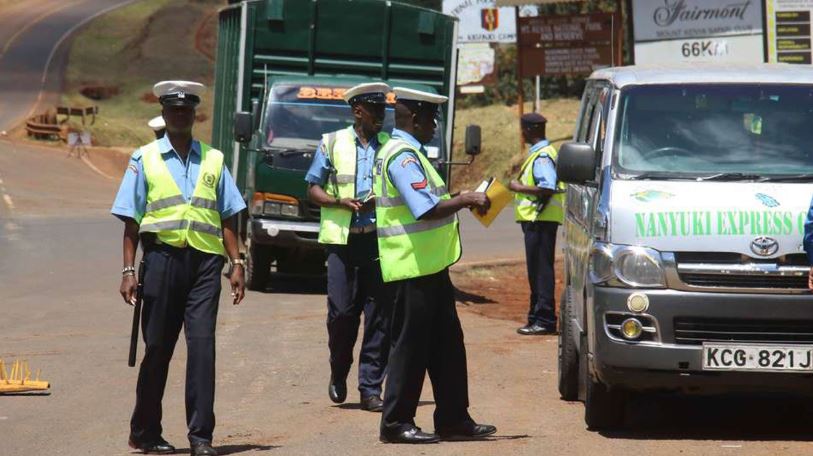
The data paints a sobering picture of the National Police Service, which emerged as the institution where service seekers pay bribes most frequently. According to the study, 35.5 percent of people interacting with the police in the year leading up to the survey reported giving a bribe. This figure places law enforcement at the top of a list of agencies where financial shortcuts often replace formal procedures.
Other departments also showed significant rates of corruption, with civil registration officials following closely at 30.0 percent. The National Transport and Safety Authority (NTSA) recorded a bribery rate of 25.4 percent, while land registry officers and registration of persons staff were cited at 23.3 percent and 21.2 percent, respectively. These statistics highlight a widespread pattern of “pay-to-play” dynamics within the very offices meant to serve the public interest.
The trail of corruption stretches into various other public sectors, with immigration officers recording a bribery rate of 18.2 percent and tax and revenue officials following at 13.1 percent. Within the corridors of justice, the survey implicated prosecutors at 11.7 percent and magistrates at 8.7 percent. Public utility workers and other unspecified civil servants also appear on the list, cited at 7.8 percent and 6.9 percent, respectively, while judges recorded a lower rate of 5.5 percent.
The EACC findings reveal that even essential social services and governance structures are not immune to these demands, though they reported comparatively lower frequencies. Health professionals, including doctors, nurses, and midwives, were cited at 4.8 percent. Meanwhile, the political sphere showed similar trends, with elected county representatives and other health workers both appearing at 2.4 percent.
At the lower end of the bribery spectrum, the survey identified public educators and national legislators. Teachers and lecturers in public institutions stood at 2.2 percent, while Members of Parliament and other legislators recorded a rate of 2.1 percent. While these figures represent the lower tier of the report, they demonstrate that corruption touches nearly every level of public interaction in the country.
A broad coalition of local and international organizations joined forces to produce this study, including the EACC, the UNODC Regional Office in Eastern Africa, the National Gender and Equality Commission, the Kenya National Bureau of Statistics, and Transparency International Kenya. This partnership aimed to capture a comprehensive view of how citizens navigate public service delivery across all 47 counties. To ensure accuracy, researchers conducted face-to-face interviews with adults using computer-assisted technology, gathering firsthand accounts of their experiences with government offices.
The research team reached a massive scale, targeting 22,005 households across 1,467 clusters nationwide. They based this distribution on the 2019 national census to ensure the data accurately reflected the country’s population. Ultimately, the team successfully contacted 21,941 households, with 16,858 completing the detailed interviews. This high participation rate provides a robust foundation for the survey’s conclusions.
Project officials believe these findings offer a vivid snapshot of how corruption permeates daily life, providing a roadmap for future reforms. They intend to use this data to drive improvements in transparency, accountability, and the way the government serves its people.
However, the report also serves as a stark reminder of how deeply bribery has embedded itself into routine administrative tasks, persisting even as civil society and state actors ramp up their anti-corruption campaigns.