



- The police have increased their search efforts against Johnson Sakaja after he failed to appear before the Senate County Public Accounts Committee (CPAC)
- Nairobi Regional Police Commander, Issa Mohamud, said the governor’s whereabouts are still unknown, warning that the operation will continue
- The tension stems from audit questions about Nairobi County’s finances, including concerns about excessive consultants and alleged procedural irregularities.
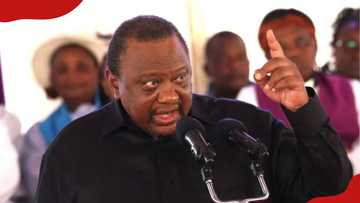
The police have increased their search efforts against the Nairobi governor Johnson after failing to appear before the Senate County Public Accounts Committee (CPAC).
The search, confirmed on Monday, March 30, has so far yielded no results, while the governor’s whereabouts remain unknown despite ongoing efforts.
Why are the police looking for Sakaja?
The Nairobi Regional Police Commander, Issa Mohamud, who spoke to journalists at Nairobi City Hall, emphasized that officers will not slow down their search.
Mohamud said Sakaja was expected to appear before the Senate committee but he failed to honor the summons, which led to enforcement measures being taken.
Also read
Kenyan newspapers: Oburu Oginga makes a strong statement about the alliance with UDA, he sets strict conditions
He warned that the operation will continue until the governor is found and brought before the committee, stressing Sakaja’s legal obligation to follow the instructions of Parliament.
“I am going to look for him. We are not giving up, and we will continue to look for him, and if he does not show himself by tomorrow morning, we may find him tonight,” said Mohamud.
The arrest warrant is based on instructions issued on March 25 by the Senate County Public Accounts Committee, headed by Homa Bay senator Moses Kajwang.
The committee directed Inspector General Douglas Kanja to arrest Sakaja and bring him before the parliamentarians by March 30.
The absence of the head of Nairobi County is linked to ongoing audit questions about the 2024/2025 financial year of Nairobi County.
Senators want answers on more than 30 issues identified by auditors, including concerns about hiring more consultants than the number allowed by law and allegations of irregularities in the management of solid waste funds.
Are other county governors facing similar measures?
This situation has increased the tension between the county governments and the Senate, with legislators showing a tougher position on accountability.
In addition to the KSh 500,000 fine and arrest warrant for contempt of Parliament, the committee has warned that continued defiance may lead to a proposal to declare the governor unfit to hold public office, a move that will be submitted to Independent Electoral and Boundaries Commission for further action.

Sakaja is not alone in this growing tension as Samburu governor Lati Lelelit is also wanted by the police for similar reasons, with both governors accused of ignoring several calls.
The action marks the Senate’s broader search against county leaders who do not meet the demands.
In total, at least 29 governors face the risk of being declared unfit to hold office as tensions continue to rise.
Among those under surveillance are Muthomi Njuki, Simba Arati, Ahmed Abdullahi, Fernandes Barasa, Gladys WangaErick Mutai and Joseph ole Lenku.
This deadlock is due to the boycott of the governors, who have refused to appear before the Senate oversight committees.
Through the Council of Governors, the county heads have accused some members of the oversight committees of corruption, insisting that the committees must be changed.
However, the Senate has rejected the boycott and continued with the implementation measures, describing the tension as a constitutional issue.
The MPs emphasize that appearing before the oversight committees is not optional but a legal obligation related to the responsibility of spending taxpayers’ money.
Source: TUKO.co.ke