




 The government has issued an urgent appeal to families with missing relatives following the devastating flash floods that swept through the capital over the weekend. Authorities are requesting those searching for loved ones to visit the Nairobi City Mortuary to assist in the identification process.
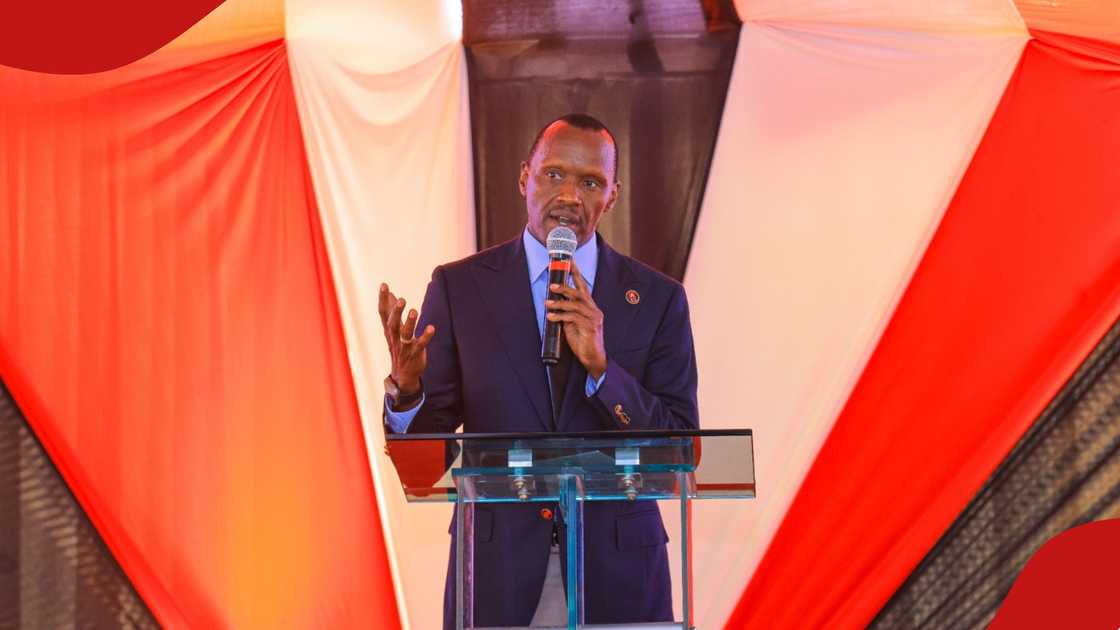
In a formal notice issued on Monday, March 9, Nairobi West County Commissioner Rose Chege confirmed that the facility currently holds 27 bodies that remain unidentified or unclaimed. Medical teams are already conducting post-mortems to establish the exact cause of death and verify official identities.
“Anyone who may be missing a relative or friend following the flash floods that hit Nairobi is advised to visit Nairobi City Mortuary to assist with identification,” Chege stated.
The Commissioner provided a grim breakdown of the victims currently at the facility.
“A total of 27 fatalities, including 22 males, 3 females, and 2 children, have currently been recorded pending identification and postmortem examination,” he added.
A City Under Water
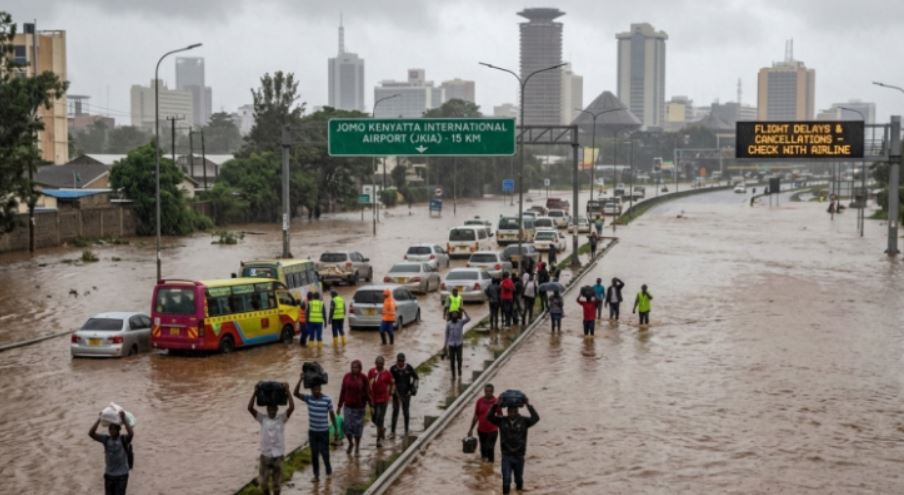
The tragedy follows a weekend of torrential rains that pounded Nairobi and surrounding areas, triggering massive runoff that paralyzed the city. The floods left a trail of destruction in their wake, destroying property, displacing thousands of families, and cutting off key transport arterial routes.
By Sunday evening, government records confirmed 42 deaths nationwide attributed to Friday’s storms. Nairobi remains the hardest-hit region, accounting for 26 of those fatalities.
National Disaster and the Sh25 Billion Gap
Nairobi Governor Johnson Sakaja has officially labeled the ongoing crisis a national disaster. Speaking during an interview with Citizen TV on Sunday, March 8, the governor pointed to the city’s aging infrastructure as a primary culprit. He estimated that a complete overhaul of Nairobi’s drainage network would require a staggering 25 billion shillings.
Sakaja explained that the county’s current budget falls short of what is required to manage a modern metropolis, especially one prone to climate-driven emergencies. He argued that the city needs at least 60 billion shillings annually to maintain public services, upgrade infrastructure, and respond to crises like the current deluge.
“I am not overwhelmed; I am under-resourced. Nairobi needs at least Ksh60 billion every year to address the challenges and development needs in a better way,” Sakaja said.
The governor reminded the public that Nairobi operates primarily as a service-oriented hub, relying on a massive workforce to function.
“Nairobi is a service city. We employ thousands of workers: doctors, cleaners, sweepers, and many other public servants who keep essential services running every day,” he added.
Looking Toward Recovery
Despite the somber atmosphere hanging over the capital, Sakaja expressed optimism regarding long-term solutions. He anticipates that the recently signed cooperation framework between the national government and the county will unlock an additional 80 billion shillings. This funding aims to accelerate critical infrastructure projects and modernize service delivery to prevent future catastrophes.