




- Kenya’s banking industry is controlled by a few “silent” billionaires who own millions of shares, reaping huge dividends
- Among them is the managing director of the Cooperative Bank, Gideon Muriuki, who continues to increase his stake in the lender
- Baloobhai Patel also stands as one of the most successful investors in Kenya, who has been making millions in the “buy and hold” strategy.
For the few “silent” bank shareholders, 2026 is shaping up to be a very profitable year.
Source: Getty Images
The real story is in the payment of dividends to individuals who own the largest shares, even if most Kenyans focus on corporate earnings.
TUKO.co.ke takes a look at the fortunes of banking professionals in Kenya in 2024/2025 and 2026, from Gideon Muriuki’s record double payout year to Baloobhai Patel’s multi-millions.
1. Gideon Muriuki, Cooperative Bank
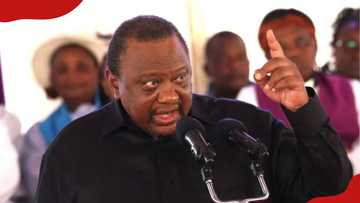
With Gideon Muriuki, the CEO of the Cooperative Bank, continuing to grow his ownership in the company, his personal wealth has increased rapidly.

According to the bank’s financial documents, Muriuki owns 134.9 million shares, or 2.30% of the company.
Muriuki received a final dividend of KSh1.50 per share at the end of the 2023 financial year, amounting to about KSh202 million.
In November 2025, Co-op Bank declared its first interim dividend of KSh1.00 per share, of which Muriuki received KSh134.9 million.
With the final dividend expected in April 2026, he is expected to earn about KSh 330 million in total payout for the current cycle.

Source: Twitter
2. Andrew Kimani – Equity Bank
Although James Mwangi featured, Andrew Kimani remains the unsung hero of Equity Group.
Kimani, who owns 2.3% of the bank, has benefited from Equity’s rapid regional expansion.
Equity paid Kimani approximately KSh 346 million in 2024, based on a dividend of KSh 4.00 per share.
In May 2025, shareholders approved an increased dividend of KSh 4.25 per share, increasing Kimani’s annual revenue to KSh 368.5 million.
3. Baloonhai Patel

When it comes to the “buy and hold” strategy, Baloobhai Patel is an expert.
Although they form a small part of his total NSE portfolio, his 99.7 million shares in the Co-operative Bank provide a large liquidity pool.
At KSh 1.50 per share, Patel received KSh 149.5 million from his Co-op Bank investment in 2024.
He earned KSh 99.7 million at the end of 2025 from an interim dividend of KSh 1.00.
His status as one of the most successful investors in Kenya is further enhanced by the estimate that his total payout from this one bank in 2026 will be around KSh 250 million.
4. Ndegwa Family – NCBA Bank
The NCBA group is controlled by the Ndegwa family, the Kenyatta family and other shareholders.
The bank’s digital governance through M-Shwari has impacted its revenue.
In 2024, NCBA paid KSh 4.75 per share in total. This resulted in a dividend of over KSh 900 million for the family that held an estimated 192 million shares, or about 12% of the total.

For the period 2024 (paid in 2025), the bank increased its total payment to KSh 5.50 per share.
As a result, the income of the family bank for the year exceeded KSh 1.05 billion.
However, the family’s fortunes will shift from bank dividends to huge capital gains payouts, perhaps the biggest the NSE has seen in a decade, if the Nedbank acquisition is successful.
5. Sarit Shah Family – I&M Bank
The Shah family remains the most influential shareholder in I&M Group.
The lender distributed a record KSh 3.85 per share (provisional and final) in 2024, giving the family a hefty dividend.
Family ownership of 60% of the bank ensures that they will remain the highest-earning “family unit” in Kenyan banking, although the company slightly revised its payout to KSh 3.20 per share in 2025 to fund regional acquisitions in the country Tanzania.
How much did Kenyan banks earn?
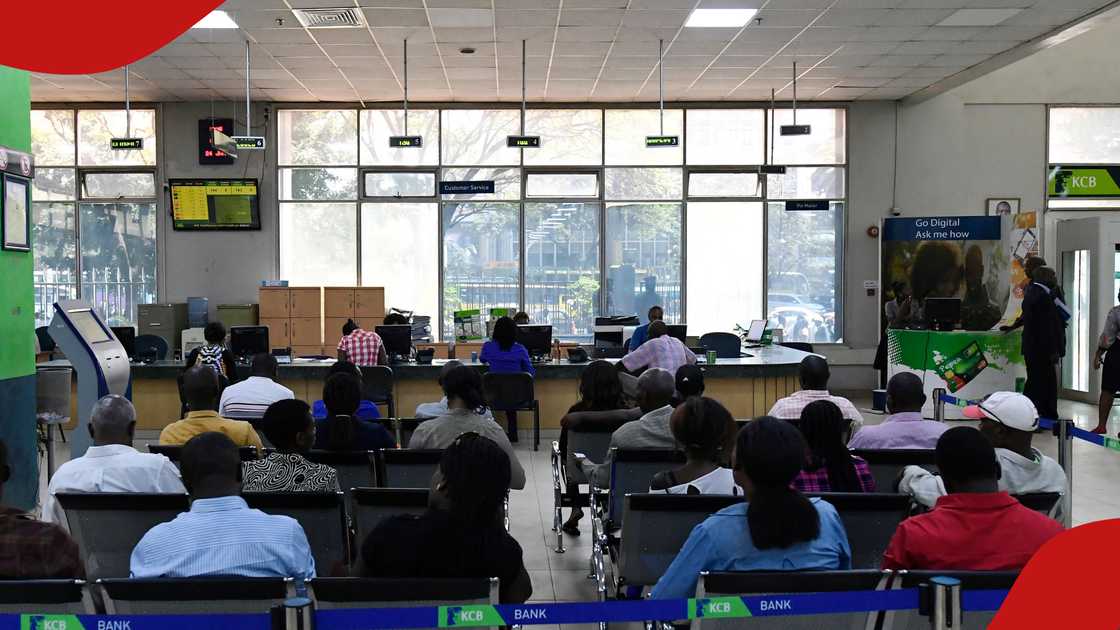
According to the Kenya Bankers Association’s 2025 report, Kenyan banks reported a profit of KSh 260.09 billion before tax in 2024.

With hundreds of billions in bad loans and a bad loan ratio of 16.4%, the industry faced mounting risks despite the gains.
The ability of borrowers to repay loans was affected by the economic downturn and disruptions from protest of the Finance Bill.
Read ENGLISH VERSION
Do you have an exciting story that you would like us to publish? Please contact us via news@tuko.co.ke or WhatsApp: 0732482690.
Source: TUKO.co.ke