





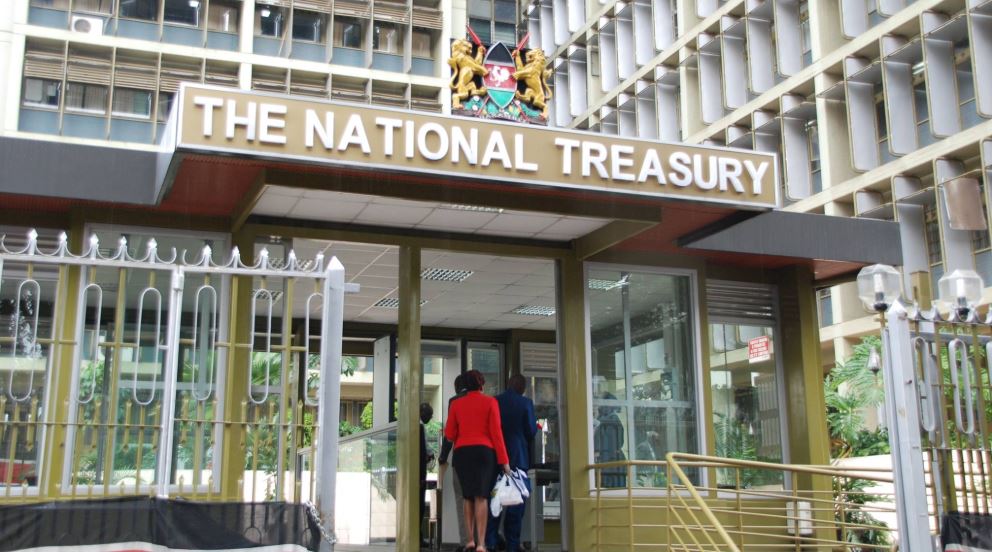
 The National Treasury has proposed a significant increase in funding for the Higher Education Loans Board (HELB), raising allocations from Sh41 billion to Sh58 billion in a move aimed at easing the financial strain on families and expanding access to higher education.
Treasury Cabinet Secretary John Mbadi made the announcement during a public engagement forum in Kiambu County, saying the proposed increase will go hand in hand with a major boost in scholarship funding. If approved, total government support for higher education students will rise to Sh92 billion in the 2026/27 financial year.
Mbadi said the proposals reflect direct feedback from students, noting that their concerns are already shaping key budget documents, including the Budget Policy Statement (BPS) and the upcoming national budget.
“Just to give you assurance and confidence that our engagement here is not an academic exercise, even before we progress further with the budget process, I can tell you that some of the feedback we are getting from engaging with students is already finding its way into our BPS and the budget for 2026/27,” Mbadi said.
He explained that funding challenges raised by students informed the decision to increase both loans and scholarships.
“Most of the concerns that students have raised regarding funding have led us to propose an enhancement of higher education loans from the current Sh41 billion to Sh58 billion in the next financial year,” he said.
In addition to higher loan allocations, Mbadi said scholarship funding will more than double, rising from Sh16 billion to about Sh34 billion.
“That means these two budget lines will move from around Sh57 billion to Sh92 billion,” he said, outlining the scale of the proposed investment.
According to the Treasury CS, the move signals a renewed commitment to making higher education more affordable and reducing the financial pressure on students and their families.
“This is a demonstration that we want to put more resources towards educating our youth and make education cheaper even at that level,” Mbadi said.
Mbadi also addressed concerns over capitation funding for secondary schools, agreeing that current allocations fall short of what students need.
“Even today’s papers have raised concerns that capitation is not adequate, and I agree. We have been underfunding our students in high schools, and this is something we are addressing, even with the constrained financial space that we have,” he said.
He noted that the proposed budget increases form part of wider reforms aimed at strengthening student financing mechanisms across the education sector.
“We have noted valuable feedback, including strengthening financial support for student funding. That is why we are talking about financing and reforming student loans,” Mbadi said.
The Treasury CS also highlighted ongoing changes in how higher education receives funding, with the government shifting toward a course-focused model designed to align financing with the actual cost of different programmes.
“We have reformed the way we fund higher education, learning from how it used to be, and we are now looking at course-focused funding,” he said.
The proposed allocations build on recent government efforts to support university and TVET students. In July 2025, the Ministry of Education increased HELB funding from Sh36 billion to Sh41 billion for the 2025/26 academic year.
At the time, Education Cabinet Secretary Julius Ogamba said, “To ensure no student is left behind, the Government increased HELB’s annual funding from Sh36 billion to Sh41 billion.”
The Ministry of Education has since confirmed that HELB and the Universities Fund have been disbursing funds to students and institutions under the Student-Centred Funding Model.
Mbadi said the government plans to expand these initiatives further in the 2026/27 budget, subject to parliamentary approval, as part of its broader strategy to widen access to education and support learners across the country.