






For many young Kenyans in their early 20s, the idea of saving money is less a financial goal and more a distant dream.
Despite pursuing higher education, engaging in side hustles, or working long hours in informal jobs, many youths are unable to accumulate even modest savings. This isn’t a matter of poor financial discipline; it is a reflection of deep systemic and economic challenges that make saving virtually impossible for this generation.
The first and most pressing barrier is youth unemployment and underemployment. According to the United Nations Development Programme (UNDP), Kenya has the worst job crisis in the region, with approximately 39.1 per cent of working-age Kenyans unemployed, a figure that significantly outpaces neighbouring countries such as Uganda and Tanzania.
The Kenya National Bureau of Statistics (KNBS) reports that unemployment among youth aged 20–24 stands at 16.8 per cent, double the national average. Even among those who have attained secondary or tertiary education, estimated at over 75 per cent, many remain stuck in informal or unstable employment.
Each year, an estimated 800,000 young people enter the job market, yet fewer than 100,000 formal jobs are created. In 2024, only 75,000 formal jobs were added to the economy, a sharp decline from 123,000 in 2023.
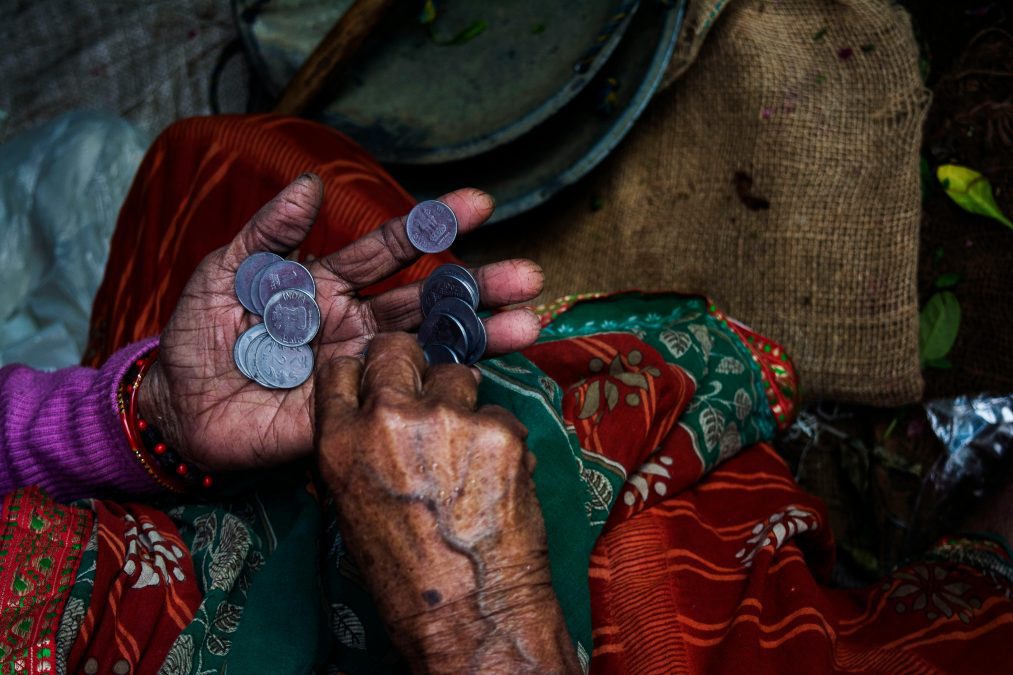
The overwhelming majority of young people are left to navigate Kenya’s vast informal sector, where jobs often come without stable pay, contracts, or benefits, making long-term financial planning incredibly difficult.
Compounding this is Kenya’s high dependency ratio. With around 28 to 35 per cent of the population aged 18–34 (roughly 15 million people), the burden on the few employed young people is enormous.
UNDP estimates that the national dependency ratio is approximately 75.4 per cent, meaning that for every 100 working-age Kenyans, there are more than 75 dependents, either children or elderly family members.
For a 22-year-old earning a modest income, this often means helping pay school fees for siblings, contributing to food and rent at home, and supporting ageing parents, leaving no room for savings.
Meanwhile, the cost of living continues to rise. Recent youth-led protests across Kenya were triggered by proposed tax increases, including the contentious housing levy, seen as disproportionately hurting low-income earners.
With food, transport, and rent prices steadily increasing, even modest wages are quickly swallowed up. Youth working informally lack access to health insurance or emergency savings, so any medical emergency or unexpected expense can wipe out months of earnings.

Financial independence
Even education, once considered the golden ticket to financial independence, no longer guarantees a stable income. Though the majority of Kenyan youth have at least a secondary education, many still struggle to find meaningful work.
A glaring mismatch exists between what schools teach and what the market demands. Employers increasingly require technical, digital, or vocational skills that Kenya’s education system does not sufficiently provide. Without work experience or access to training opportunities, young people often settle for poorly paid jobs or none at all.
In recent years, the government has launched initiatives like the Kenya Youth Employment and Opportunities Project (KYEOP), the Youth Enterprise Development Fund, and Ajira Digital to address youth unemployment. While commendable, these programmes reach only a fraction of the population.
KYEOP, for instance, has helped about 310,000 beneficiaries, yet this is a drop in the ocean compared to the annual influx of job seekers. The majority of youth remain without access to capital, mentorship, or formal credit systems to scale their businesses or even start one in the first place.
It is important to understand that only 10 per cent of Kenya’s workforce is employed in the formal sector, according to the World Bank. The rest operate in informal roles where income is irregular, seasonal, and insecure. This means savings require income surpluses, which are rare when survival is the priority.
Saving in your early 20s in Kenya is not just difficult; it is structurally discouraged. Between high unemployment, overwhelming family obligations, rising living costs, and a lack of formal opportunities, young Kenyans are not choosing not to save; they’re simply unable to. Without bold reforms in job creation, education, and financial inclusion, saving will remain a privilege that only a small few can afford.
This isn’t about individual choices or laziness. It’s about the broader systems that have failed to prepare and support a generation. Until these systems are fixed, the financial dreams of Kenya’s youth will remain postponed and, for many, permanently deferred.