






In recent days, police stations have become the unlikely symbols of public rage. From Kinangop to Dagoretti and, most recently, Mawego in Homa Bay County, flames have replaced silence as frustrated citizens torch law enforcement posts in protest.
The latest came on July 3, 2025, when residents set Mawego Police Station ablaze following the death of 31-year-old teacher and blogger Albert Ojwang’ while in custody.
Behind every fire is a message that trust in Kenya’s police is not just fading, it’s on the verge of collapse.
Justice on fire
What we’re witnessing is not lawlessness, it’s backlash. As the nation reels from wave after wave of police brutality, public anger has spilled over.
The fire in Mawego is part of a growing list: Ndunyu Njeru in Kinangop was torched after a boda boda rider was shot during a protest over cattle theft.
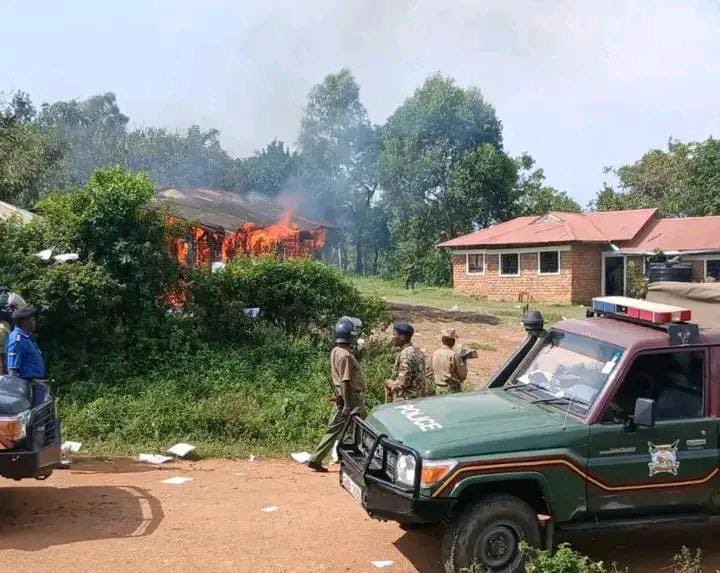
Dagoretti, Molo, Ol Kalou, all burned. When citizens set fire to stations, they are sending a clear signal: the social contract is broken.
This tension was deepened by the death of Boniface Kariuki, the 22-year-old mask vendor shot in the head by police during the June 25 protests in Nairobi.
Boniface was unarmed. He was not looting, not attacking, just selling masks and trying to flee the chaos.
After nearly two weeks on life support, his death became a national symbol of innocence lost. His story is painful, but not isolated.
Trust under siege
The Kenya National Commission on Human Rights (KNCHR) has since confirmed that 22 people were injured in those protests, many at the hands of officers who concealed their identities, used excessive force, or deployed unmarked gangs to harass civilians.
Protesters were teargassed, beaten, and in some cases, arrested despite following legal procedures. The very institution tasked with upholding the law appeared to stand outside it.
Then came Interior Cabinet Secretary Kipchumba Murkomen’s “shoot on sight” directive. Speaking after the Gen Z protests, he declared that anyone approaching a police station should be shot.

While Murkomen later clarified that his statement was based on the law, citing the Police Act, the damage was done.
His words, whether misinterpreted or not, sounded like a green light for extrajudicial violence. The Law Society of Kenya called the remarks reckless. Many citizens called them a threat.
Saba Saba Tension
And just when the flames seemed to cool, another match has been lit. Saba Saba ,Monday, July 7, is approaching fast.
Activist groups are mobilising for fresh protests. The National Police Service says it has not received official notice and is urging Kenyans to seek permits.

But the ground is already shifting. Many fear a repeat of June’s violence. Others say the demonstrations are necessary, a reckoning long overdue.
This is not just about isolated cases of misconduct. It is about the erosion of legitimacy.
When the public no longer believes that justice can be found through institutions, they seek it in the streets. And when they don’t feel heard, they speak in fire.
Kenya does not need more armoured trucks or viral apologies. It needs truth. It needs accountability. It needs reform that isn’t promised only after blood is spilled.
Because if police stations keep burning, they may not be the only thing that crumbles. What’s at stake is deeper: the fragile trust that holds a country together.