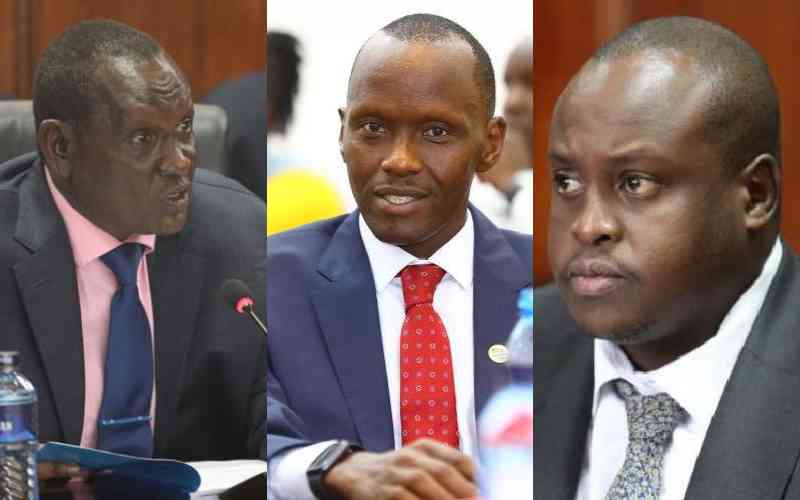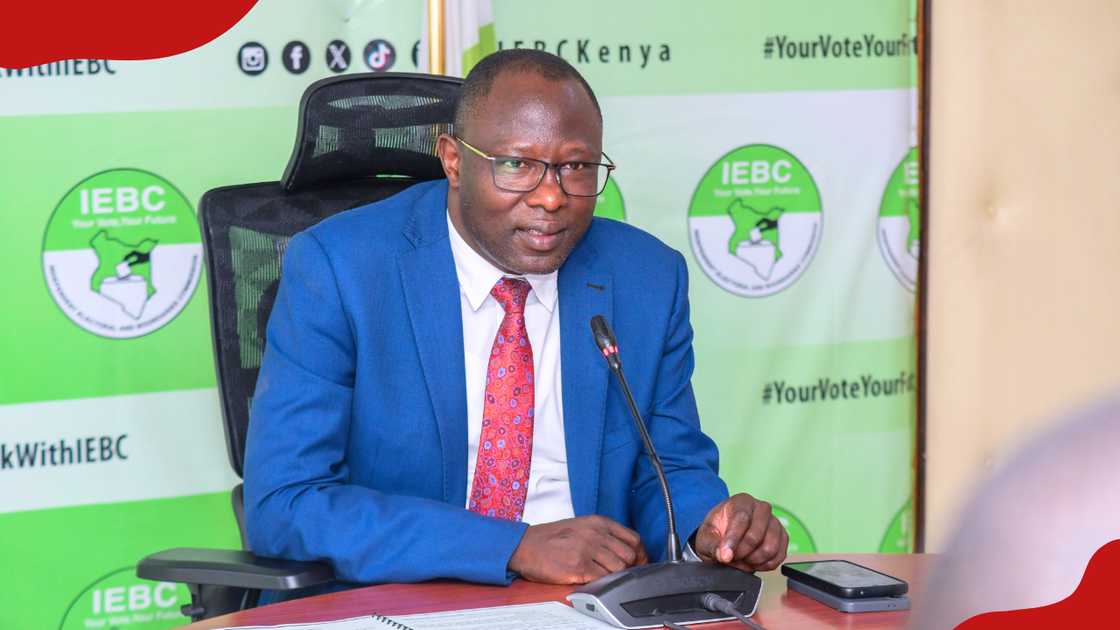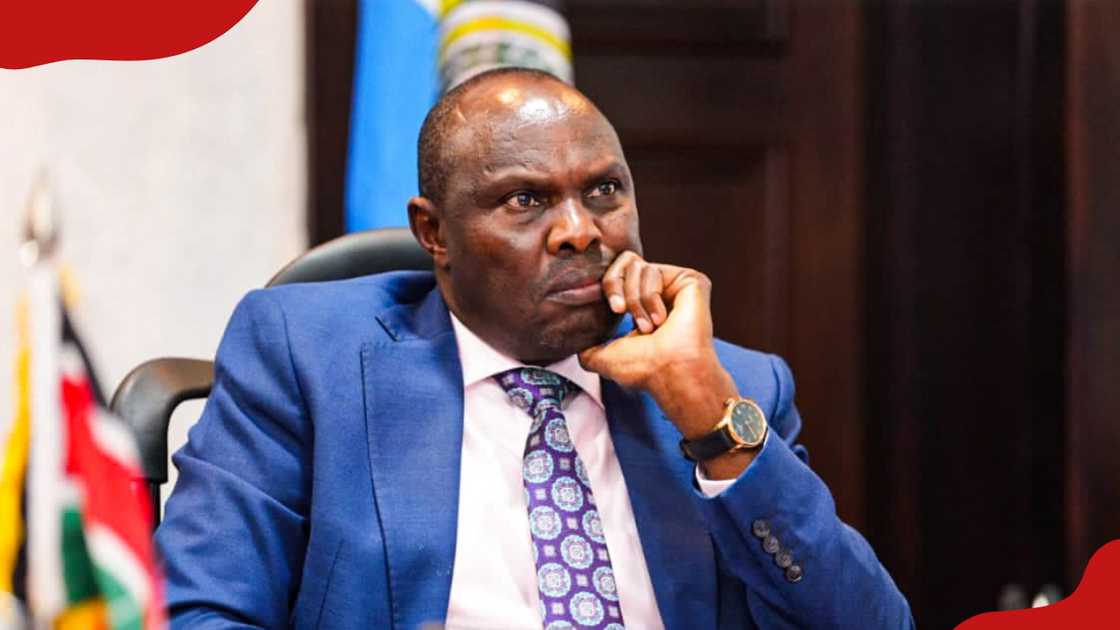






The National Assembly’s Committee on Delegated Legislation has begun a critical review of sweeping new media regulations that aim to align Kenya’s journalism standards with global trends and the challenges of the digital age.
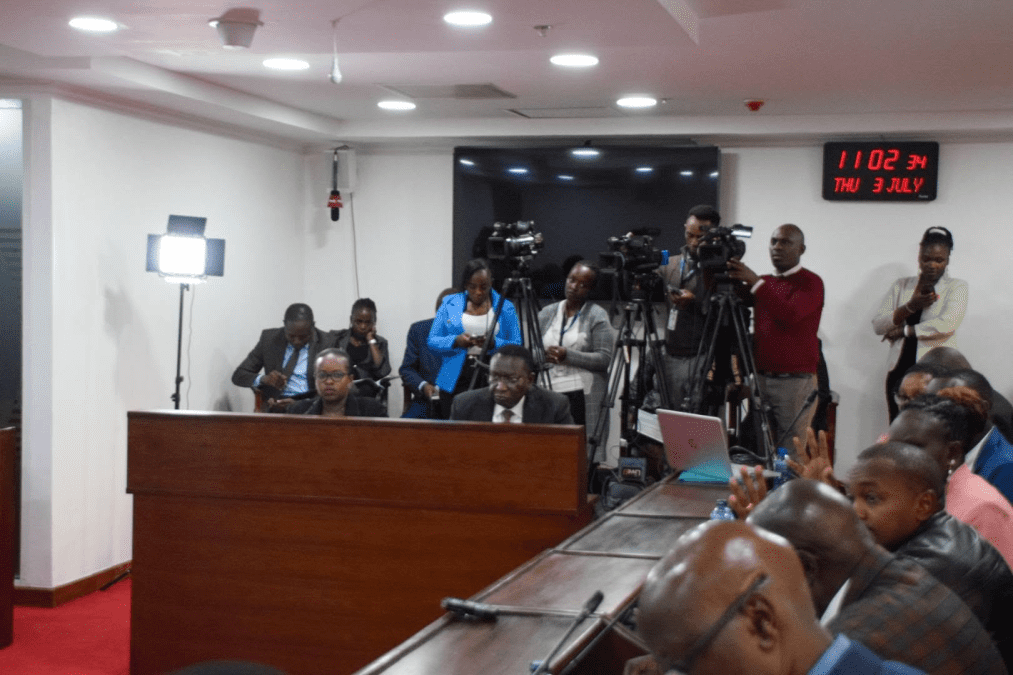
In a session chaired by Ainabkoi MP Samuel Chepkonga on Thursday, July 3, 2025, the lawmakers engaged in a spirited discussion over the proposed Code of Conduct for Media Practice, 2025, a regulatory overhaul that introduces far-reaching changes, especially around the use of Artificial Intelligence (AI), content accuracy, and live broadcasts.
The Committee heard from Information, Communication, and Digital Economy Cabinet Secretary William Kabogo, who led a delegation from his ministry to brief MPs on the new guidelines.
He was accompanied by PS for Telecommunications and Broadcasting Stephen Isaboke and Media Council of Kenya (MCK) CEO David Omwoyo, among other senior officials.
Tough operation standards
At the heart of the proposals are bold new measures: stiffer penalties for misuse of AI in news content, mandatory separation of gaming/betting content from general news, penalties for misleading headlines, and a controversial seven-second delay for all live broadcasts to filter out inappropriate content before it airs.
Kabogo pointed out that in May 2025, he enacted Legal Notice No. 88, which formally replaced the Second Schedule to the Media Council Act with the proposed Code.
“In May 2025, I enacted Legal Notice No. 88, which replaced the Second Schedule to the Media Council Act with a revised and comprehensive Code of Conduct for Media Practice, 2025,” Kabogo told the MPs.
“This review brings Kenya in line with international standards on digital media, ethical journalism, and child protection.”
MPs raise concerns
But even as government officials defended the need for modernisation, MPs raised red flags—particularly over clauses they fear may muzzle the press.
Chepkonga and Committee Vice Chair Robert Gichimu (Gichugu) led the charge, questioning whether the proposals risked unfairly targeting journalists on the ground while media owners escaped accountability.
MPs also questioned the impact of the live broadcast delay, with some warning it could be used to suppress live reporting during politically sensitive events.
In response, PS Isaboke assured the committee that the regulations had undergone “thorough public participation”, led by the MCK and involving a broad cross-section of stakeholders.
“We invited feedback from the public and industry stakeholders and incorporated many of the recommendations received, in line with our regulatory mandate,” PS Isaboke said.