


 Secondary-school heads say they will keep billing parents, even after a judge outlawed levies that lack government clearance.
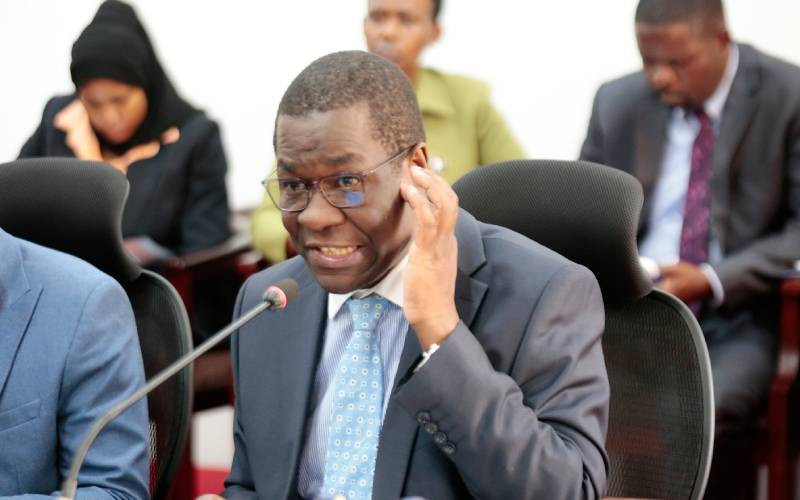
Speaking in Mombasa on Monday, Kenya Secondary School Heads Association (KESSHA) chair Willy Kuria told more than 10,000 principals gathered for the annual conference that “schools cannot run without those charges.”
Kuria argued the current boarding fee, capped at Ksh40,000 in 2015, no longer meets rising costs. Inflation has climbed about 46 percent since then, he noted, yet funding rules have not changed.
Teachers at the meeting cheered when Kuria added, “If the money does not come, we must ask parents. Otherwise, classrooms close.”
The declaration flies in the face of a June 16 High Court ruling by Justice Lawrence Mugambi. The judge found any levy imposed without approval from Education Cabinet Secretary Julius Ogamba illegal and a violation of a child’s right to free basic education.
Mugambi’s verdict followed a suit by a Nairobi parent whose daughter was sent home for failing to clear an extra Ksh25,000 dormitory fee at St George’s Girls. The court said even unanimous parent votes cannot override the law.
Yet principals insist the government’s own delays forced their hand. Over 90 percent of public schools, Kuria claimed, now owe suppliers and staff because capitation funds arrive late or in bits.
Education CS Ogamba has pledged to release Ksh21 billion in capitation this week and warned heads against fresh charges. Still, heads say the money covers barely half their bills.
How the 2015 fee compares with 2025 costs
| Official boarding fee (2015) | Cumulative inflation | Equivalent 2025 cost* |
|---|---|---|
| Ksh40,000 | 46 % | ≈ Ksh58,400 |
*Rounded using headline inflation data.
Kuria wants the ceiling reviewed before schools reopen for third term in August. Until then, he said, “We will not watch our institutions collapse.”
Parents’ associations are bracing for a legal showdown if principals ignore the court order. For now, pupils head back to class, clutching receipts many families can barely afford.