






The Council of Governors (COG) Health Chair and Wajir Governor Ahmed Abdullahi has defended the Social Health Authority (SHA) amid ongoing criticism from sections of the public and political leaders, calling for unity and structured collaboration to advance development goals across the country.
Speaking on Monday, June 23, 2025, during the 27th Intergovernmental Budget and Economic Council (IBEC) Ordinary Session held in Nairobi, Governor Abdullahi slammed critics of the health reforms, urging for a more cooperative approach between national and county governments.
“Everyone was against Social Health Authority, but we stuck out our necks, and now everyone is on board,” said the Governor.
“We made a bold move because we believed in the long-term benefits for our people.”
The Social Health Authority, launched under the Universal Health Coverage (UHC) agenda, initially faced resistance from various quarters, including healthcare workers’ unions, civil society, and some political leaders who questioned its readiness, legal framework, and funding structure. However, recent progress and improvements in health financing and service delivery have seen more counties embrace the programme.
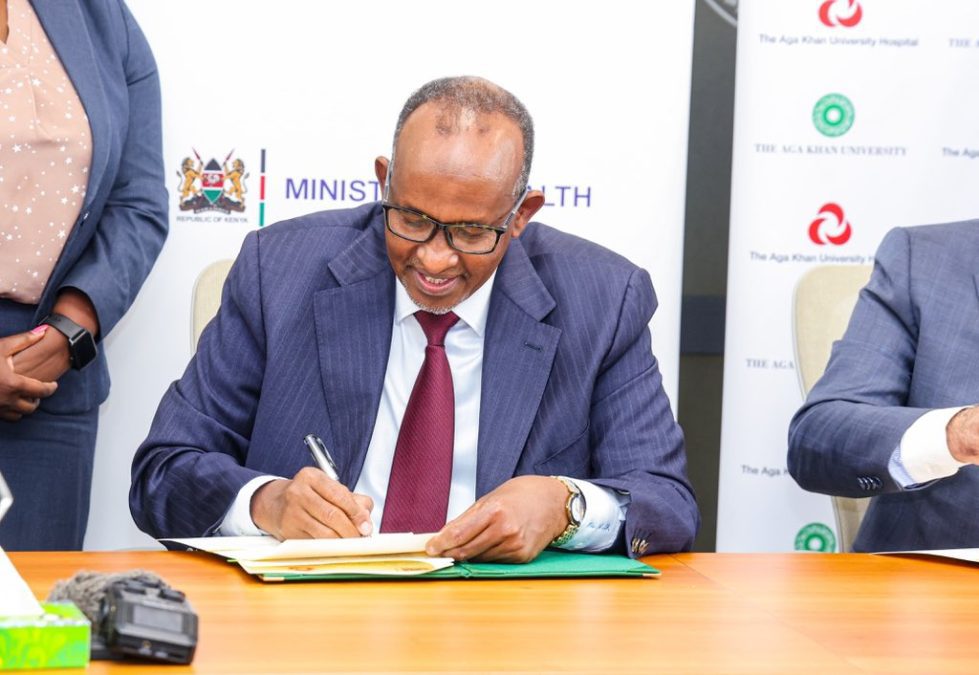
Health reforms
Governor Abdullahi noted that while reforms may not be perfect, leaders must rise above politics and focus on building institutions that improve service delivery for ordinary Kenyans.
“It is easy to criticise from the sidelines, but leadership demands courage,” he stated. “Let’s be honest — we cannot build effective systems if we are constantly tearing down every initiative before it takes root.”
The COG Health Chair also used his address to call for deeper and more structured partnerships between the two levels of government, saying that fragmented efforts are slowing down development, especially in the health sector.
“We must foster structured partnerships that are grounded in shared objectives, not political expediency,” he said. “The success of our development agenda hinges on coordination, mutual respect, and a clear understanding of roles.”
Abdullahi emphasised that counties are committed to improving healthcare, but they require predictable funding, strong intergovernmental collaboration, and policy stability to achieve meaningful progress.
His remarks come at a time when both national and county governments are under pressure to demonstrate results in health delivery, education, and infrastructure amid tight fiscal constraints.
The IBEC session brought together key national and county leaders to discuss economic planning, budgeting, and resource allocation across sectors.
He said as debates continue over health reforms and the broader devolution framework, SHA signals renewed commitment by county governments to push forward with implementation, despite challenges.