





When the streets heat up, Kenyans know the drill: Maandamano is not your ordinary walk to town.
Whether you are joining the chants or just trying to get home safely, it is wise to move with your head up and senses sharp.
With fresh calls for protests sweeping across the country and emotions running high after last year’s tragedies, the streets are likely to be loud, charged, and unpredictable.
And for those who have lived through past demonstrations, we know things can go from 0 to 100 real fast.
If you live in urban centres like Nairobi, Mombasa, Kisumu, Nakuru, or Eldoret, listen up. Here is your no-nonsense, street-smart guide to staying safe when the chants rise and the streets start to get ugly.
Be in the know
Let us be real, this is not just a walk in the park. Yes, protests are a constitutional right. Yes, they often start peacefully. But we have seen time and again how quickly they can spiral.
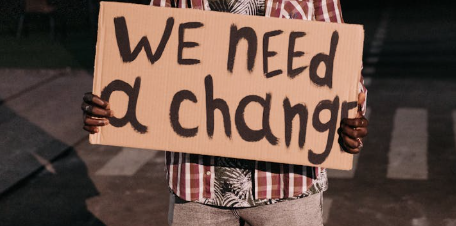
One minute you are standing peacefully with a placard, and the next you are running through clouds of tear gas or dodging live bullets.
That is why, before you leave the house, arm yourself with information. Do not just rely on gossip from the estate. Follow trusted journalists, check live news updates, and keep an eye on platforms like X or even TikTok, where Gen Z updates flow fast and raw.
You want to know where the hotspots are. Where the roadblocks might be. What time are crowds expected to gather? If you are walking into chaos, at least do it with your eyes open.
Dress comfortably
Forget the outfit you had planned. Today is not about standing out; it is about survival and blending in.
Leave political party colours behind. That orange cap, yellow t-shirt, or blue bandana could mark you in the eyes of the wrong group or trigger confrontation. Go for neutral tones, blacks, greys, and browns. Think comfortable, think practical.
Ladies, tie your hair back in high buns or braids tucked in. Fellas, keep it low-key too. Avoid chains, dangly earrings, or anything flashy. Shoes? Closed and comfortable. Sandals and heels are a no. You need to be able to move quickly, not trip mid-escape.
Your backpack is your friend
During maandamano, your backpack becomes more than just a fashion item. It is your survival kit. Pack water not just for hydration but to rinse out tear gas or wet a cloth for breathing in smoky air. Carry a clean towel or cloth for the same reason.
Always have your ID in case police stop you, and keep some cash in small notes since M-Pesa might fail, and matatus would not wait. A fully charged phone with a power bank is crucial for communication and emergencies, and do not forget a snack or energy bar, you could be out longer than expected.
If you rely on medication for asthma, allergies, or chronic conditions, pack that too. In short, travel light but stay ready for anything.
Know your escape routes
If you have never been in the middle of a protest gone wild, count yourself lucky. But do not bet on luck to get you through. Know your routes. Know the exits. Know when to leave.
Before you go anywhere, scan the area. Ask yourself, where is the closest alley? Which building can I duck into? If I had to vanish in 30 seconds, where would I go?
Stay on the edges of crowds, not the centre. It is the middle that gets squeezed when things go south. If a group starts running, do not follow blindly. Choose a direction, look for cover, and stay calm. Panic spreads fast, and panic makes mistakes.
Walk with purpose
Maandamano energy is intense. The passion, the pain, the unity—it pulls you in. You feel it in your bones. But do not get swept away blindly.
Keep your feet planted in common sense. Observe. Listen. Watch body language. If the crowd starts shifting, if chants turn into shouting, if police presence thickens, take that as your cue. You don’t wait for tear gas to confirm your instincts.
And if it gets tense, this is not the time to be filming TikTok or livestreaming. It is not a movie set. Real people bleed. Real people die.
So when chaos comes? Move. Quickly. Quietly. With purpose. Do not panic.
Non-protesters
You might not be protesting. Maybe you are just going to work, grabbing groceries, or heading to a meeting. But that does not mean you are safe by default. Boniface Kariuki was not a protester, and yet he received a bullet to his head.
Avoid protest zones entirely. If you work in Nairobi’s CBD or other city centres, consider remote work options if possible. If you have errands, finish them early in the morning. Streets tend to heat up by 11 am, especially during high-stakes protests.
Avoid curiosity. Do not walk toward the chants to see what is happening. You are not a news crew. And do not assume cars or bikes make you safe; stones do not discriminate.
Mind your mouth
In this digital age, your mouth and your phone can get you into trouble just as fast as your feet.
Do not mock the protests. Do not make jokes about people’s pain. And if you are filming, be ethical. Avoid showing protesters’ faces without their consent. You never know who is watching or what that footage might lead to.
Digital safety matters. Turn off live location sharing on apps like Snapchat, Instagram, and even Google Maps. Use secure communication channels like WhatsApp or Signal. And avoid texting sensitive details over unsecured networks.
Be human
Protests can bring out the worst but also the best in people. Amid the chaos, people hold hands, shield strangers, pass water, and cover one another from tear gas.
So, whether you are marching or watching from the sidelines, do not lose your humanity. Help where you can. Offer a tissue, a ride, or a moment of calm to someone who is scared.
And when you finally make it home safe, check in with your people. Make sure your friends, siblings, and neighbours made it too. That is the kind of care the country needs more of right now.