




The Kenya National Bureau of Statistics (KNBS) has thrown its weight behind two petitions seeking the formal recognition of the Pare and Chuka communities as distinct tribes in Kenya, emphasising the need for accurate ethnic data collection ahead of the 2029 national census.
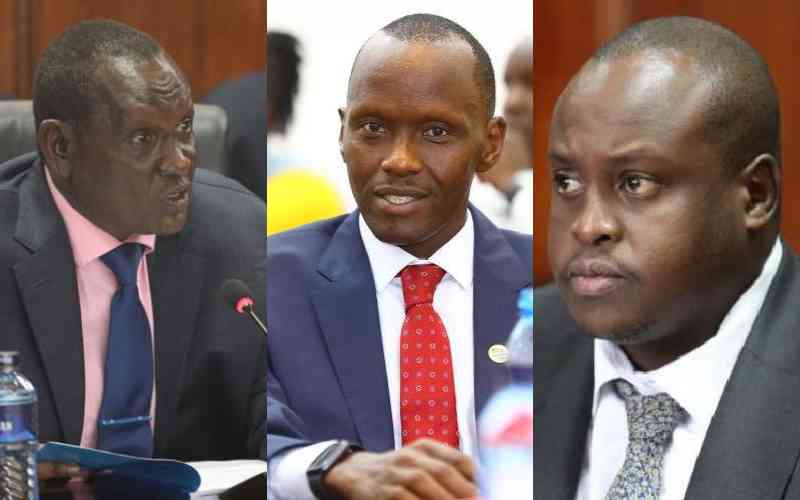
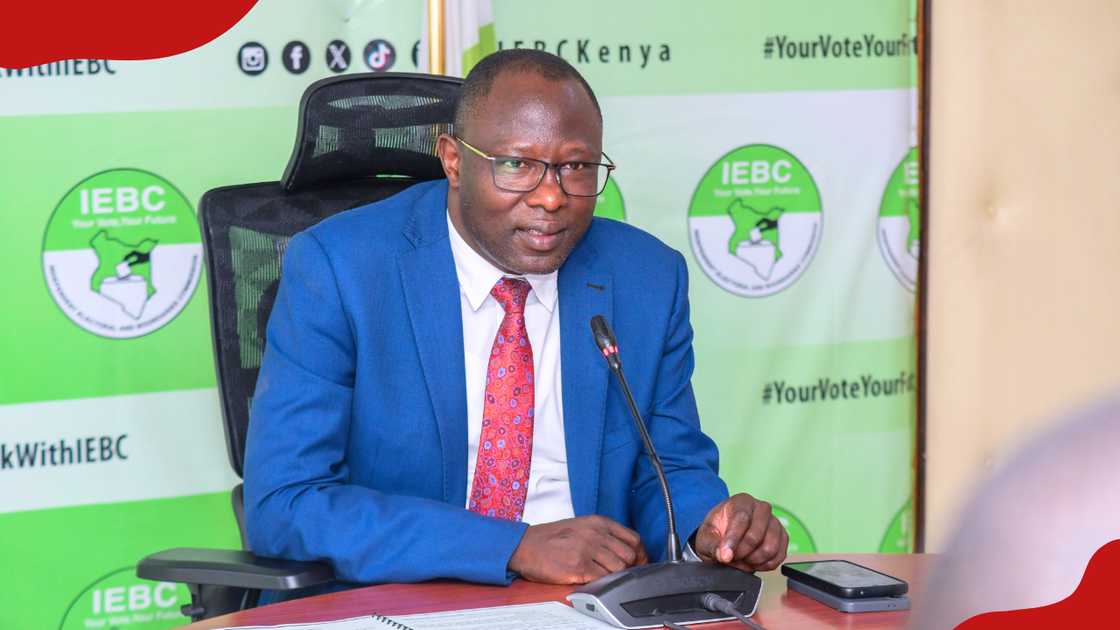
Appearing before the National Assembly’s Departmental Committee on National Cohesion and Equal Opportunity on Wednesday, June 18, 2025, KNBS Director General Macdonald Obudho affirmed the bureau’s backing for Petition No. 1 of 2025, which calls for recognition of the Pare people, and Petition No. 9 of 2025, which seeks similar status for the Chuka community.
“Over the years, various communities living in Kenya have sought to be recognised as distinct tribes or sub-tribes. This drive is often motivated by the desire to access statistical data, claim rightful entitlements, and promote community interests,” Obudho stated during the session chaired by Turbo MP Janet Sitienei.
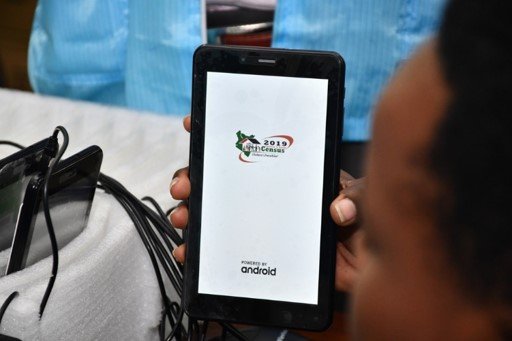
The KNBS chief emphasised that acknowledging all communities at the most detailed level would help address historical exclusion and improve fair resource distribution
“Statistical accuracy is best achieved when data is collected at the most distinct level. Avoiding the generalisation of communities will enhance equality and ensure that all Kenyans are accounted for,” he added.
Obudho further clarified that while KNBS is responsible for collecting population data, the mandate to officially gazette ethnic groups lies with the Ministry of Interior and National Administration, urging Parliament to expedite the petitions to allow for proper representation in the upcoming 2029 Kenya Population and Housing Census.
Express concern
Responding to Obudho’s submissions, the lawmakers raised concerns about why, over 60 years since independence, the government still maintains a category of stateless people.
Committee Vice Chairperson Sitienei questioned the persistence of such communities, citing Article 16 of the Constitution, which outlines citizenship conditions.
“Considering Article 16 of the Constitution outlines the conditions for citizenship, why has the Government neglected communities that have lived on this land long before national borders were drawn?” Sitienei asked.

On the other hand, Taveta MP John Bwire underscored the issue’s constitutional implications, arguing that classifying people as stateless contradicts Article 27 of the Constitution, which guarantees equality and freedom from discrimination for all Kenyans.
“Recognising people as stateless undermines the Constitution of Kenya, especially Article 27, which guarantees equality and freedom from discrimination,” Bwire said.
Stateless communities
The Pare community, primarily residing in Taveta Constituency within Taita Taveta County, was among 6,272 people classified as stateless during the 2019 Kenya Population and Housing Census.
This classification has placed them alongside other communities that have since gained recognition, including the Makonde, Kenyans of Asian heritage, Shona, and Pemba communities.
The Chuka community, predominantly found in Tharaka-Nithi County, currently falls under the broader Meru ethnic group as one of nine sub-groups.
The other Meru sub-communities include Igoji, Imenti, Tigania, Mitine, Igembe, Mwimbi, Muthambi, and Tharaka.