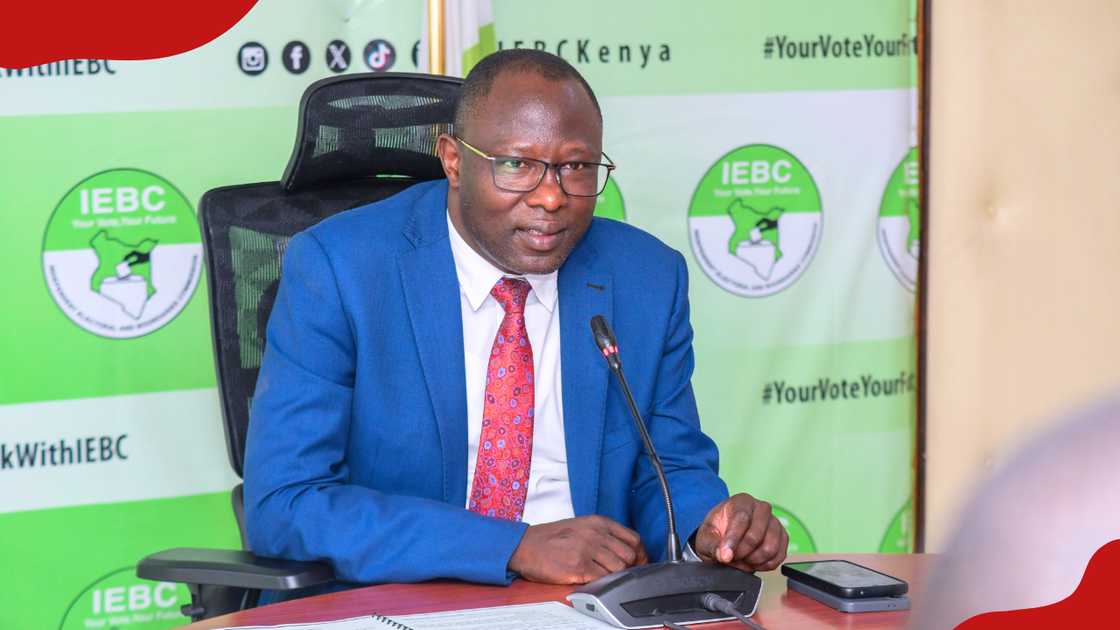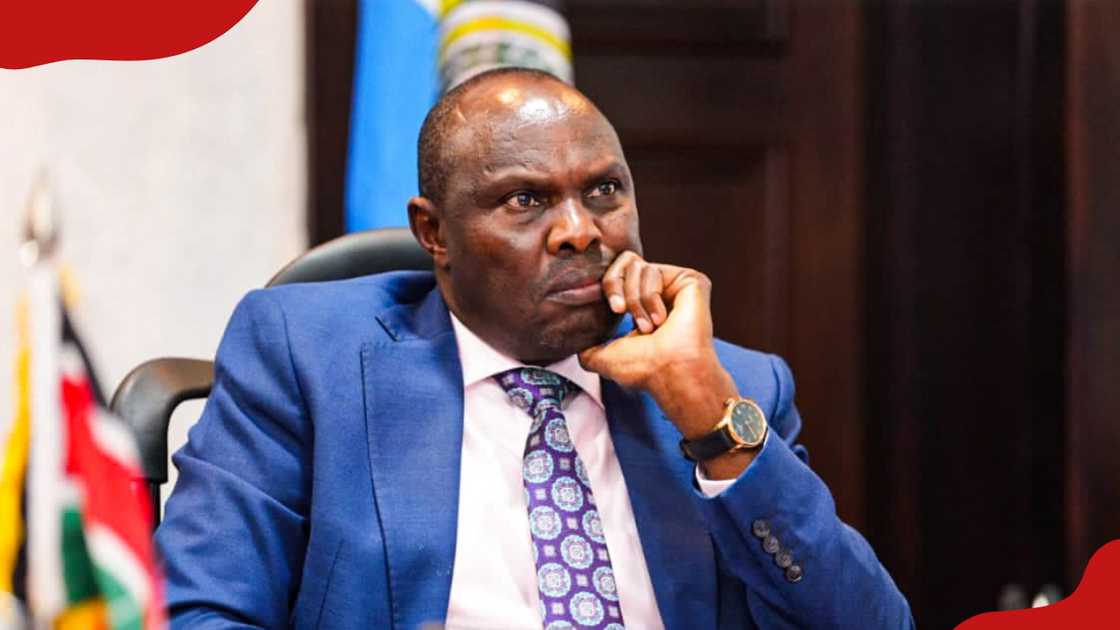






As the Middle East plunges deeper into chaos, Kenya’s top diplomat, Musalia Mudavadi, on Wednesday, June 18, 2025, rolled out the diplomatic red carpet for Iran’s ambassador in Nairobi, raising eyebrows and questions in equal measure.
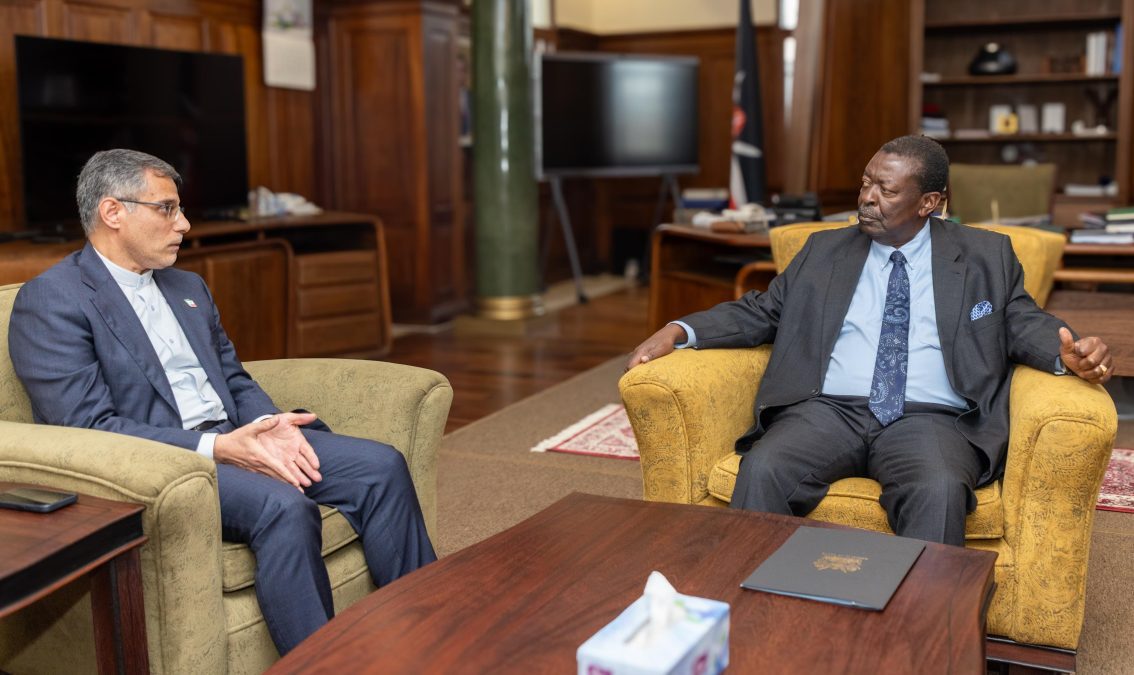
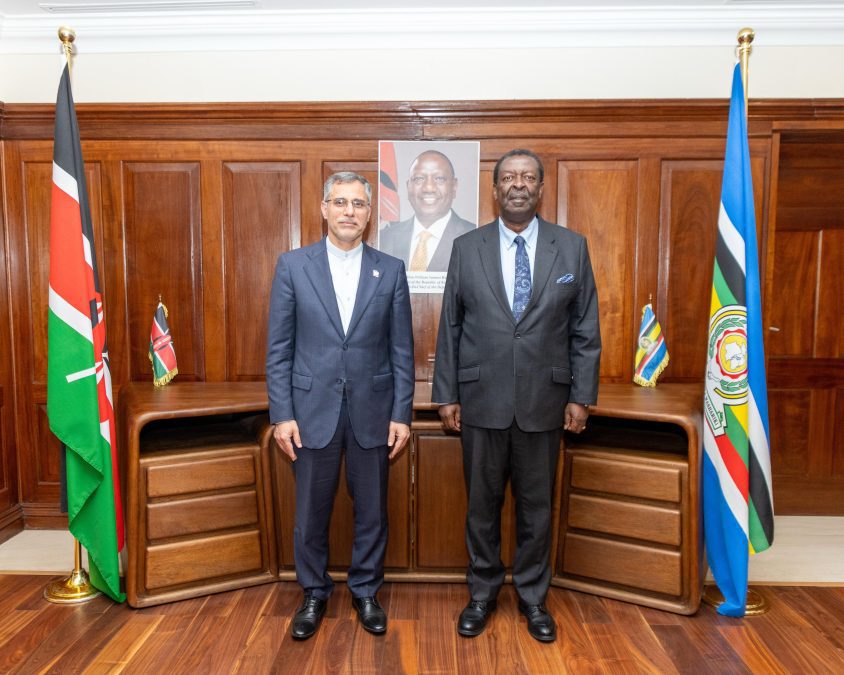
In a high-stakes meeting shrouded in geopolitical tension, Mudavadi, who doubles as Prime Cabinet Secretary and Foreign Affairs CS, met with Ali Gholampour, Tehran’s man in Nairobi, for closed-door talks at the height of Iran’s escalating war with Israel.
The timing was anything but casual.
With missiles raining over Tel Aviv and Tehran being pounded by Israeli jets having established air dominance over the Iranian sky, and the world on edge over the spectre of nuclear escalation, Mudavadi struck a diplomatic tone.
“Held a meeting with Dr. Ali Gholampour, Ambassador of the Islamic Republic of Iran to Kenya. Our conversation focused on the evolving security dynamics in the Middle East, with the Ambassador offering valuable insights into the current developments and their broader implications for regional and global stability. Exchanges such as this are vital in deepening mutual understanding and fostering constructive diplomatic engagement,” Mudavadi said.
But behind the carefully worded press release lies a world in flames.
Middle East meltdown
It all began when Israel, citing intelligence of imminent nuclear threats, unleashed Operation Rising Lion – a thunderous campaign of over 200 airstrikes targeting Iranian military and nuclear installations.
Tehran’s response was equally ferocious.
In a dramatic show of force, Iran fired a deadly barrage of missiles and drones into Israeli cities.
Major Israeli cities, including Tel Aviv, Haifa and others, were rocked by explosions as Israeli defence systems struggled to keep up.
So far, over 585 deaths have been reported in Iran, with 24 casualties in Israel. Hospitals are overwhelmed, power grids are crippled, and cities once bustling with life are now choked by fear and rubble.
Life in Iranian cities has taken a grim turn. With infrastructure crumbling under Israeli bombardment, thousands are fleeing to the countryside.
Internet and electricity outages are common. And as the threat of full-blown war with multiple superpowers looms, ordinary Iranians are bracing for the worst.
Back in Israel, air raid sirens and shelters have become part of daily life, as fears grow that the conflict could spill over into neighbouring countries.
The United States, under the fiery command of President Donald Trump, has deployed aircraft carriers to the Gulf and warned Iran of dire consequences unless it backs down.
But Tehran remains defiant. Supreme Leader Ayatollah Ali Khamenei has vowed to retaliate tenfold and accused the West of double standards.
Kenya walks diplomatic tightrope
While the missiles fly thousands of miles away, the ripple effects are being felt worldwide, including in Nairobi.
With global oil prices spiking and investor jitters threatening markets, Kenya is threading the needle between neutrality and global responsibility.
Mudavadi’s meeting with Gholampour is seen as a move to keep Kenya informed and perhaps influential in backchannel diplomacy.
As the violence escalates, the government has advised Kenyans in Israel and Iran to remain alert and reach out to consular services where necessary.
Through a statement released on Wednesday, June 18, 2025, by the State Department for Diaspora Affairs, Principal Secretary Roseline Njogu emphasised that the government’s top priority is the safety and well-being of Kenyans abroad.
Martin Oduor
The alchemist of literary works – a master wordsmith with a proven record of transforming the raw materials of language into a rich tapestry of emotion, thought, and imagination.