





 The Kenya National Commission on Human Rights (KNCHR) has documented 22 casualties resulting from Tuesday’s protests across Nairobi, Mombasa, Kilifi, and Kwale counties. The commission highlighted the shooting of a peaceful civilian in Nairobi’s Central Business District, who is now in critical condition at Kenyatta National Hospital, as a significant concern.
Other injuries reported by the KNCHR include gunshot wounds, head cuts, whiplashes, blunt trauma, and asthma attacks triggered by tear gas inhalation.
These protests, organized by civil society groups and human rights activists, were primarily aimed at seeking justice for Albert Ojwang, whose death in police custody under mysterious circumstances sparked widespread outrage.
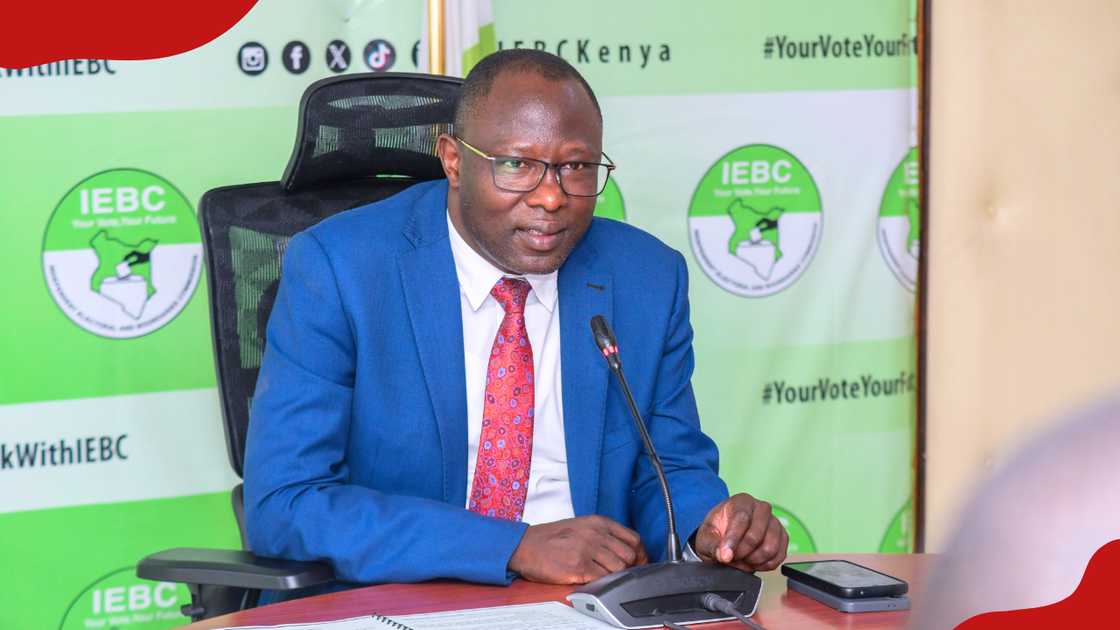
In a statement, KNCHR Vice Chairperson Raymond Nyeris condemned the arrest of protestors, including four Human Rights Defenders in Mombasa. He emphasized that these individuals were peaceful and had duly notified the police of their intentions, in line with legal requirements. The commission has since called for their immediate and unconditional release.
The KNCHR commended the majority of protestors for maintaining peace despite facing attacks and provocation from both police and suspected hired goons.
A notable observation during the Nairobi protests was the significant deployment of masked individuals on motorbikes, who, according to the commission, patrolled the streets and brutalized protestors and innocent citizens with crude weapons like tyre whips and wooden bars.
The commission further reported witnessing groups of thugs viciously attacking and robbing protestors and other civilians in Nairobi’s streets. The KNCHR labeled this as unacceptable conduct by the police, who are mandated to discharge their duties professionally and ensure security for all Kenyans without bias.
Concerns were also raised regarding police officers concealing their vehicle registration numbers and faces with masks and hoods. This practice contravenes a High Court ruling from last year, which mandates that all police officers assigned to handle protests must be in official uniform and remain identifiable at all times.
The KNCHR warned that such impunity from those charged with maintaining law and order encourages citizens to disregard the law.