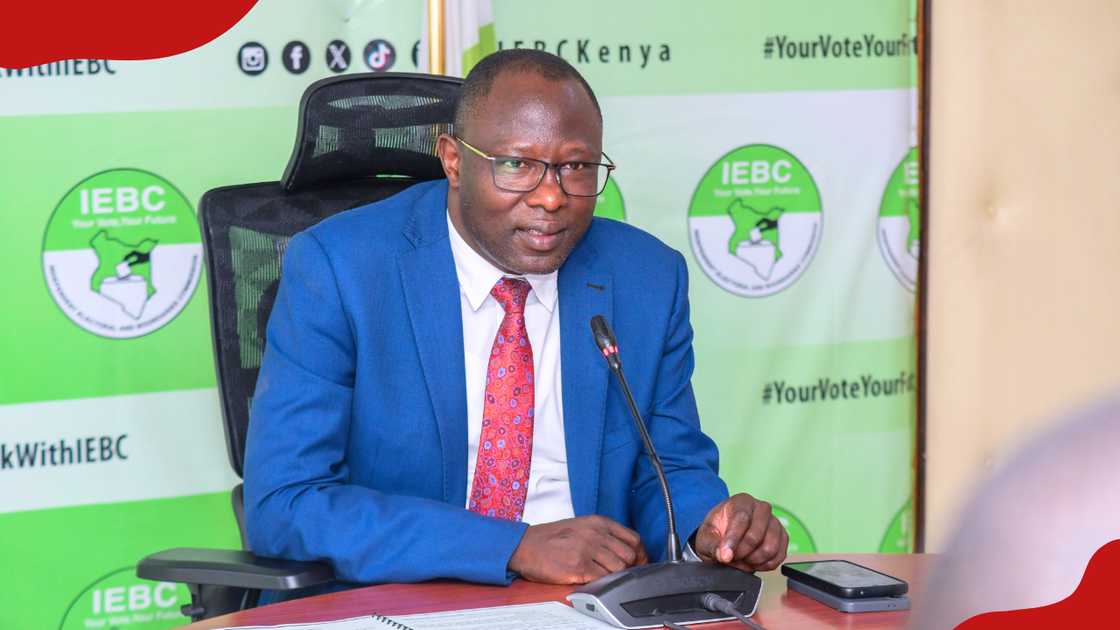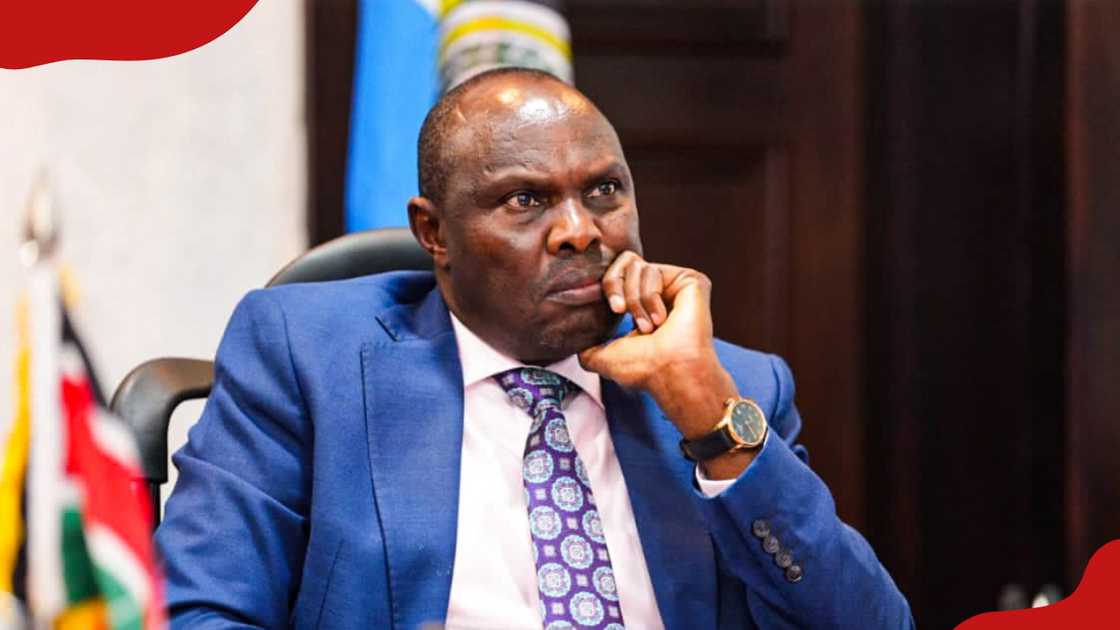






The killing of blogger Albert Ojwang in police custody has ignited a firestorm of public outrage and placed Eliud Kipkoech Lagat, the Deputy Inspector General (DIG) of the Kenya Police Service (KPS), squarely in the eye of the storm.
Lagat, whose personal complaint against Ojwang initiated the arrest, is now facing mounting calls for his resignation and even arrest, stemming from the suspicious circumstances of the blogger’s death.
Should Lagat yield to these demands and resign from his powerful post, a complex web of immediate and long-term implications would invariably await him.
Here are five likely scenarios of such a decision:
1. Immediate loss of authority
The most direct outcome of a resignation would be Lagat’s immediate relinquishment of one of the most senior positions within the national security apparatus. As
DIG, he commands a vast operational force, wields significant influence over policing strategy, and holds a pivotal role in maintaining law and order across the country.
Stepping down would instantly divest him of this extensive authority, power, and the privileges associated with such a high public office.
It would mark an abrupt end to a distinguished career within the police force, fundamentally altering his professional standing.
2. Intensified legal vulnerability
While an active investigation by the Independent Policing Oversight Authority (IPOA) is already underway, a resignation could significantly alter Lagat’s legal standing.
High-ranking officials often benefit from certain layers of institutional protection, or at least a more cautious approach from prosecuting bodies, while in office.
His departure could remove these implicit shields, potentially making him a more direct and immediate target for formal questioning, or even arrest and prosecution, if evidence gathered by IPOA and the Directorate of Public Prosecutions (DPP) warrants it.
Resignation, in this context, would not absolve him of potential criminal culpability but could, in fact, facilitate the legal process against him.
3. Enduring public scrutiny
Even if no immediate charges are filed, a resignation under such controversial circumstances would indelibly link Lagat’s name to the tragic death of Albert Ojwang.
His public image and legacy, meticulously built over years of service, would be severely tarnished.
The incident has already sparked mass protests across Kenya, with demonstrators explicitly demanding accountability from top police leadership.
Should he resign, Lagat would likely be remembered not just for his years as DIG but primarily for his connection to this contentious death, enduring intense public scrutiny and a cloud of suspicion for the foreseeable future.

4. Potential for criminal prosecution
Regardless of his official status, a resignation would not shield Lagat from the ongoing criminal investigation.
IPOA has already named five police officers involved in Ojwang’s arrest and transfer, and a post-mortem report indicates that Ojwang suffered injuries consistent with assault.
If investigations reveal direct or indirect links, or failures in command responsibility that contributed to Ojwang’s death, Lagat could still face criminal charges.
Calls from political figures like Rigathi Gachagua for his arrest underscore the severity of the legal exposure he faces, regardless of his position.
5. Precedent for police accountability
Lagat’s decision, or lack thereof, holds significant weight for the broader future of accountability within the Kenya Police Service.
Should he resign or be compelled to leave, it would establish a potent precedent that even the highest echelons of law enforcement are not immune from consequences when deaths occur in custody, especially when linked to their direct actions or complaints.
Conversely, Lagat’s retention despite the public outcry could reinforce perceptions of impunity, potentially further eroding public trust in the police force and the government’s commitment to justice and human rights.
The pressure on DIG Lagat reflects a critical moment for the country’s security apparatus, testing its commitment to transparency and the rule of law.
Lagat’s choice, whether to step down or resist, will have profound implications not only for his own future but for the direction of police reform in the nation.
Martin Oduor
The alchemist of literary works – a master wordsmith with a proven record of transforming the raw materials of language into a rich tapestry of emotion, thought, and imagination.