
 The Independent Policing Oversight Authority (IPOA) has sounded the alarm over a troubling spike in deaths occurring inside police custody, revealing that at least 20 individuals have died over the last four months.
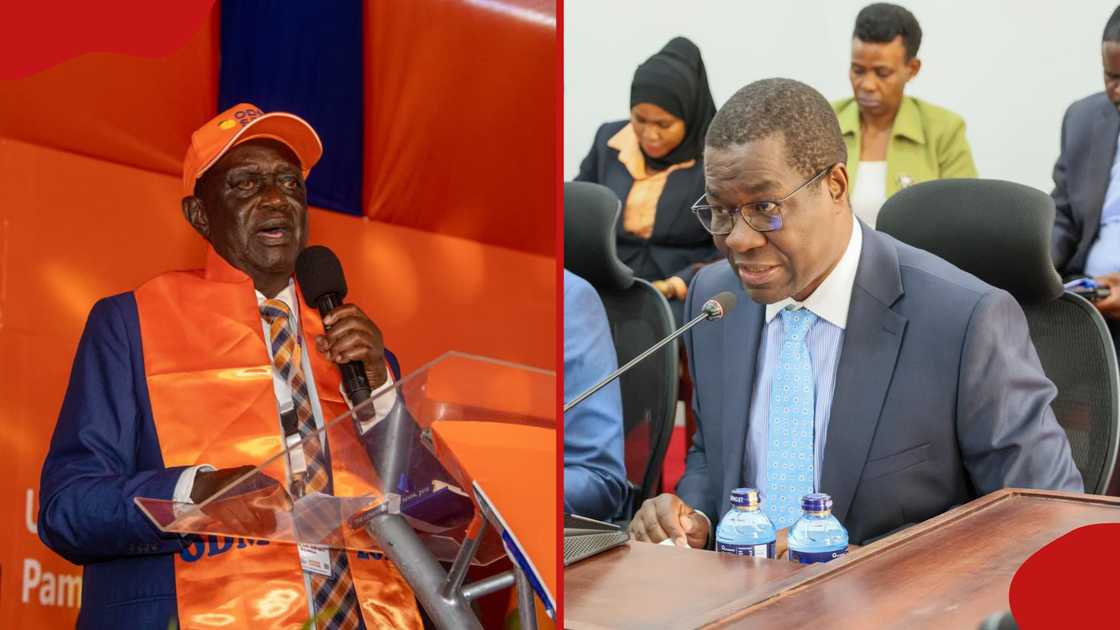
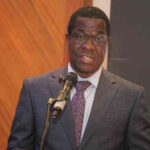
IPOA Chairperson Issack Hassan made the disclosure on Thursday while addressing the National Assembly Committee on Administration and Internal Security, highlighting what he called a disturbing trend of police abuse and brutality behind cell walls.
“We have had 20 deaths in police custody in the last four months,” Hassan told MPs.
One case drawing national outcry is the suspicious death of Albert Ojwang, a blogger and teacher, who died while being held at Nairobi’s Central Police Station last weekend. Hassan pointedly dismissed the police explanation that Ojwang fatally injured himself by banging his head against a cell wall, calling it a blatant attempt to cover up what IPOA believes to be a case of custodial torture and murder.
“The signal by the police Inspector-General was incredible; it was a very poor cover-up attempt to say that Ojwang had hit his head on the wall,” Hassan stated. “The CCTV had been interfered with. The man was tortured and killed.”
IPOA Uncovers CCTV Tampering
According to Hassan, surveillance records show that someone tampered with the station’s CCTV system just hours after Ojwang was booked. DVR logs revealed that the surveillance discs were replaced at precisely 7:23 a.m. on June 8, less than 12 hours after Ojwang had been logged in at 9:35 p.m. on June 7 under OB number 136/7/6/2025.
Hassan claimed the alteration of the CCTV system was not coincidental. He told lawmakers that the action appeared to be part of a coordinated attempt to delete crucial video evidence surrounding the events leading to Ojwang’s death.
“Somebody called someone to come and switch off a particular section, but he said he could only shut down the entire system. The DVR logs indicated that the operating discs had been changed and formatted,” Hassan said.
IPOA has already taken statements from officers and individuals who were present at the police station during Ojwang’s detention. These testimonies now form part of an active investigation into what the oversight body believes to be a premeditated act of brutality resulting in death.
Sensitive Evidence in Ojwang’ Murder Probe
Because of the highly sensitive nature of the evidence, Hassan requested a closed-door session with MPs to share classified details that couldn’t be discussed in public.
“There is information we cannot reveal here in public, and we ask for a private session with the committee so that we can share that,” he said.
Committee Chair Gabriel Tongoyo agreed to the request but asked IPOA to first offer a public update on non-sensitive matters before transitioning to the private briefing.
Hassan also made it clear that although IPOA lacks powers to arrest or prosecute, the authority is treating all police officers linked to the Ojwang case as murder suspects. This includes the officers who arrested Ojwang in Homa Bay, those who held him at Central Police Station, and those involved in handling his body after his death.
“We are not going to be used as a fire extinguisher for police or enable this cover-up. We want the police to cooperate fully. Every officer involved in Ojwang’s arrest and detention is under investigation,” Hassan declared.
So far, IPOA has interrogated 17 police officers and six civilian witnesses. Hassan also disclosed that Deputy Inspector-General Douglas Kanja Lagat will be summoned to give a statement as the inquiry nears its final phase.
“We have the capacity to investigate this issue. Of course, we expect some kind of blue code where officers will choose to be silent, but we have other means,” he remarked.