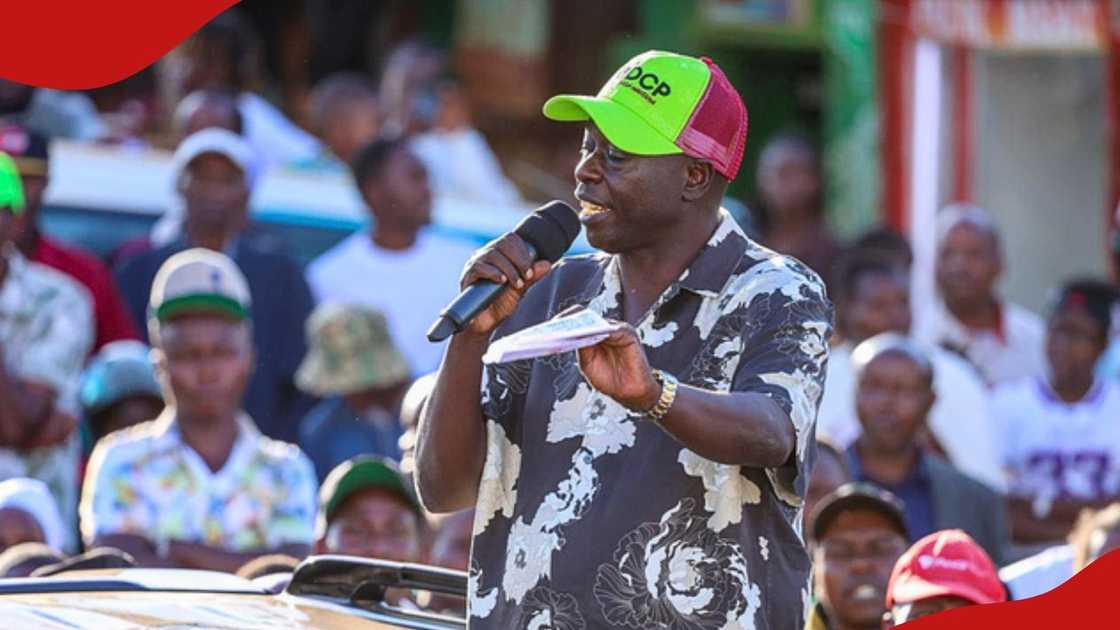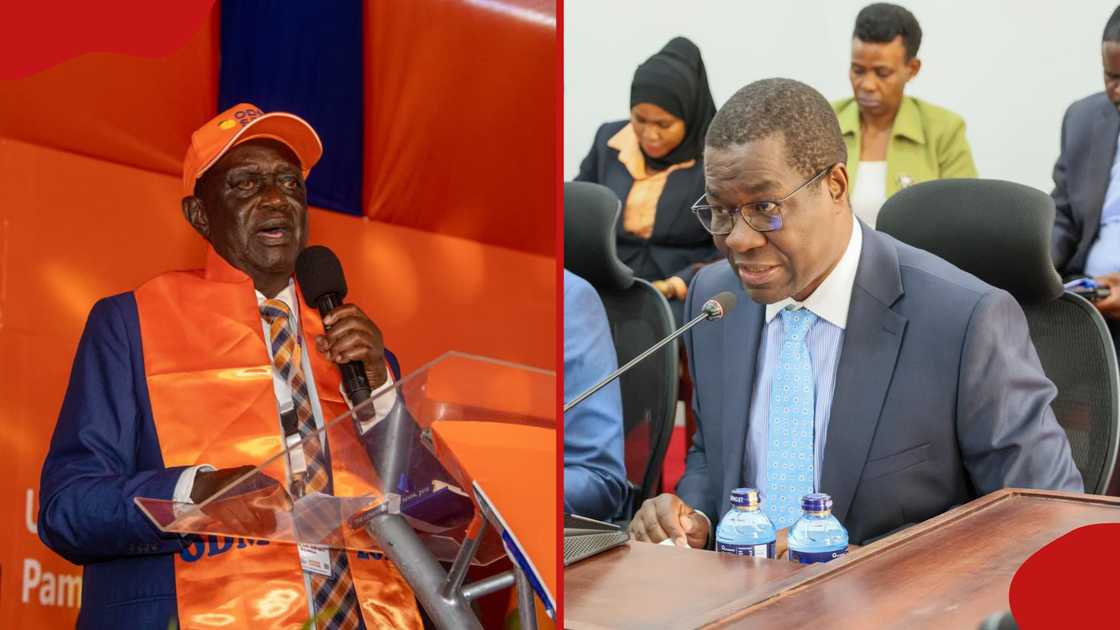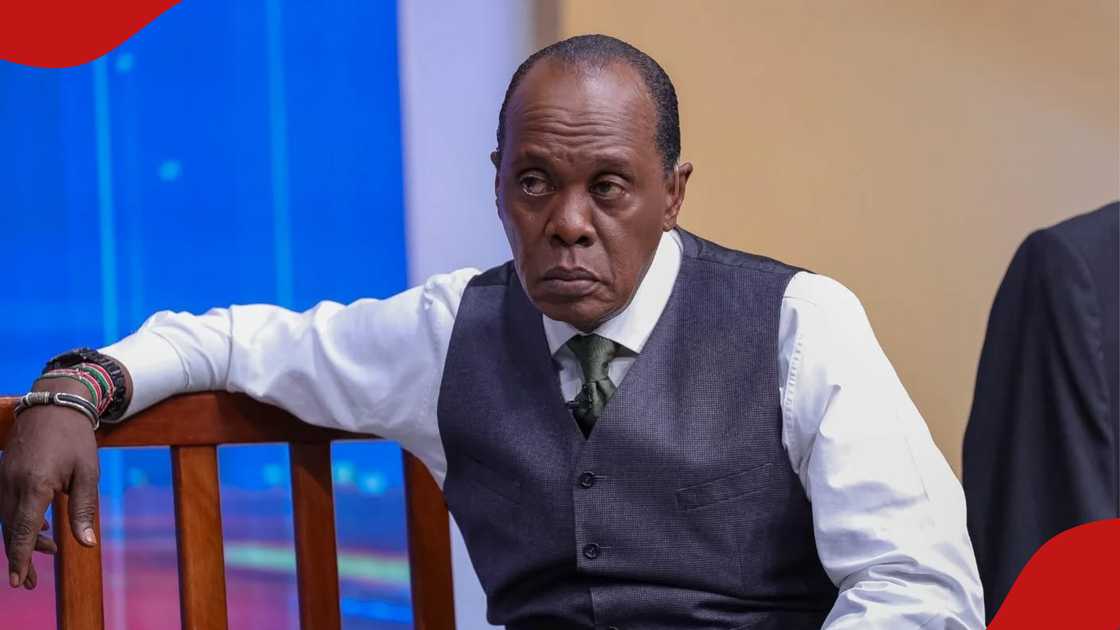




The Chief Executive Officer of the Africa Policy Institute Peter Kagwanja, has called on Deputy President Kithure Kindiki to move away from what he termed as politics of poverty and instead steer the country towards the pursuit of national ideals.
Speaking during an interview on a local TV station on Monday, June 9, 2025, Kagwanja cautioned against rhetoric that entrenches poverty as a political identity, arguing that it diverts attention from critical policy matters and long-term development goals.
“We cannot build a modern nation on the foundation of poverty politics,” he said. “It is time to focus on ideals that unify and uplift, not narratives that entrench dependency and underdevelopment.”
The remarks come in the wake of recent public addresses by DP in which he has underscored the struggles of the poor and emphasised a people-centred approach in policymaking.
While acknowledging the importance of addressing socio-economic disparities, Kagwanja said national leadership must go beyond sentiment and focus on structural transformation.
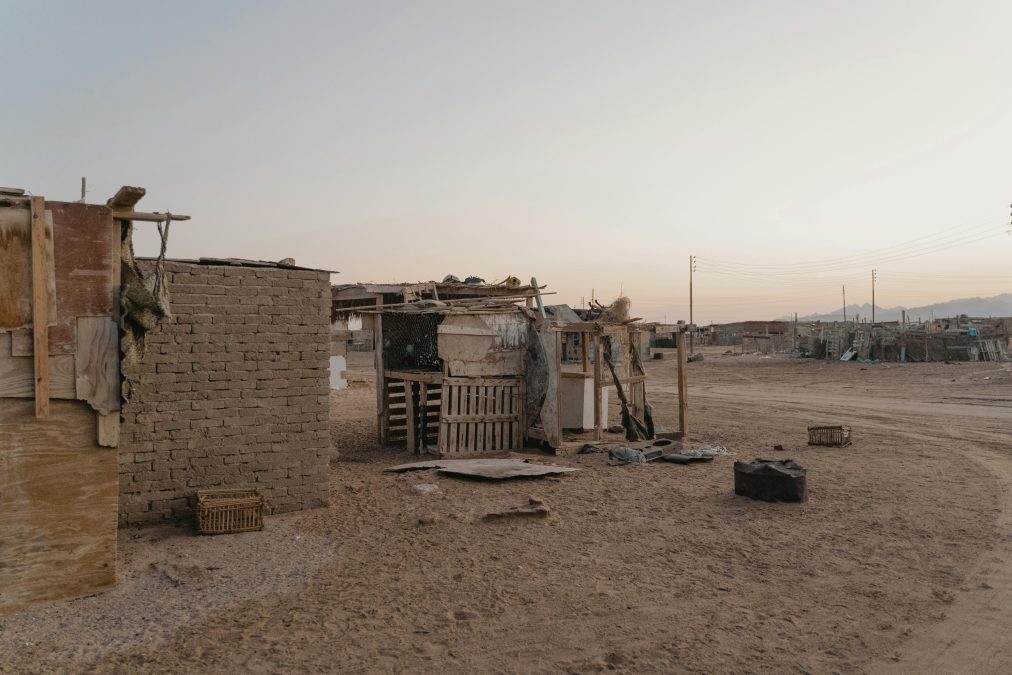
“While we must recognise the plight of the poor, we must not weaponise it. Poverty should not be a political identity, it should be a policy challenge to be eradicated through clear vision and decisive action,” he said.
Leadership anchored on vision
Kagwanja argues that leaders need to rise above populist narratives and instead articulate a clear national vision rooted in Kenya’s constitutional values and long-term development plans.
“The Constitution speaks of national values and principles of governance. We must stop the small talk and start the big conversation on what kind of country we want to build,” he said.
He also challenged senior government officials, including the Deputy President, to frame their political messages around the ideals of equity, national unity, good governance and development, instead of resorting to emotionally charged themes that may breed division or hinder progress.
“When leaders focus solely on poverty, they risk reducing citizens to victims instead of empowering them as stakeholders in national development,” he added.
Kagwanja also emphasised the need for strong institutions that can deliver services efficiently and uphold accountability. He noted that reducing governance to individual acts of generosity or moral posturing risks weakening institutional capacity and public trust.
“No leader, no matter how well-intentioned, can substitute strong institutions. The rule of law, public accountability, and inclusive policies are what lift people out of poverty sustainably,” he affirmed.
He added that government officials must prioritise investment in education, healthcare, and job creation as practical avenues for addressing poverty, rather than relying on populist statements.
“We need programmes, not proclamations. Kenyans are tired of promises they want results,” Kagwanja said.
Short-term political gains
Kagwanja further warned that politics built around poverty can easily slide into populism, which may bring short-term support but ultimately lacks the substance needed for long-term national growth.
“Populism feeds on emotions. It has no roadmap, no policy structure, no measurable outcome,” he said. “That is not how we transform a country.”
He called on political leaders to provide the nation with a long-term plan that addresses the root causes of poverty, inequality, and unemployment, rather than repeatedly invoking the suffering of the masses without offering tangible solutions.
“Let us lead with ideas, not just identify problems. Leadership must be visionary and transformative,” he said.
“We must reimagine our politics. Not through the lens of despair, but through the lens of possibility,” he said. “This is what will build the Kenya we want.”