




The Public Seal of Kenya, a critical symbol of state authority and legal authenticity, has become the subject of intense public debate in recent weeks.
Despite growing concern, the Attorney General, who is constitutionally mandated to offer legal guidance to the nation, has remained silent on the matter, leaving many Kenyans confused about the seal’s function, history, and current status.
At the centre of the controversy is the reported relocation of the seal from its traditional custodian, the Office of the Attorney General, to the Head of Public Service (HOPS), Mr Felix Koskei. The seal, previously anchored in the Attorney General’s Office as stipulated in the Office of the Attorney General Act of 2012, is now reportedly under the HOPS following the enactment of the National Assembly Amendment Act of 2023.
A move that the government spokesperson, Isaac Mwaura, has since contradicted himself on. Initially, during a press briefing on Monday, May 19, 2025, he defended the transition, stating that it was anchored in law, conducted lawfully, and did not interfere with national values.
He asserted that the Head of Public Service was the legal custodian of the seal.
However, just days later, Mwaura made a U-turn on his earlier remarks, clarifying that Parliament had deleted the proposal to amend the National Administration Laws (Amendment) Bill and that the seal remains under the custody of the Attorney General, completely deviating from his earlier position.
The 2023 amendment proposed that the custody of the seal and any other state instrument with no designated custodian be transferred to the Head of Public Service.
This move has raised constitutional and legal questions, with no formal explanation offered to the public and no clarification from key state offices.
Functions of Public Seal
In Kenya, the Public Seal is a critical symbol of state authority and authenticity, as outlined in the Constitution.
It is entrusted to the State Law Office, under the stewardship of the Attorney General, and serves as the official mark for authenticating significant national agreements and documents.
Often referred to as the ‘signature ya Wakenya’ (signature of Kenyans), the seal represents the collective will and sovereignty of the Kenyan people when affixed to treaties, contracts, or other legally binding instruments signed on behalf of the nation.
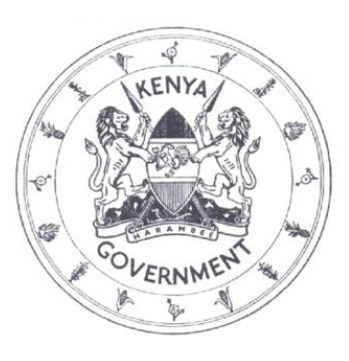
This seal ensures that such documents carry the full weight of governmental approval, making them legally enforceable and recognised both domestically and internationally.
Historically rooted in the need to validate official actions, the public seal’s use is strictly regulated to prevent misuse, which could undermine trust in state processes or lead to legal repercussions like charges of forgery.
Unlike private or corporate seals, Kenya’s public seal is a unique emblem of national identity and governance, symbolising the state’s commitment to its obligations.
Its application is a formal process, often reserved for high-level agreements, reflecting its importance in upholding the integrity of Kenya’s legal and diplomatic framework.
Comparisons with the US
Just like in Kenya, in the United States, the Public Seal, most notably the Great Seal of the United States, is a vital emblem of national authority and authenticity, used to validate official documents and signify governmental approval.
Unlike Kenya, where custodianship is entrusted to the attorney general, the Great Seal is entrusted to the U.S. Secretary of State, who affixes it to critical documents such as treaties, presidential proclamations, and commissions for high-ranking officials, ensuring their legitimacy both domestically and internationally.
The Great Seal, featuring an eagle, a shield, and the motto ‘E Pluribus Unum’, symbolises the unity and sovereignty of the nation.
Its use is tightly regulated to prevent unauthorised application, which could constitute forgery and carry legal consequences.
Beyond the federal level, individual states, like Texas, maintain their own public seals, such as the Texas State Seal, which includes a lone star and olive/live oak branches, used by the Secretary of State under the governor’s direction to authenticate state documents.
These seals serve as a formal mark of governmental endorsement, ensuring trust in official actions and legal instruments.
Unlike corporate or notarial seals, public seals in the U.S. embody the authority of the state or federal government, playing a critical role in upholding the integrity of legal, diplomatic, and administrative processes.