





Kenya’s economic growth is expected to slow to 4.5% in 2025 from 4.7% in 2024, according to the World Bank’s latest Kenya economic update released on May 27, 2025.
The report paints a fragile fiscal picture, attributing the slowdown to weak revenue collection, high public debt, and declining private sector credit.
The World Bank warns that the country’s public debt, which stood at 65.5% of GDP by the end of 2024, continues to strain economic resilience. Interest payments alone are consuming nearly a third of the country’s tax revenues, posing a significant threat to Kenya’s fiscal sustainability.
Revenue challenges
The report underscores that Kenya’s tax-to-GDP ratio remains below potential, a situation worsened by a narrow tax base and overreliance on consumption taxes.
“Kenya’s revenue performance continues to fall short, limiting the government’s capacity to fund development and social protection,” the report noted.
During the report’s launch, Treasury Cabinet Secretary John Mbadi acknowledged the World Bank’s findings, stating:
“We recognize the need for bold reforms in domestic revenue mobilization. Our goal is to ensure fiscal consolidation without hurting key service delivery sectors.”
Debt burden
According to the World Bank, the high debt servicing costs are crowding out essential investments in infrastructure and human capital. The report also warned of a contraction in private sector credit, with growth turning negative in December 2024. Lending to sectors such as manufacturing, mining, and finance has been severely constrained.
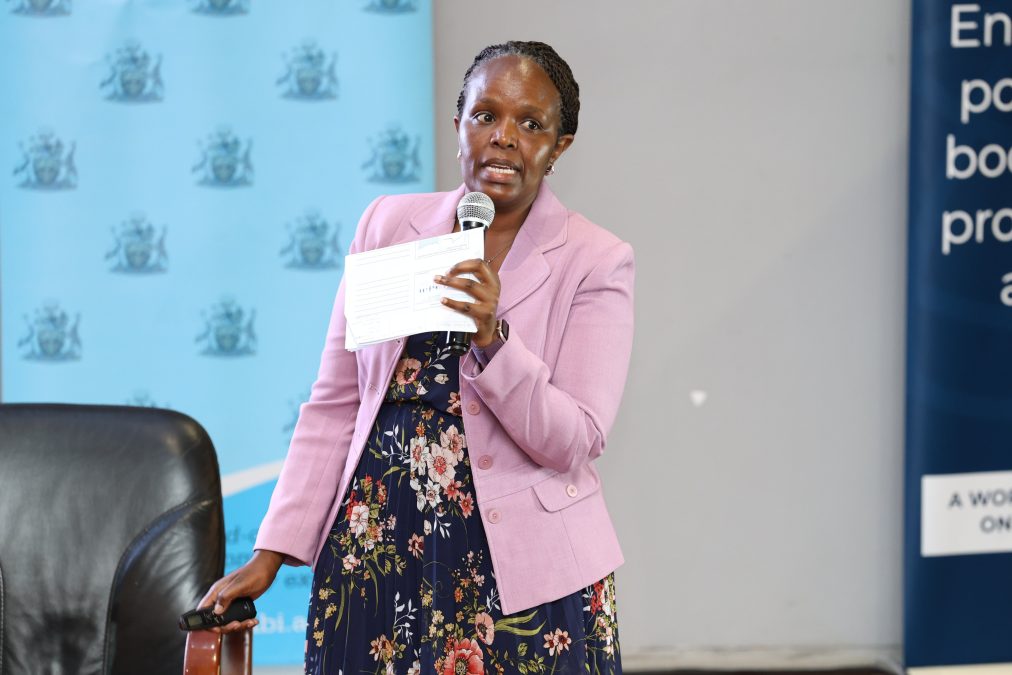
World Bank Senior Economist Naomi Mathenge said elevated interest rates were partly to blame.
“The cost of borrowing remains high, limiting access to credit by businesses. This is impacting employment and growth in key sectors,” she explained.
Need for reforms and external financing
While inflation has eased and the exchange rate stabilized, the World Bank emphasized that Kenya must adopt urgent fiscal and structural reforms to safeguard macroeconomic stability.
Qimiao Fan, World Bank Country Director for Kenya, urged authorities to address the root causes of revenue shortfalls and expenditure inefficiencies:
“Fiscal discipline, coupled with improved tax administration, is vital for restoring investor confidence and creating fiscal space for development priorities.”
The World Bank projects Kenya’s economy could recover to about 5.0% growth in 2026–27, but only if reforms are implemented effectively. The report advocates for a medium-term revenue strategy, improved public financial management, and expanded access to concessional financing.
As Kenya faces mounting pressure to balance debt repayment with development demands, the report calls on policymakers to demonstrate commitment to fiscal responsibility. Failure to act, it warns, could deepen fiscal distress and derail progress made in poverty reduction and economic transformation.