






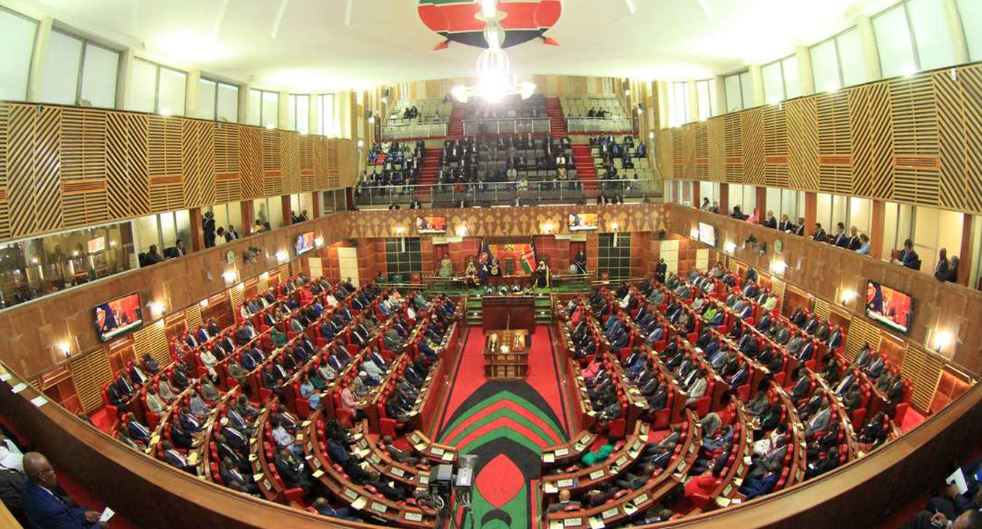
 The Hansard Association of Kenya (HAK) has sounded the alarm over the growing impact of emerging technologies, especially Artificial Intelligence (AI), warning that without proper oversight, these tools could undermine the accuracy and trustworthiness of parliamentary records in Kenya.
The caution came during the 7th Annual Hansard Association of Kenya Conference, held at a hotel in Mombasa, where top officials and parliamentary reporters gathered to discuss the future of legislative transcription in a rapidly evolving digital landscape.
Addressing delegates at the forum, Deputy Clerk of the National Assembly Serah Kioko expressed concern about the increasing reliance on AI tools to transcribe parliamentary proceedings. While acknowledging the efficiency these technologies offer, she pointed out their limitations—especially when it comes to capturing the unique linguistic nuances of Kenya’s diverse lawmakers.
Kioko emphasized the need to strike a careful balance between embracing innovation and preserving the integrity of official records. She warned that AI systems often struggle with dialects and heavy mother tongue influence, increasing the risk of errors in official transcripts.
“Hansard personnel are the silent custodians of our democracy,” she said, “But I must admit, I’m wary of technology. If AI claims it can transcribe a heated, lengthy debate with 95 per cent accuracy, that’s a cause for concern. We must find a way to harmonise human oversight with technological tools”.

Her comments came as industry professionals grapple with how to responsibly integrate modern tools without compromising the credibility of parliamentary documentation.
But Kioko’s concerns extended beyond technology.
She also shed light on the tough working conditions that Hansard staff silently endure every day. From long hours spent staring at computer screens to the physical discomfort of sitting through lengthy debates, she described a profession under significant strain. She noted that many Hansard officers experience chronic back pain and eye strain—symptoms of a demanding job that often goes unnoticed.
According to Kioko, even though these professionals are well-compensated, many struggle with stress-related mental health issues due to the intense pressure to deliver flawless records under tight deadlines.
“We used to worry about unemployment,” she said, “Now we see well-paid professionals, even those driving luxury cars, succumbing to mental health issues. Hansard personnel often suffer from back pain and eye strain because they spend extended hours tracking every word spoken in Parliament to meet tight deadlines with precision.”
HAK President George Wanyoko echoed her sentiments, stressing that Hansard transcripts are far more than mere written accounts of parliamentary debates. He described them as essential legal documents, academic resources, and vital records used in serious political and judicial contexts. Inaccuracies, he noted, could lead to significant consequences.
Adding his voice to the discussion, Garissa County Assembly Speaker Abdi Idle Gure praised Hansard personnel for their unwavering dedication. He painted a vivid picture of their work ethic, describing them as the first to arrive and the last to leave Parliament.
“While others leave at 5 pm, Hansard officers remain behind—often working late into the night—to ensure accurate and timely reporting,” Gure remarked.
Together, the speakers called for a dual approach: carefully regulating the role of AI in legislative reporting and improving the working conditions for the unsung professionals who safeguard the nation’s democratic records.