





 In some puzzling news, it has emerged that former Vihiga County Deputy Governor Caleb Amaswache now spends his days hauling and selling firewood to establishments along the dusty streets of Luanda town, a stark departure from the corridors of county government where he once served under Governor Moses Akaranga.
Caught on camera by Citizen TV as he unloaded bundles of firewood to several local hotels, Amaswache spoke candidly about the difficulties of adjusting to life beyond public office.
After leaving his post in 2017, the challenges quickly mounted. “Life has not been a walk in the park after leaving office,” he admitted, reflecting on a reality he feels is undeserved given his years of service.
With mounting bills and school fees looming, Amaswache finds himself in urgent need of fresh capital. “I don’t have enough capital. I have a daughter who’s going to school and I need Ksh200,000 for a start,” he revealed, his voice tinged with frustration.
Despite his high-profile background, complete with photographs of him standing alongside senior government figures, his transition to the private sector has yielded little success.
Applications to a variety of positions have come to nothing. Most notably, he was disappointed to learn that his bid for an Independent Electoral and Boundaries Commission (IEBC) Commissioner role wasn’t even shortlisted.
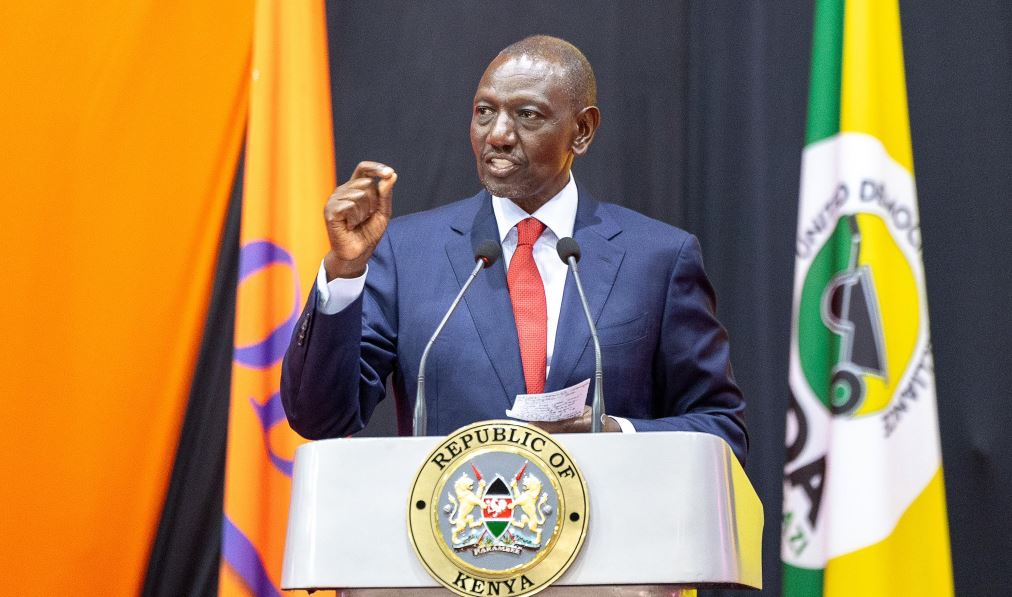
“I need a job. I’m asking His Excellency William Ruto to consider those who were in government at one given time,” he appealed. “We are all Kenyans, and the President should take care of all of us.”
Amaswache’s predicament highlights the precariousness of political life in Kenya: yesterday’s privilege can swiftly become today’s struggle. However, it’s still comes as a puzzle to Kenyans used to politicians living lives of opulence even after they leave office.
He warns those still in power to remember that authority is fleeting. “My advice to those in power is to respect and protect those who previously served in office. Today you could be in office; tomorrow you could not,” he cautioned.
He went on to paint a vivid picture of how alliances evaporate once the trappings of power disappear: “When you’re in power, everything looks flashy, everyone respects you. But when you are out of power, that’s when you discover the true reflection of things. People will not pick up your calls because they don’t need you.”
Now eking out a modest income supplying firewood, Amaswache remains hopeful for an opportunity to return to public service or to secure private-sector work commensurate with his experience. In the meantime, he continues his humble enterprise in Luanda.