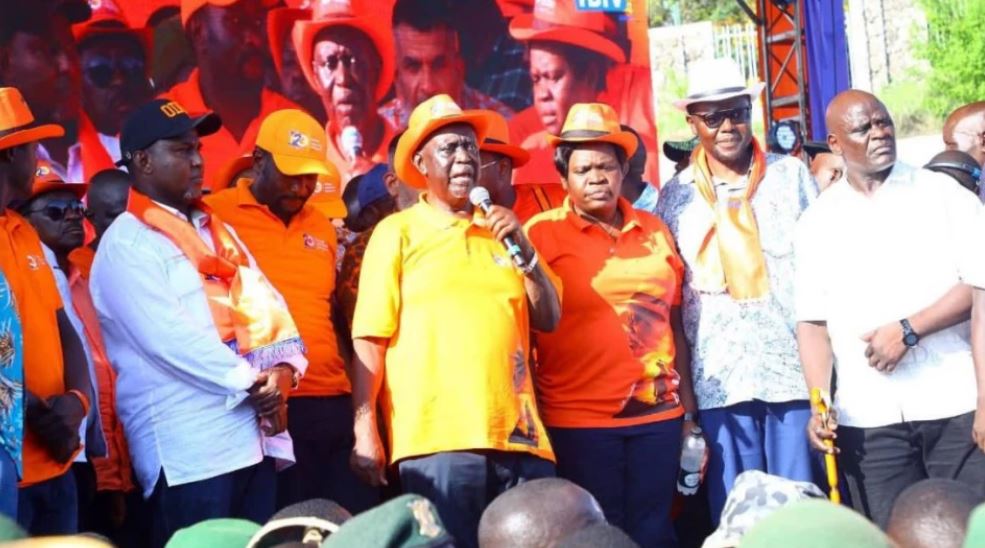


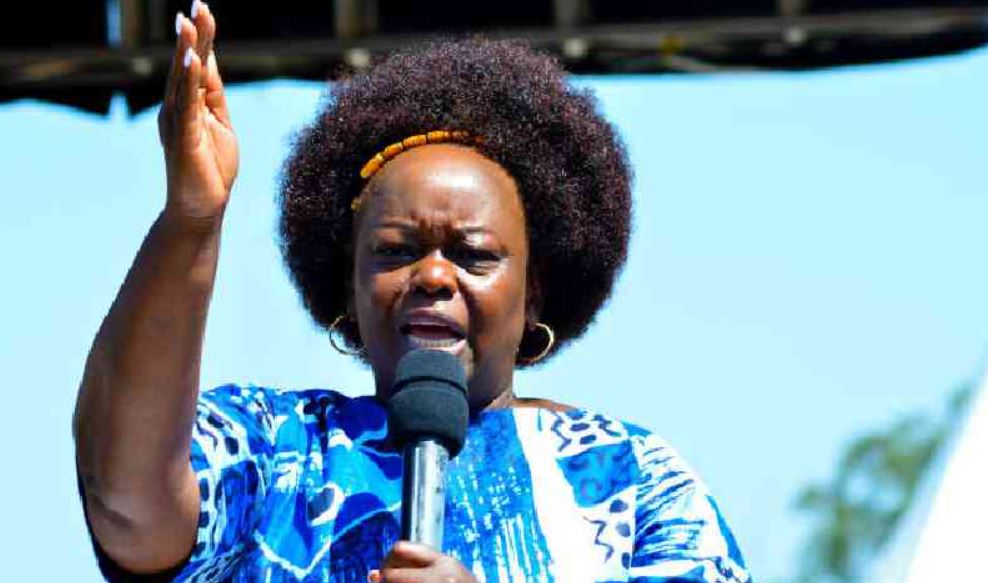
 The Orange Democratic Movement (ODM) is facing internal friction as leaders split over a controversial proposal to zone political regions ahead of the 2027 General Election. While some within the party support the strategy to consolidate strength, a vocal faction led by Suba North lawmaker Millie Odhiambo has rejected the move, aligning with the competitive stance typically held by the rival UDA.
During a press briefing, the dissenting legislators argued that any zoning agreement would likely face stiff resistance from both political leaders and the voters they represent. They cautioned that limiting candidate options through such deals ignores the democratic desires of the people.
“When we start pushing an agenda strongly of zoning, it means that we are putting our personal interests ahead of those of our constituents,” Odhiambo stated.
The MPs are now calling on the ODM top brass to urgently address these concerns. They warned that implementing a zoning system in 2027 could destabilize the current broad-based political arrangement and alienate key allies. These leaders advocate for a liberal electoral process, insisting that every party should remain free to field candidates across the country to ensure a truly competitive and representative democratic contest.
The dissenting legislators argued that political parties must embrace open nominations rather than enforcement-based zoning, which they believe threatens the foundations of multiparty democracy. They insisted that elected officials should welcome competition rather than hide behind restrictive political agreements, provided they have successfully delivered on their mandates.
“If I have worked for my constituency, I should not fear meeting any opponent,” Odhiambo stated.
This internal rift comes at a time when the broader ODM leadership is pushing for a 50-50 power-sharing arrangement with the ruling party, including the deputy president position.
Clarifying her stance, Odhiambo noted that she shared these views as an individual representative rather than a spokesperson for the party’s National Executive Committee (NEC).
“I did not attend the party’s NEC meeting, so I am not sure whether there is an official party position on zoning. I will speak from my personal position,” she clarified.
Despite the ongoing negotiations at the top level of the party, these MPs maintain that ODM remains a political powerhouse capable of competing in every corner of the country without needing formal zoning protections. They asserted that the party’s historical success relies on its national popularity and ability to field candidates everywhere.
“ODM is a strong and popular party which has always managed to successfully front candidates across the country without any formal form of zoning,” Millie stated.
She concluded her address by urging her parliamentary colleagues to prioritize accountability to the electorate over complex political arrangements. She maintained that representatives must focus on demonstrating their achievements to the people they serve rather than obsessing over party-level seat distribution.
“We need to listen to the public and show what we have done for them. Leadership should not be about avoiding competition,” she stated.