





Audio By Vocalize

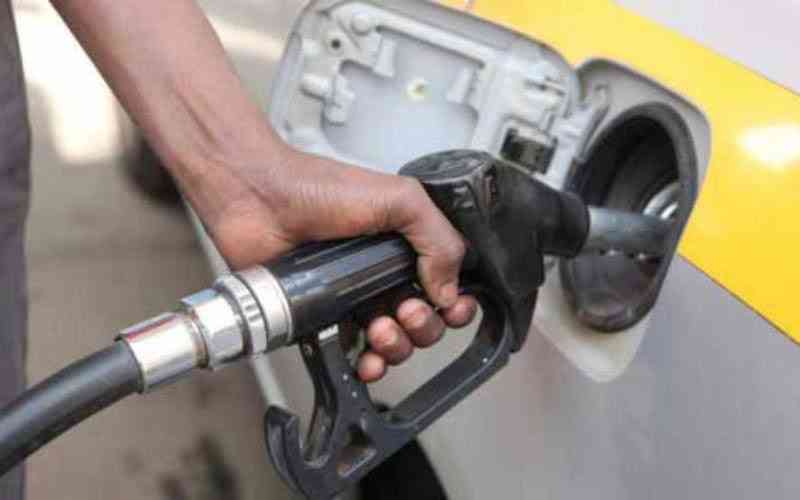
Kenya’s petrol reserves can only last 16 days.
A report by the Ministry of Energy, seen by The Standard, shows that as of Monday, March 30, the country had 138,623 metric tonnes of petrol in stock. Diesel stocks were projected to last 19 days, while jet fuel reserves stood at 49 days.
This means that as of April 2, the remaining stocks would last approximately 13 days for petrol, 16 days for diesel and 46 days for jet fuel.
The figures come despite government assurances that the country has sufficient reserves and measures in place to avert a fuel crisis.
President William Ruto recently said the government had engaged key stakeholders to address oil pricing and disruptions in the global supply chain, to cushion Kenyans from immediate shocks.
According to the President, agreements with state-owned suppliers in Saudi Arabia and the United Arab Emirates, in place since 2023, have helped stabilise local prices and ensure supply, even amid heightened tensions in the Middle East following attacks involving Israel and the United States and Iran.
The Ministry of Energy report indicates that Kenya is expecting fresh fuel deliveries between March and April. Imports of 290,000 metric tonnes of super petrol are projected to last 47 days, while diesel shipments are expected to cover 20 days and jet fuel 25 days. Additional imports are anticipated between May and July.
Most of Kenya’s fuel is sourced from the Middle East, with imports typically arriving in cycles of about one and a half months.
However, the ongoing conflict in that region, including disruptions linked to the Strait of Hormuz, a key global oil transit route, has cast uncertainty over supply chains, with the status of expected shipments remaining unclear.
Treasury Cabinet Secretary John Mbadi has, however, urged calm, assuring Kenyans that the government has mechanisms in place to stabilise prices.
“The prices might not go where they think. It is a difficult time, and in most countries prices have gone up by as much as 30 per cent. But here, even if there is an increase, we will use our mechanisms to stabilise them. There is no need to panic; we are in charge,” Mbadi told the National Assembly Finance Committee.
In its latest monthly review, the Energy and Petroleum Regulatory Authority (EPRA) maintained fuel prices, with the government expressing optimism that stability will hold despite global pressures.
Across Africa, however, countries have responded differently to the fuel crisis.
In South Africa, the government reduced its fuel levy for one month to cushion consumers from rising costs.
Stay informed. Subscribe to our newsletter
Ghana increased fuel price floors for the April 1 to 15 pricing window, pushing petrol prices up by about 15 per cent and diesel by roughly 19 per cent.
Malawi implemented steeper hikes, raising petrol prices by 34 per cent and diesel by 35 per cent, while Tanzania also adjusted fuel prices upward by about 33 per cent in March.