



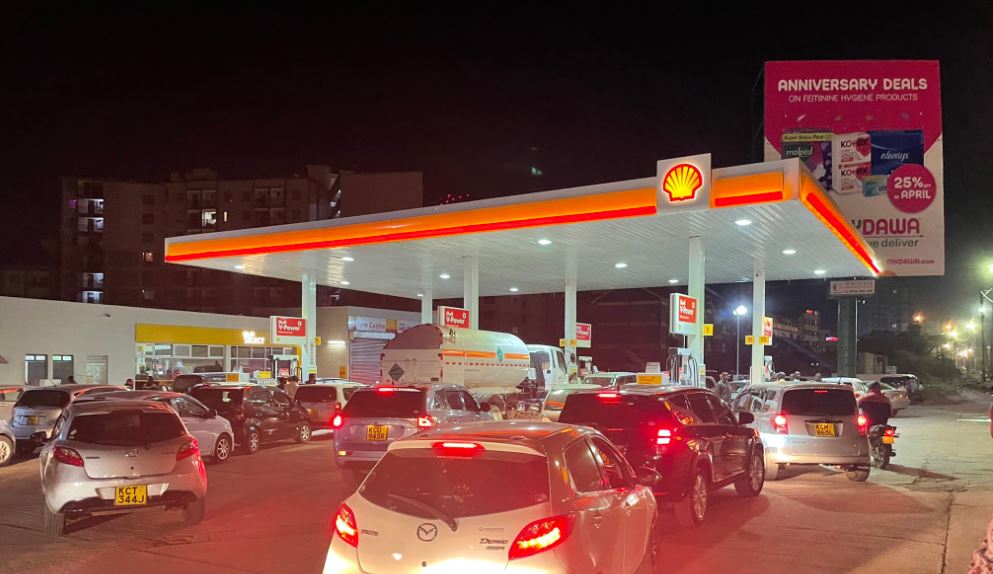
 The Ministry of Energy and Petroleum has assured the public that the country holds enough petrol to last for several days, dismissing fears of an impending fuel crisis.
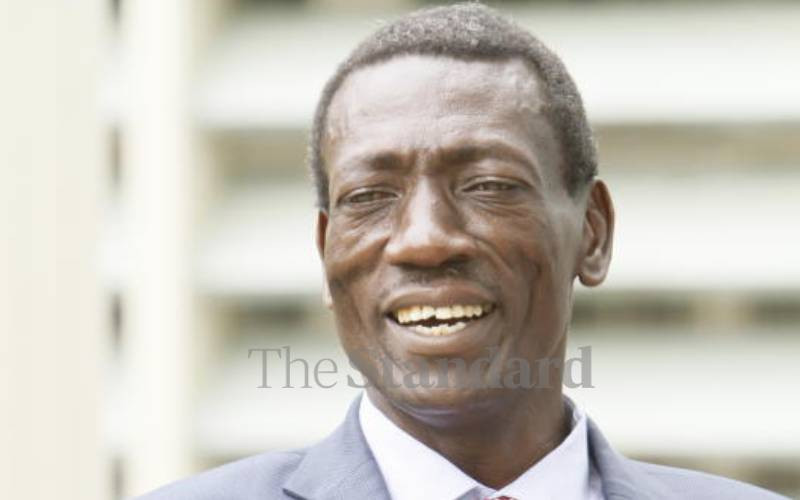
In a statement sent to Belgut MP Nelson Koech during a live interview on Monday, March 23, 2026, Petroleum Principal Secretary Mohamed Liban confirmed that the government maintains sufficient reserves to meet national demand.
According to the statement, the recent shortages reported in parts of the country are primarily the result of oil marketers hoarding fuel. These dealers are reportedly anticipating a supply crunch due to the intensifying conflict in the Middle East.
“We have sufficient stock in the country, and we had an operational issue with super petrol. In the run-up to the weekend, we have seen a daily rise in petrol prices over the last two weeks because of speculation and panic buying,” the statement from the PS read.
Amid widespread worry and a week of panic buying, the PS assured the public that the Energy and Petroleum Regulatory Authority (EPRA) is moving to fix the situation and force oil marketers to resume normal petrol supplies.
Liban also confirmed that over 100 million litres of super petrol arrived in the country as of Thursday, March 19, 2026. This stock should cover national needs for the next two weeks.
“The EPRA is currently dealing with hoarding by oil markets due to the anticipation of price jumps. On the supply side, many oil marketers who were lean on Thursday could have exacerbated the situation. Over 100 million litres of super petrol hit the system, and for more than 10 days, consumption is expected to ease the situation.”
While the PS offers reassurance, the global landscape remains volatile. Crude oil has surged past $110 per barrel following the effective closure of the Strait of Hormuz in Iran.
EPRA reported that the landed cost for imported petrol rose by 1% recently, while diesel and kerosene saw much sharper jumps of 8.46% and 6.79%, respectively. Despite these rising costs, EPRA has kept Nairobi pump prices steady at KSh 178.28 for petrol and KSh 166.54 for diesel for the current cycle ending April 14.
The government’s price stabilization fund is currently working overtime to keep costs down. EPRA’s latest data shows it is subsidizing every liter of diesel by KSh 6.53 and kerosene by KSh 6.66 to prevent these global spikes from hitting your wallet.