


Rural Electrification and Renewable Energy Corporation (REREC) is intensifying efforts to achieve universal electricity access in Kenya, in line with the government’s target of connecting all households to power by 2030.
Through ongoing grid expansion and programmes such as last-mile connectivity, more rural and underserved communities are being targetted for connection unlocking opportunities for economic growth, job creation, and improved livelihoods.
The initiative is expected to enhance access to essential services, including healthcare and education, while supporting small businesses that depend on reliable power.
The push for equity in the energy sector has seen the lives of 89,000 residents uplifted in Western Kenya region counties of Bungoma, Busia, Kakamega and Vihiga from 889 joint rural electrification projects by REREC and KPLC worth Ksh.6.29 launched this week by President William Ruto who is on a five day development tour of the region.
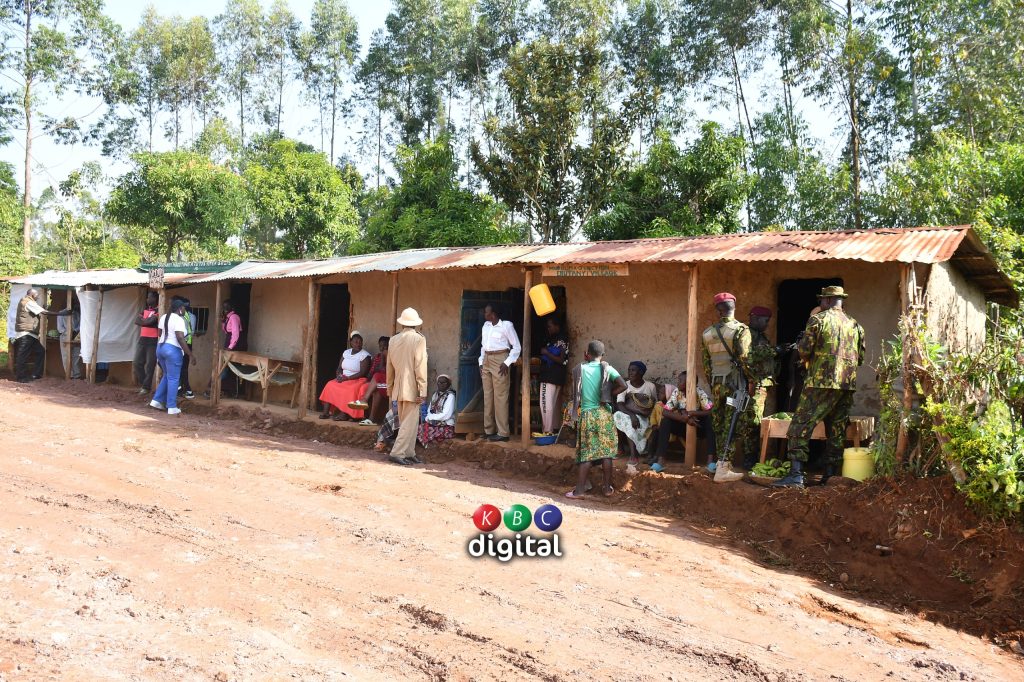
In Shirandu, Khiswero constituency, Kakamega thousands of residents are full of praise after years of darkness and slow development.
President William Ruto will flag off materials for Ksh 325 million Last Mile Connectivity programme 4,907 additional customers to benefit from 34 projects by REREC and KPLC.
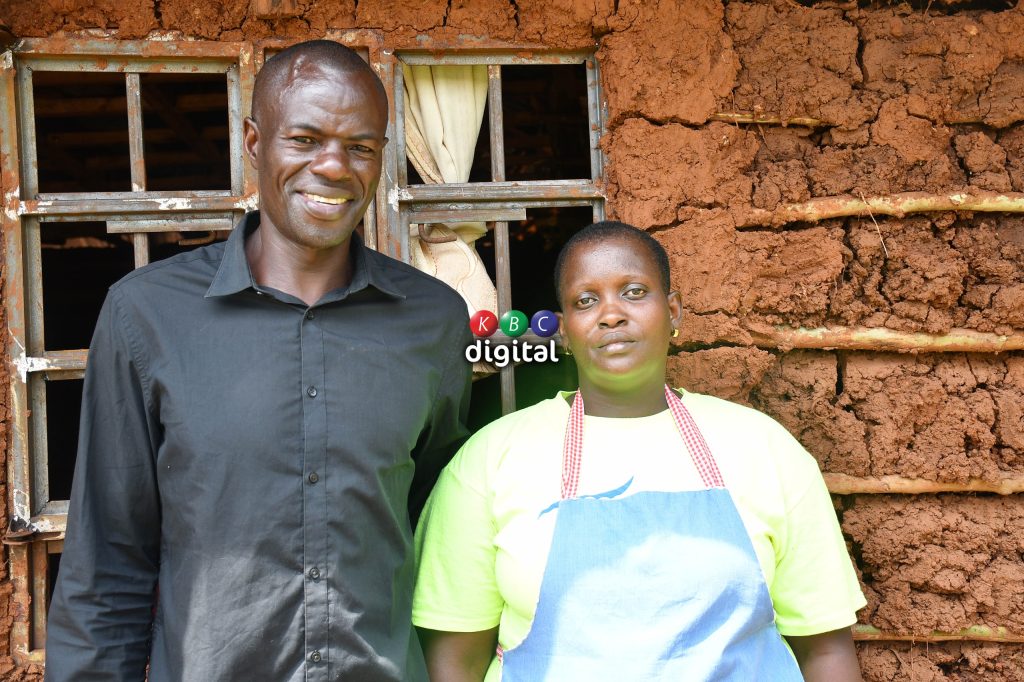
“We have waited many years for this day. We are grateful to the government through REREC for extending electricity even to the most remote areas. This project has given us a new lease of life. Quality of life will improve, and many businesses are set to thrive.” Shadrack Olaka says.
The community is now enjoying a range of clean energy solutions, alongside improved security and the convenience of automated tasks that come with electricity access.
For the youth, connection to the national grid offers a pathway to employment, opening up opportunities for entrepreneurship and skills development.
The connectivity in rural areas is aimed at boosting economic growth and creating jobs, as many projects and income-generating activities depend electricity supply.
Universal goal
Since inception REREC has financed rural electrification projects worth Ksh.150 billion mainly from Exchequer (85%) complemented by development partners (15%) while electricity access has grown from 4% in 2008 to over 75% currently.
Matching fund facility
County governments are key stakeholders as they collaborate with REREC to accelerate rural electrification in priority areas
Through the partnership REREC matches contributions from constituencies and counties to a maximum of KShs.5Million per constituency for implementation of the projects.
“Under the arrangement, we have already entered into framework agreements with various Counties to implement specific electrification projects in their areas”, REREC says.
Participating counties include Kitui, Kakamega, Makueni, Kiambu, Kitui, Vihiga, Busia, Nyandarua, Meru, Nyeri, Embu, Machakos, Kisumu and Bungoma among others have embraced this programme
Cumulatively, about 1,400 projects worth KShs.4.08billion have been financed under the matching fund initiative
Mire counties and constituencies have expressed interest in partnering with REREC under the programme.
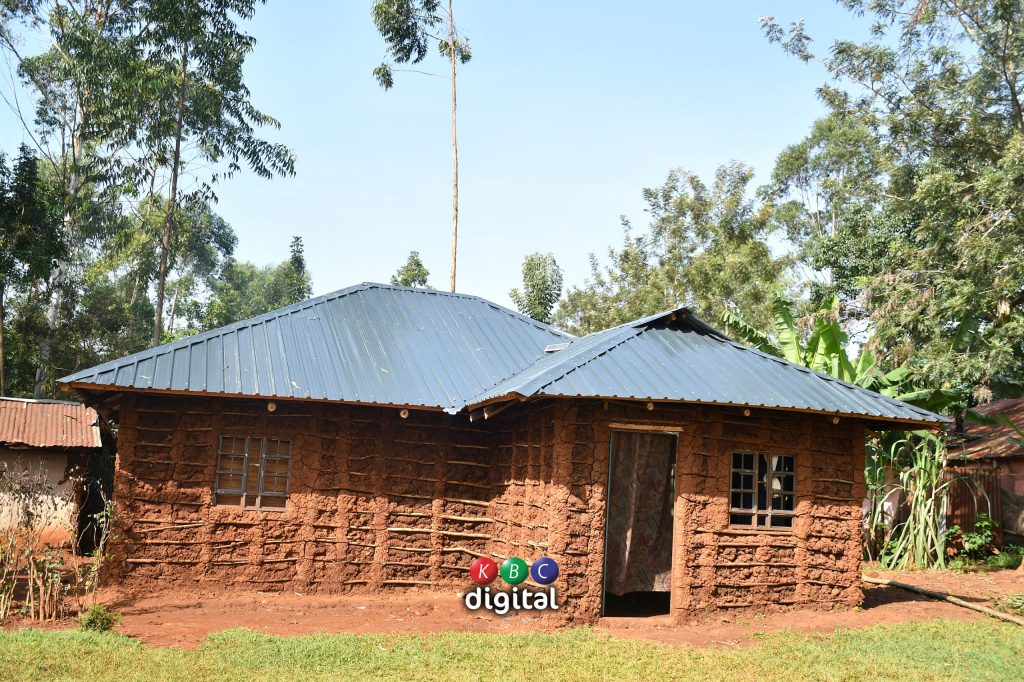
Focus on Kakamega
Kakamega county and various constituencies have contributed a total of Kshs.135 Million under the matching fund facility between 2017/18 and 2025/26 financial years
“This has attracted amount of Ksh.130 Million from REREC; utilized in funding additional 77 projects at combined total cost of Kshs. 265 Million” says REREC.