




 Nairobi Governor Johnson Sakaja appeared before the Senate’s Devolution and Intergovernmental Relations Committee on Wednesday to protect the legality and intent of a landmark cooperation agreement between the city county and the national government.
Facing intense scrutiny from senators over financial accountability and public participation, Sakaja framed the partnership not as a surrender of power but as a long-overdue necessity for Kenya’s capital.
A Modern Framework for a Global City
Sakaja dismissed concerns that the agreement violates the law, describing it instead as a structured framework common in major metropolises worldwide. He argued that the unique status of Nairobi requires resources far beyond the standard county allocation.
“First, what we have as an agreement is not new internationally. Every first-world city has such an arrangement. This cooperation is long overdue. I have spoken about it even when I was the senator of Nairobi. We need more money. Nairobi is different; apart from being a county, it is the face of Kenya as the capital city,” he explained.
To illustrate the funding gap, the governor pointed to the French capital as a point of comparison for urban management.
“The allocation of the City of Nairobi as a county is hardly enough to put the city at an international level. Paris has a budget of 1.5 trillion shillings with two million people. Nairobi, with seven million people, has only about Sh45 billion. To be where Paris is, we need more money,” he said.
Collaboration vs. Transfer of Power
A key point of contention during the session was whether the pact mirrored the previous Nairobi Metropolitan Services (NMS) era. Sakaja clarified that this agreement does not constitute a formal transfer of functions under Article 187 of the Constitution, which would require a deed and a separate entity.
Instead, he noted that the county remains in the driver’s seat while the national government provides critical development muscle. This collaboration is already yielding results; the state recently released Sh1 billion for classroom construction, and a massive Sh50 billion project is underway to rehabilitate the Nairobi River and modernize the city’s aging sewer infrastructure.
“As a Governor, why should we struggle with this budget when the law provides for cooperation? We embraced it,” Sakaja said, adding that “lighting is a security issue of the national government. This collaboration will sort that.”
Addressing the Public Participation Debate
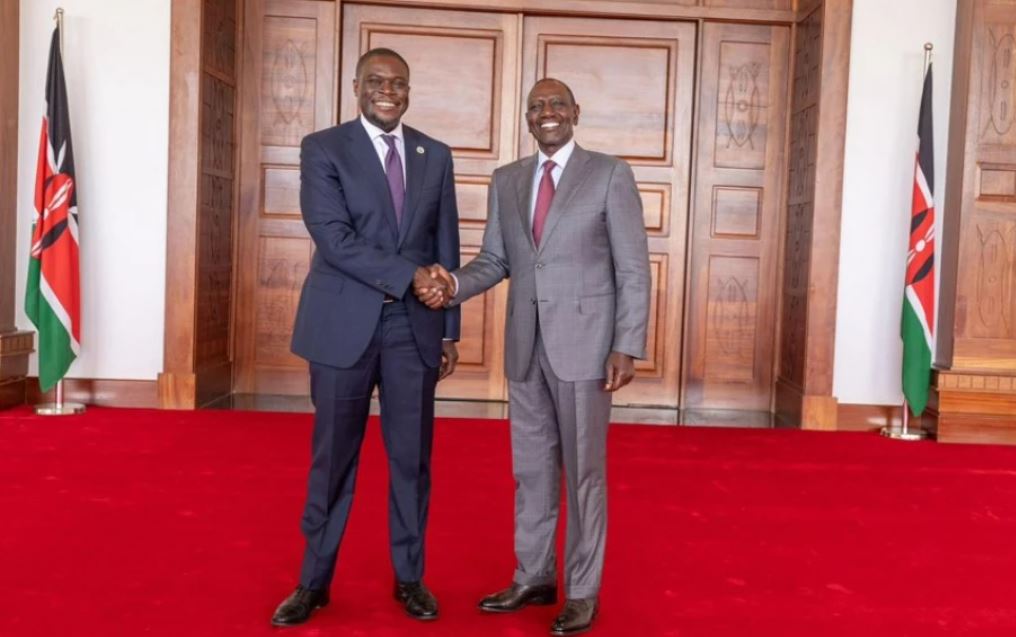
Senators raised red flags regarding the lack of public participation before the signing of the agreement between the county and President William Ruto’s administration. Sakaja countered by stating that the requirement for government levels to cooperate is already a “sovereign will” embedded in the Constitution.
“The Constitution uses the mandatory language ‘shall cooperate’ under Section 6 of the Urban Areas and Cities Act. That directive already reflects the sovereign will of the people as captured in the Constitution. When the people have already spoken clearly through the Constitution, does every cooperation framework require fresh validation?” he posed.
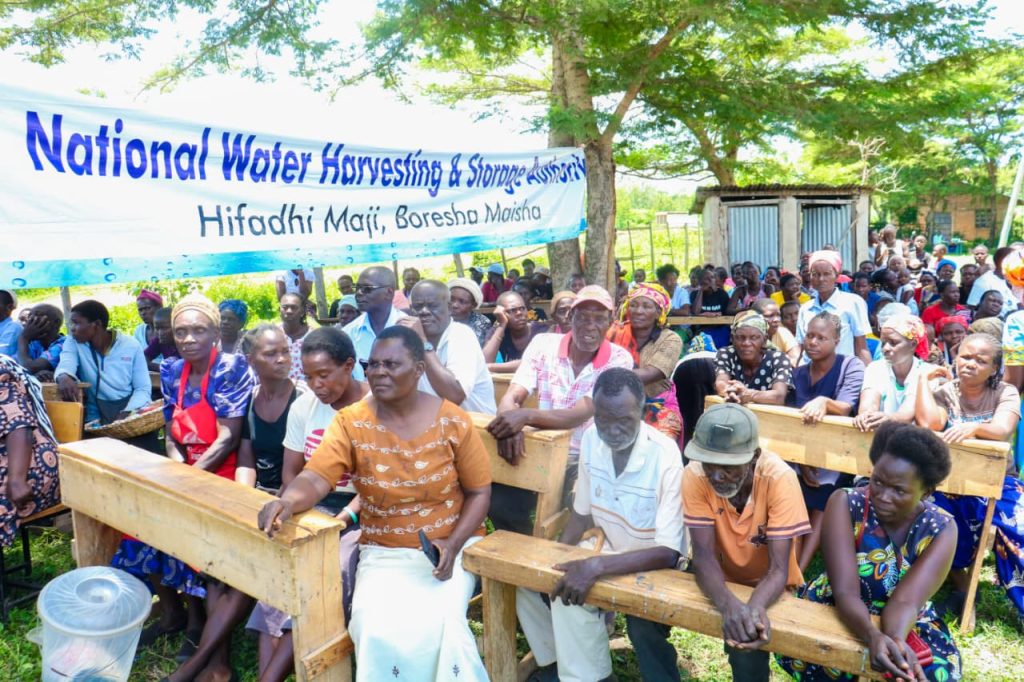
While Sakaja stood by the legal foundation of the pact, the Nairobi City County Assembly has since launched its own public participation forums at Charter Hall and across all 17 sub-counties to ensure residents have a voice in the process.
Who Watches the Money?
With Sh80 billion on the line, senators questioned how the funds would be monitored. Sakaja assured the committee that existing constitutional safeguards remain active. He explained that the National Assembly will oversee funds under national structures, while the Senate continues its mandate to protect devolved interests.
“Oversight is a constitutional mandate of Parliament. Funds under national government structures are overseen by the National Assembly. Matters touching on devolution fall within the mandate of the Senate. So if any monies are lost, there is a clear way to address that,” he explained.
The Senate committee will now review the governor’s submissions before presenting final recommendations on the partnership that aims to transform Nairobi into a world-class city.