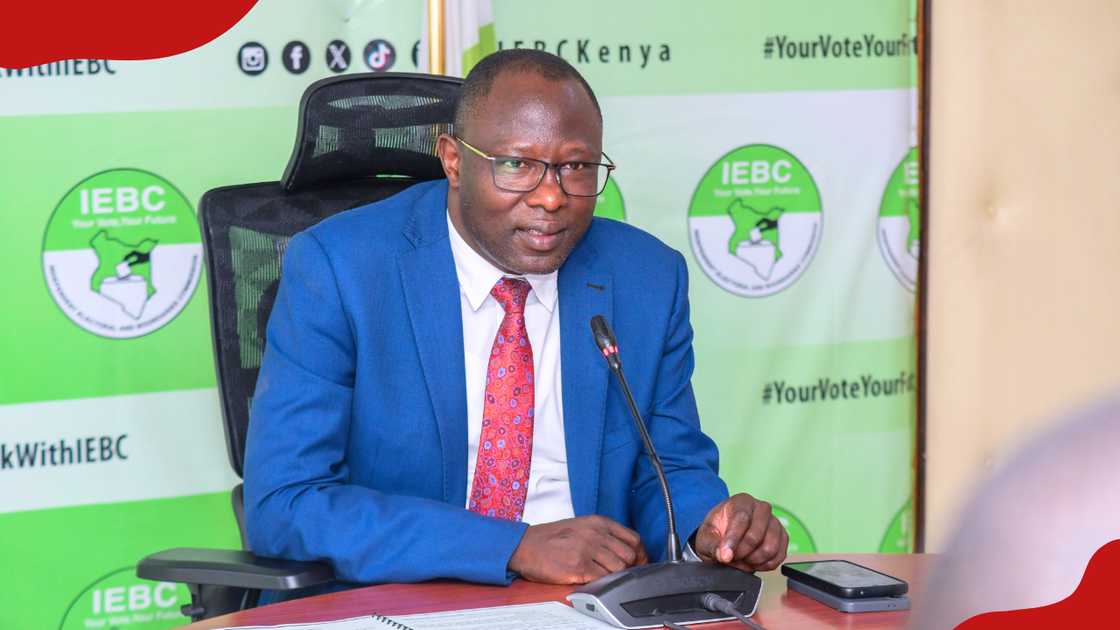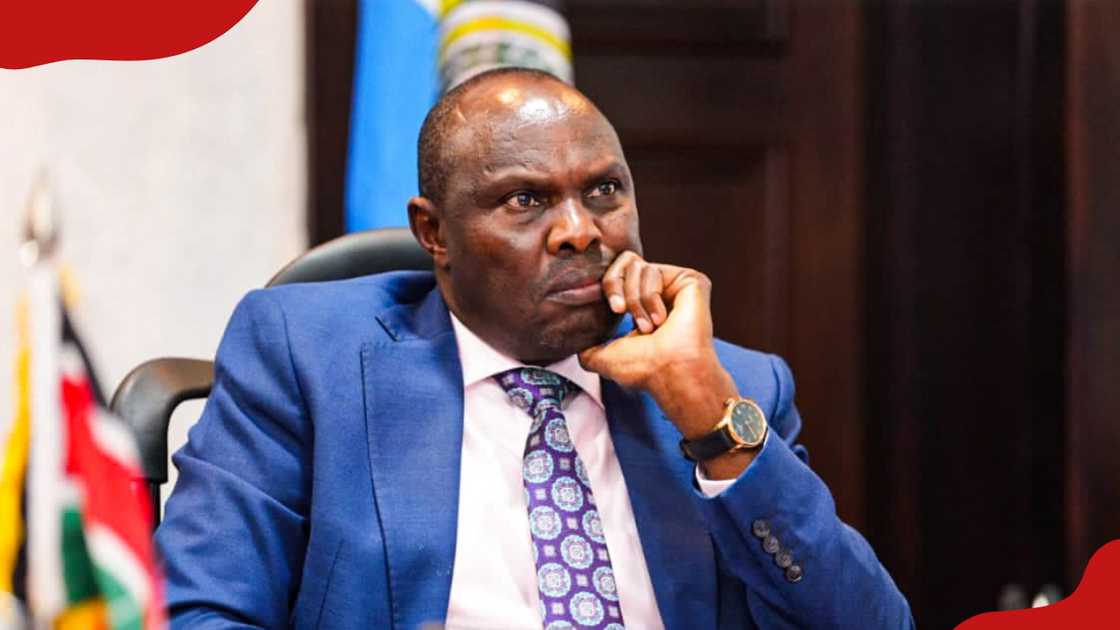





- Polycarp Miyogo, a member of the Seventh-Day Adventist (SDA) Church and former KDF officer, won KSh 8 million compensation after he was illegally imprisoned and fired for attending the church
- The Court of Appeals ruled that military service does not override constitutional rights to religious freedom
- Miyogo had served for a decade with sabbatical allowances before his supervisor revoked them, resulting in a court-martial, prison sentence, and cut wages.
A Kenya Defense Force (KDF) officer who was fired in 2012 for observing Sabbath has yet to win a legal battle against his former employer.
Source: Facebook
KDF has been ordered to compensate Polycarp Miyogo KSh 8 million after illegally imprisoning him and dismissing him from his job for attending church on Saturday.
Miyogo, an affiliate of the Seventh-Day Adventist (SDA) Church, had been allowed to worship on Saturdays for ten years without any problem until 2012, when his supervisor suddenly revoked the allowance.

What was the decision of the Court of Appeal regarding the case of Polycarp Miyogo?
Despite offering alternatives such as working part-time or arranging for someone else, Miyogo was brought to court, jailed for 42 days, and later released.
The Court of Appeal ruled that military service does not negate a person’s constitutional right to freedom of religion.
In 2013, Miyogo filed a case in the Employment and Labor Relations Court against KDF’s actions.
He told the court that since he joined the force in 2002, he had been regularly allowed to attend church on Saturdays, until that changed a decade later.
On 31 May 2012, Miyogo asked for permission to attend church as usual, but his immediate supervisor refused. He initially complied but made another request in June, which was also rejected.
Why was Polycarp Miyogo punished by KDF
Despite being fired multiple times, Miyogo continued to attend church on Saturday in June, a decision that led to disciplinary action.
“He said that in his first ten years of service he would ask permission in advance to worship whenever he was on duty on the Sabbath, and the rider that if a distress call was given he would always respond as part of his teaching as a Christian. The supervisor refused to give permission for the first time in ten years of his service,” his petition read in part.

Although Miyogo had volunteered to report to work in the event of an emergency, his repeated requests were denied, causing him to attend church without official permission.
This angered his superiors, and they issued a warning.
“The petitioner went to worship without permission and reported to work immediately after worship at 1800 hours. This was a security day for the petitioner, and the commander of the guard prosecuted the petitioner for failing to attend work in the morning and he was given a warning,” Miyogo’s petition continues.
Believing he would still be allowed to worship, Miyogo served his sentence, which led to further disciplinary action.
He was brought to court for not reporting to work on Saturdays, sentenced to 42 days in jail, and six days’ wages deducted.

Source: Facebook
Miyogo later sued the Ministry of Defense and the Chief of Defense Forces (CDF) who was serving at the time.
In his petition, he sought at least nine remedies, including a declaration that his imprisonment and wage deductions were unconstitutional, and damages for wrongful imprisonment.
How the Court of Appeal awarded Polycarp Miyogo
Judge Pauline Nyamweya ordered Miyogo to be paid KSh 5 million by the KDF and the Ministry of Defense as general compensation, while the court accused them of violating his right to freedom of religion and worship.

The court also awarded him KSh 3 million as exemplary damages, which will be settled by the KDF and the Ministry of Defence.
The case found itself in the court of appeal after the Ministry of Defence, KDF and the Attorney General of the Government appealed against the decision of the ELRC, saying that the requirements of military discipline and operational requirements are more important than religious practices, and that the court abused constitutional protection when evaluating the case within the military service system.
Having joined G4S in 1992 as a staff records clerk, Mutisya rose to become a resource manager over a 25-year career.
His employment was abruptly terminated following a disciplinary hearing he described as unfair, prompting him to seek legal redress in court.
Read ENGLISH VERSION
Do you have an exciting story that you would like us to publish? Please contact us via news@tuko.co.ke or WhatsApp: 0732482690.
Source: TUKO.co.ke