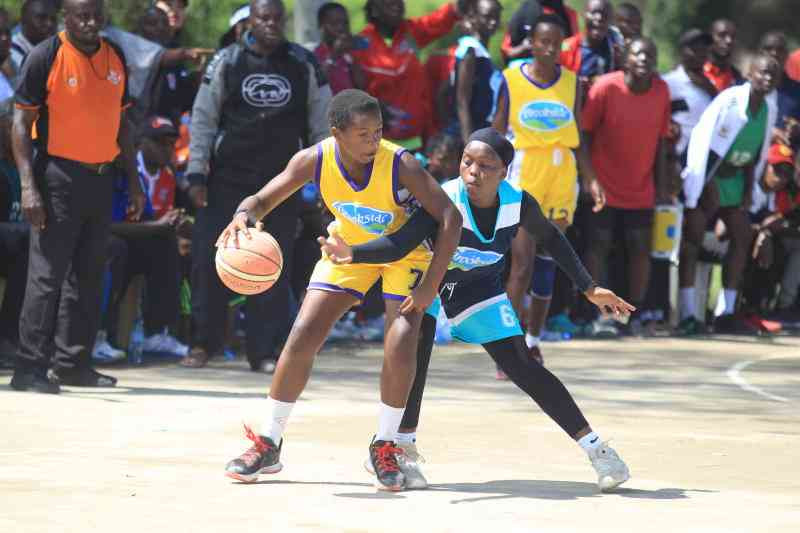






 Basketball is reshaping the sporting identity of Africa. From the remarkable rise of the Basketball Africa League (BAL) to the increasing presence of African players in the NBA and global leagues, the sport has become a symbol of growth, unity, and opportunity.
It is not just a game anymore—it is a movement driving economic transformation, inspiring youth, and shaping a new chapter in African sports history.
The rise of the Basketball Africa League and its regional impact
The Basketball Africa League (BAL) was founded in 2019 through a collaboration between the NBA and FIBA, with its inaugural season held in 2021. The league features 12 elite clubs representing different African nations, creating a competitive, pan-African structure.
The 2025 season set new records, with more than 140,000 fans attending 48 games. The 2024 final in Kigali saw Petro de Luanda defeat Al Ahly Ly 107–94 to become the first Sub-Saharan champions.
Prize money in the league’s first year reached $100,000 for the champion, $75,000 for the runner-up, $55,000 for third place, and $25,000 for fourth. BAL games are now broadcast in 215 countries and 14 languages, displaying Africa’s basketball talent to the world.
The league has expanded its geographic footprint, hosting 2025 group stages in Rabat, Dakar, and Kigali, and holding the playoffs in Pretoria—the first-time finals took place outside Rwanda. This expansion underscores the league’s ambition to reach every corner of the continent.
The BAL has also fueled investment in training centers, arenas, and club operations, creating 37,000 direct and indirect jobs across Africa since 2020. Economically and socially, it has become one of Africa’s most impactful sports projects.
Athletically, 2025 standout performances included Teafale Lenard averaging 22.7 points per game, Assem Marei pulling down 12.4 rebounds per game, Cameron Parker dishing 7.8 assists, and Madut Akec hitting 48.8% from three-point range. Al Ahli Tripoli led all teams with an average of 95.7 points per game. These achievements highlight how African basketball is producing elite talent ready to compete globally.
As African players continue to dominate highlight reels and redefine the sport globally, fans tracking NBA and BAL matchups can explore opportunities like the FanDuel promo to stay connected to the excitement surrounding each new lineup and season.
Profiles of top African players in the NBA and abroad
Cameroon’s Pascal Siakam remains one of the brightest African stars in the NBA. Selected 27th overall in the 2016 draft, Siakam became an NBA champion with Toronto in 2019 and a three-time All-Star. His four-year, $188.95 million contract with the Indiana Pacers—guaranteed with an average annual salary of $47.24 million—reflects the global value of African talent.
South Sudan’s Khaman Maluach made history in 2025 as the 10th overall NBA Draft pick, becoming the highest-drafted player to emerge from the BAL. Cameroonian prospect Ulrich Chomche followed, drafted 57th in 2024 and signing a two-way deal with the Toronto Raptors after graduating from NBA Academy Africa.
These players symbolize Africa’s evolving basketball identity—not just as a source of raw athleticism but as a well-developed ecosystem capable of producing world-class professionals. Siakam’s success story underscores this shift, representing the NBA’s growing return on its African investment.
With salaries like Siakam’s $189 million deal, African athletes are no longer undervalued—they are setting market standards. Their stories encourage a new generation of African youth to see basketball as a legitimate path to global success.
Many players also give back to their communities through training camps and youth programs, creating a sustainable cycle of inspiration. This ecosystem ensures Africa remains not only a source of global talent but also a region fostering its own heroes and role models.
Grassroots basketball programs shaping the next generation
The foundation of Africa’s basketball revolution lies in its grassroots. NBA Academy Africa, based in Saly, Senegal, provides top-tier facilities with indoor courts, dormitories, and classrooms for both male and female athletes. It represents the continent’s most comprehensive talent-development program.
Through the Jr. NBA, more than 170,000 African youth have participated in basketball programs, gaining access to coaching and mentorship. The M-PESA Jr. NBA in East Africa alone engages over 10,000 boys and girls across Nairobi, Mombasa, Eldoret, and Kisumu.
Partnerships such as NBA Africa’s collaboration with Opportunity International have helped build basketball courts in Nairobi and Kigali, creating safe spaces for play and growth.
Telecom giant Africell’s multi-year partnership has expanded basketball access to The Gambia, Sierra Leone, Angola, and the DRC, bringing the game to millions of new fans.
Grassroots programs also prioritize coaching and referee development, as well as life skills like teamwork, respect, and leadership. The result is a steady flow of players transitioning from local courts to BAL clubs, college scholarships, and professional opportunities.
While challenges remain—particularly in funding and rural access—the long-term impact of these initiatives is undeniable. Youth programs are planting seeds that will define Africa’s basketball identity for decades, nurturing a generation that will not only play the game but shape its future on and off the court.
The cultural and economic ripple effects of basketball’s rise in Africa
Basketball’s ascent across Africa has become a cultural statement. Sport is emerging as a new symbol of unity, pride, and ambition across the continent, standing alongside football in influence and popularity.
The BAL alone has created tens of thousands of jobs through stadium construction, organization, tourism, and broadcasting. Cities like Kigali, Dakar, Pretoria, and Rabat benefit from increased tourism, media exposure, and infrastructure growth each time they host BAL events.
The league’s global reach—broadcast in 215 countries and 14 languages—means that African basketball now has a truly international audience. The exposure fuels sponsorships and corporate partnerships with telecoms, banks, and consumer brands eager to associate with the energy of African youth and sports culture.
The economic effects go beyond the game. Basketball drives entrepreneurship, media production, and local business activity wherever games are played. From jersey sales to hospitality, the ecosystem surrounding the sport is becoming a driver of urban and economic development.
Socially, basketball is empowering young Africans with structure, teamwork, and purpose. Programs focusing on girls’ basketball are fostering gender equality, while community-based initiatives are improving education and social inclusion. The sport is proving to be a powerful tool for development, using entertainment and athleticism to achieve broader social goals.
Africa’s basketball narrative is no longer about exporting talent—it is about creating sustainable local systems. From youth programs to professional leagues, the continent is building infrastructure, careers, and a self-sustaining sports economy.
As these efforts converge, Africa stands on the brink of becoming a global hub for professional basketball. The momentum is unmistakable, the vision is ambitious, and the legacy being built promises to echo across generations.
Africa’s basketball story is no longer a footnote in global sports—it is the main event. With visionary leagues, groundbreaking grassroots programs, and world-class athletes, the continent is redefining what it means to dream, play, and win.
Basketball’s African momentum is unstoppable, and its future is as bright as the stars it continues to create.