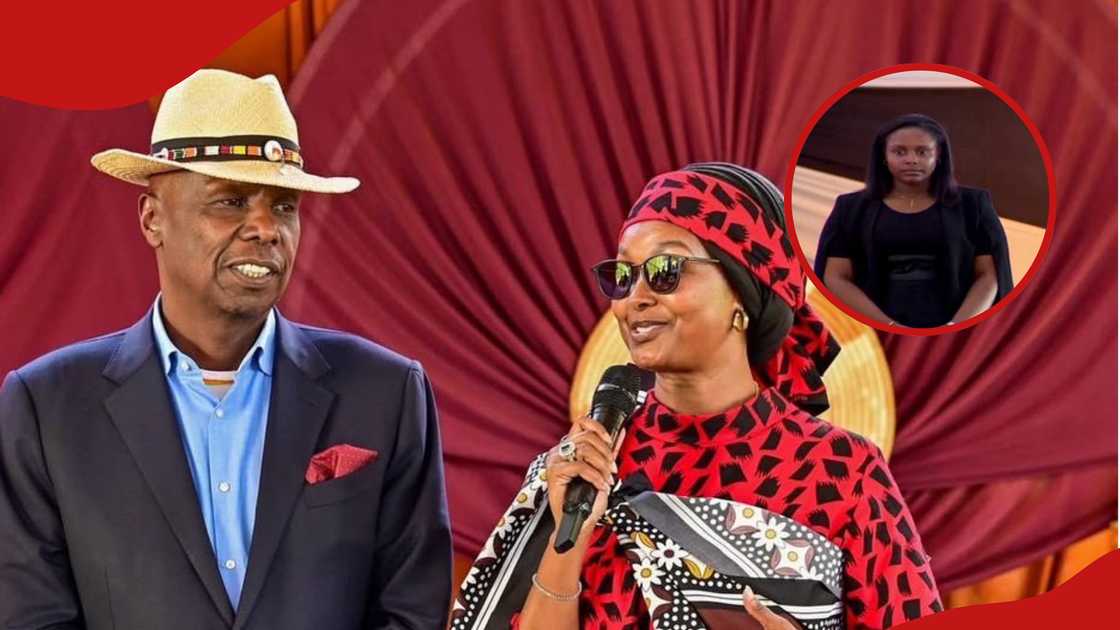
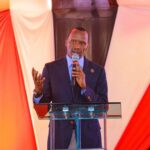





- Baringo Women’s Representative, Florence Jematiah, criticized free education, claiming to be the source of the decline in academic standards
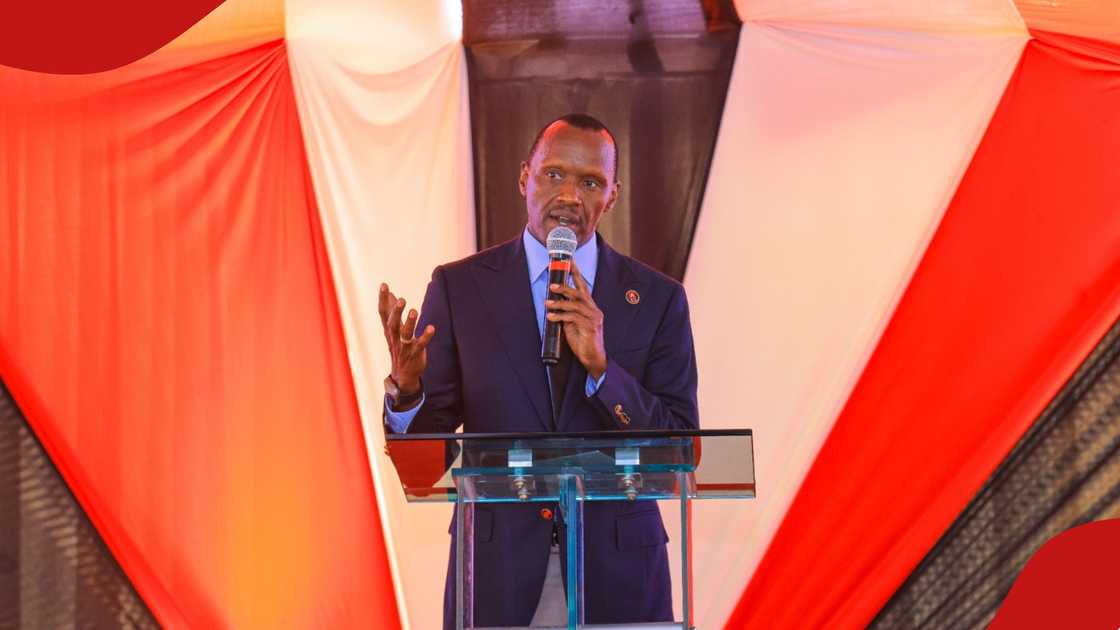
- The Minister of the National Treasury, John Mbadi, announced a reduction in funding for schools and examinations, citing budget challenges
- The advertisement led to strong opposition from the public and fears about the future of cheap education in Kenya
It all started with the Treasury Minister John Mbadi And it turned into a rapid national debate.
Source: Facebook
Baringo County Women’s Representative, Florence Jematiah, has sparked a heated debate after claiming that free education results in poor students and poor subjects.
His statement, which he made during an interview on the radio, has divided public opinion and revived the debate on the future of the Kenyan education system.
Jematiah claimed that the money used to finance free education is from the same treasury that is expected to the nation’s development.

“You provide free education to primary schools, but we still rely on tariffs. And this tax is what should enable us to make progress as a nation,” He said, implying that the dependency on taxpayers’ funds to fund free education could undermine development in other sectors.
In questioning the effectiveness of the current system, he claimed that free education reduces the quality of education.
“When you provide free education to students, do you get any quality? Because free education is not good,” He explained.
Asked if he believes that the education is paid for the best results, Jematiah did not hesitate to respond:
“Of course,” he replied, explaining that despite the government providing a bursary to students so that they could attend school, the move makes parents separate from their responsibilities.
“We give the children a bursary to go to school. But if you find out, when parents are given a bursary, they no longer look at their children. They don’t even know if their children are struggling at school or not,” he added.
His statements have faced fierce opposition from educational activists and parents, who say they do not take into account the challenges facing poor families.

Does the Government reduce education funding?
Jematiah’s statements come shortly after Mbadi announced a significant reduction in the education budget, including the reduction in Capitation funds for secondary schools and a plan to eliminate national exams funding.
According to the new policy, the amount of capitation for a high school student has been reduced from KSh 22,244 to KSh 16,900 – a step that may force schools to increase the cost of parents.
Mbadi explained that the measures have been fueled by financial pressure, budget shortages, and the need to have a sustainable education system.
He also expressed concern about the sustainability of the free primary education program, established in 2003 under the former President Mwai Kibaki.

Source: Twitter
What did Kenyans say about the government reducing education funding?
The actions have sparked a lot of anger among Kenyans, online and on the streets.
Kenyans flooded the X (formerly Twitter) and Facebook, expressing their sadness and accusing the government of abandoning the Constitution, which says that every child has the right to access free and necessary primary education.

One wondered:
“If there is still corruption and money laundering, why should we start paying for public education?”
Others directed the blame for air projects, the budgets, and the vague use of public funds, saying that these were the source of the educational funding crisis – and not the lack of money.
Read English version
Do you have an exciting information that you would like to publish? Please, contact us via news@tuko.co.ke or WhatsApp: 0732482690.
Source: TUKO.co.ke