


Imagine the rhythmic pulse of a Gikuyu village song echoing not through the foothills of Mount Kenya but through the hallways of Saghalie Middle School in Seattle, thousands of miles away in the United States.
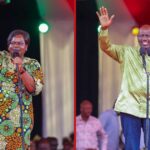
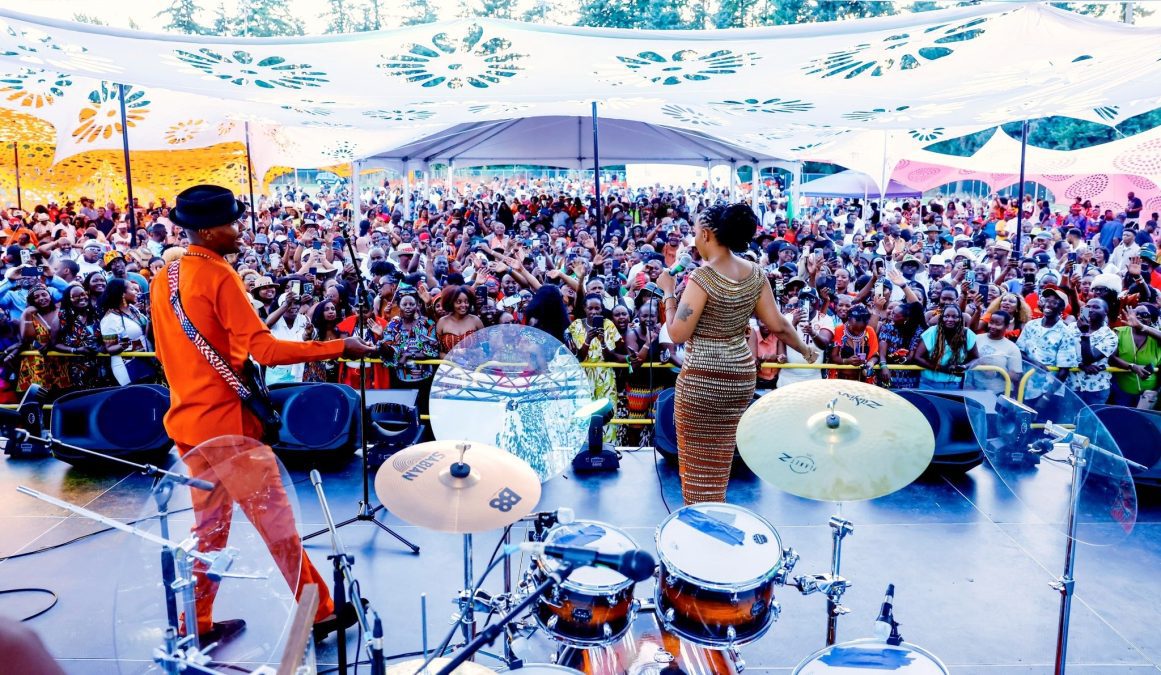
On July 12, 2025, the first edition of Ngemi Cia Ruraya—meaning “Songs of the Homeland”—brought together hundreds of Kenyans, mostly from the Kikuyu diaspora, for a night of music, dance, and cultural celebration.
But beneath the vibrant rhythms and nostalgic lyrics, a potent political undercurrent flowed, turning what was meant to be a simple cultural event into a platform for ambition, dissent, and power play.
The event, headlined by former Deputy President Rigathi Gachagua and People’s Liberation Party leader Martha Karua, raises a critical question: can the village song heal a fractured nation, or has it become another tool in the political arsenal?
Diaspora’s cultural lifeline
For Kenyans living abroad, Ngemi Cia Ruraya is more than entertainment. It is a cultural lifeline. With diaspora remittances totalling Ksh 546B in 2023, Kenyans abroad have become an economic powerhouse. But they are also grappling with identity loss, raising children who speak more English than Kikuyu, and facing pressures to assimilate.
Events like these serve as a bridge—reviving a heritage once disrupted by colonialism but now reimagined on global stages. The evening featured traditional dances, folk songs, and performances by popular figures like Kameme FM’s Muthoni wa Kirumba and mugithi star Samidoh, who kept the crowd entertained and emotionally tethered to home.
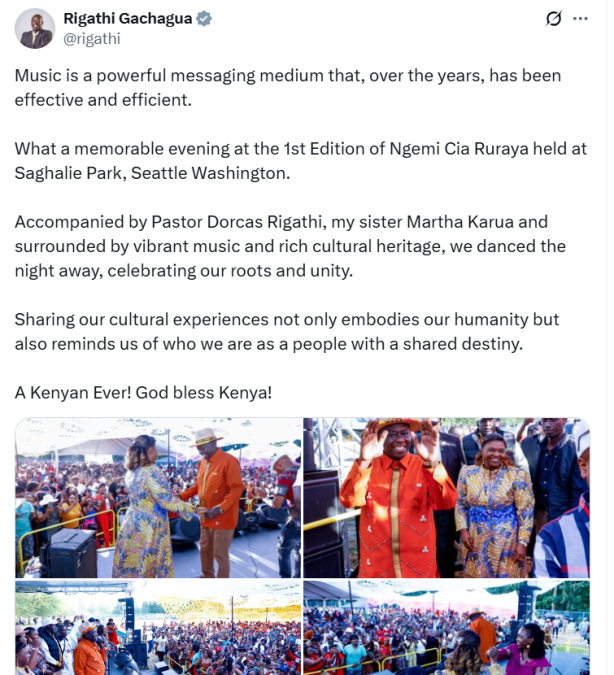
Former Deputy President Gachagua captured this sentiment in his X post: “Music is a powerful messaging medium… celebrating our roots and unity.”
Yet the question lingers: are these songs still sacred, or are they now political soundtracks?
Gachagua’s strategic dance
For Gachagua, this was more than a nostalgic evening. It was a calculated political move. After his impeachment in October 2024 following a dramatic Senate trial, Gachagua has struggled to find his footing. With no official platform back home, the diaspora offers fertile ground for a political comeback.
His appearance in Seattle—alongside Pastor Dorcas Rigathi and Karua—signals an attempt to reclaim relevance, not just celebrate culture. His social media posts painted a picture of unity and shared destiny, but replies were sharply divided.
For Gachagua, every song, every dance, and every handshake is part of a broader strategy. Is this a genuine embrace of heritage, or just another campaign disguised in cultural garb?
Karua’s purple hope
Karua brought her brand of political energy to the event. As the first speaker, dressed in striking purple—a colour she said symbolises hope and resilience—Karua set the tone for the night.
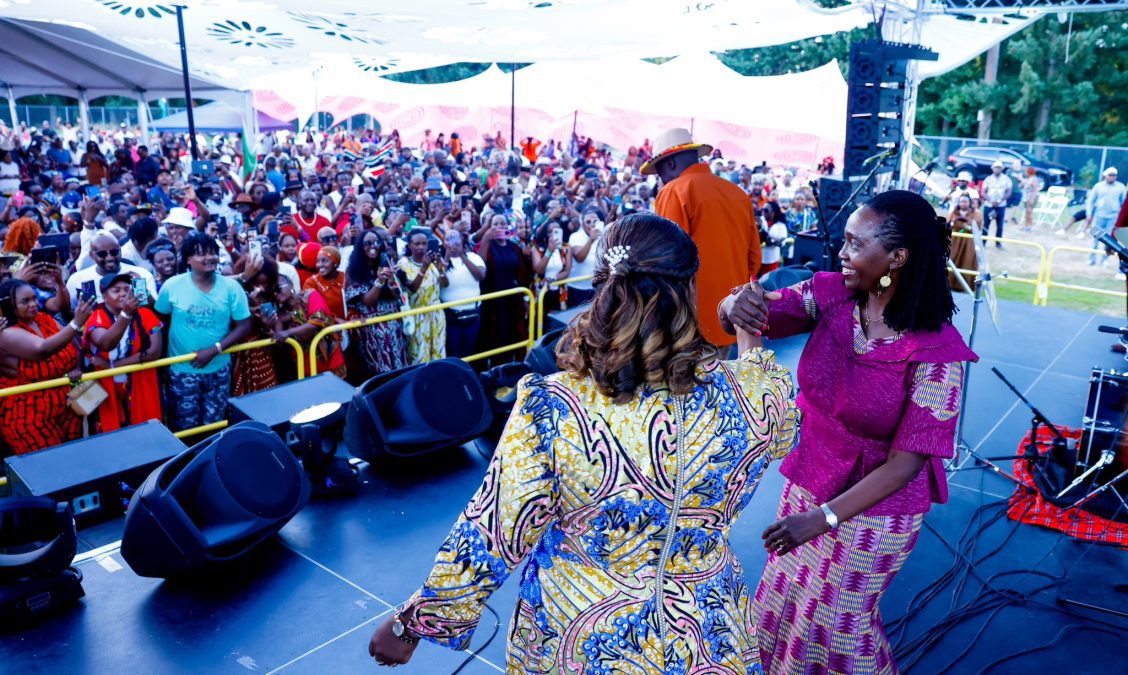
“First of all, looking at me, you can see what colour I am wearing—purple. It is the colour of hope. We need unity, and we need to correct the direction we are heading in,” she said.
Karua’s message was direct: change begins with citizens, not just leaders. But her critique of President William Ruto’s administration ignited the room.
“How many more must die so that Ruto can finish his one term? No more must die. “Ruto must go,” she declared, triggering loud chants of “Ruto must go!” from the crowd.
What began as a cultural evening quickly morphed into a diaspora protest rally, reflecting Kenya’s growing discontent over economic struggles, governance, and last year’s deadly tax protest crackdowns.
Karua’s 2022 vice-presidential bid alongside Raila Odinga may have failed, but her appearance at Ngemi Cia Ruraya suggests she’s still a political force to reckon with—possibly positioning herself for a future alliance that could defy traditional tribal lines.
Boundary between heritage and politics
This fusion of culture and politics is not new, but it remains risky. Kenya’s history is filled with leaders using music and tradition as tools for political messaging. The danger lies in weaponising cultural events, turning spaces meant for unity into platforms for ethnic mobilisation.
Ngemi Cia Ruraya was a celebration of Kikuyu heritage—but its Kikuyu-centric nature sparked fresh debates about tribalism in Kenyan politics, even in the diaspora.
Some argue that such events should be more inclusive, reflecting Kenya’s multicultural fabric rather than reinforcing ethnic silos. Others defend them as necessary spaces for identity preservation, especially for communities abroad.
A diaspora with power
The Kenyan diaspora is no longer just a source of remittances. According to a 2023 ResearchGate study, they are increasingly becoming political stakeholders, influencing elections and policy discussions back home.
Yet this influence can cut both ways. If diaspora leaders and politicians continue to play the tribal card, they risk exporting Kenya’s domestic divisions to global platforms.
In 2025, Kenya is at an inflection point. Economic pressures, political betrayals, and social unrest have left citizens craving leadership that transcends tribal affiliations.
The village song, once a communal bond sung under moonlit skies, now echoes through diaspora halls, carrying both hope and danger.
Gachagua’s optimism—”A Kenyan Ever! God bless Kenya!”—clashes with Karua’s urgent call for change, reflecting the nation’s complex crossroads.
The diaspora has a unique chance to lead, not just by sending money home but by shaping a more inclusive narrative. They can demand better governance, reject tribal politics, and push for unity beyond ethnicity.
But for that to happen, events like Ngemi Cia Ruraya must evolve. They must become spaces for broad civic engagement, not just nostalgic gatherings or political chessboards.
As Karua playfully told the DJ to play the right song, one can’t help but wonder—will Kenya choose the right tune for its future or keep dancing to the same old beats of division?