


President William Ruto has defended the controversial construction of a church within State House, Nairobi, insisting the project will continue as planned and that no taxpayer money will be used.
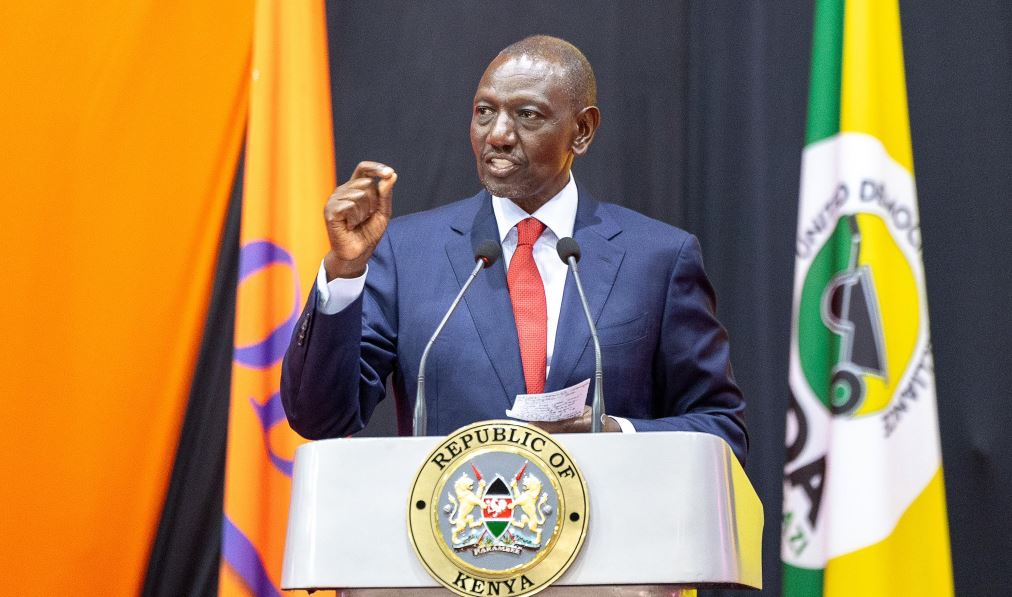
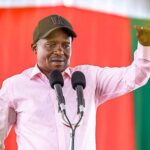
Speaking on Sunday, July 6,2025 during the 35th Diocesan Anniversary at St. Mark’s College, Kigari in Embu County the Head of State dismissed growing criticism from religious leaders and the public, reiterating that a chaplain already serves at State House.
“We already have a chaplain there. I heard one bishop asking, who will be the head of the church? We have a chaplain who I found already serving, and he is the one leading services even now,” Ruto said, adding that the church project is a personal initiative funded from his own resources.
The remarks came just days after Anglican Church of Kenya (ACK) Archbishop Jackson Ole Sapit raised serious concerns about the construction, questioning both its intent and its constitutional implications.
In an earlier statement, Ole Sapit had asked, “Will the president be the bishop or leader of this church, as we have seen him recently lead public prayers?” Sapit posed, a rhetorical jab aimed at the blurred lines between state and church under the plan.
Sapit’s constitutional concerns
According to the ACK leader, the debate is not about faith, but about the message such a project sends within Kenya’s constitutional framework. “I’ve no problem with building a place of worship. The problem is the location.
The State House is the seat of power of a human institution called the government,” Ole Sapit stated.
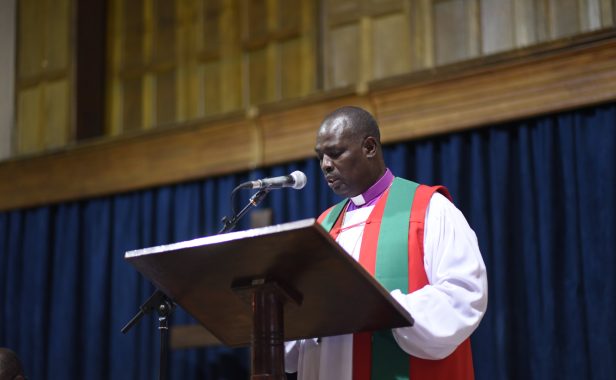
He warned that constructing a religious structure within State House violates Kenya’s secular foundations and sets a troubling precedent about the fusion of religion and executive power. “It sends a problematic message about the role of religion in governance,” the archbishop cautioned.
Ruto’s earlier defense
On Friday, July 4, 2025, while addressing Embu grassroots leaders at State House, President Ruto had strongly defended the project, saying it is symbolic of Kenya’s spiritual roots and his own faith-driven leadership.
“I believe in God and I have no apologies to make for building a church at State House. We will build God’s church, even if it angers the devil,” Ruto said, emphasising that he found a “mabati” (iron sheet) church at State House and was simply upgrading it to a dignified structure.
He clarified that government funds are not involved in the construction, and that critics should not politicise the issue.
Despite mounting concerns, the president remains firm. As the debate unfolds, Kenyans continue to question whether the project reflects personal devotion—or risks crossing the line into state-sponsored religion.