





With public debate ongoing over President William Ruto’s proposed church project at State House, former Law Society of Kenya (LSK) President Nelson Havi has given his personal reason for refusing to contribute to the building of churches.
In an X post on July 6, Havi stated that there are many churches but very few Christians in them. According to him, while the churches appear full, the conduct of those inside does not reflect true Christian values.
He added that this is the reason he personally stopped contributing toward the construction of churches, pointing out that the increase in buildings does not match the decline in genuine Christian character.
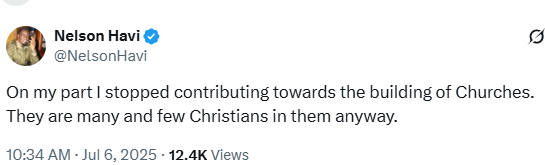
“On my part I stopped contributing towards the building of churches. There are many and few Christians in them anyway,” Havi said.
Church project
President William Ruto’s plan to construct a Ksh1.2 billion church at State House, Nairobi, has ignited intense public debate across the country.
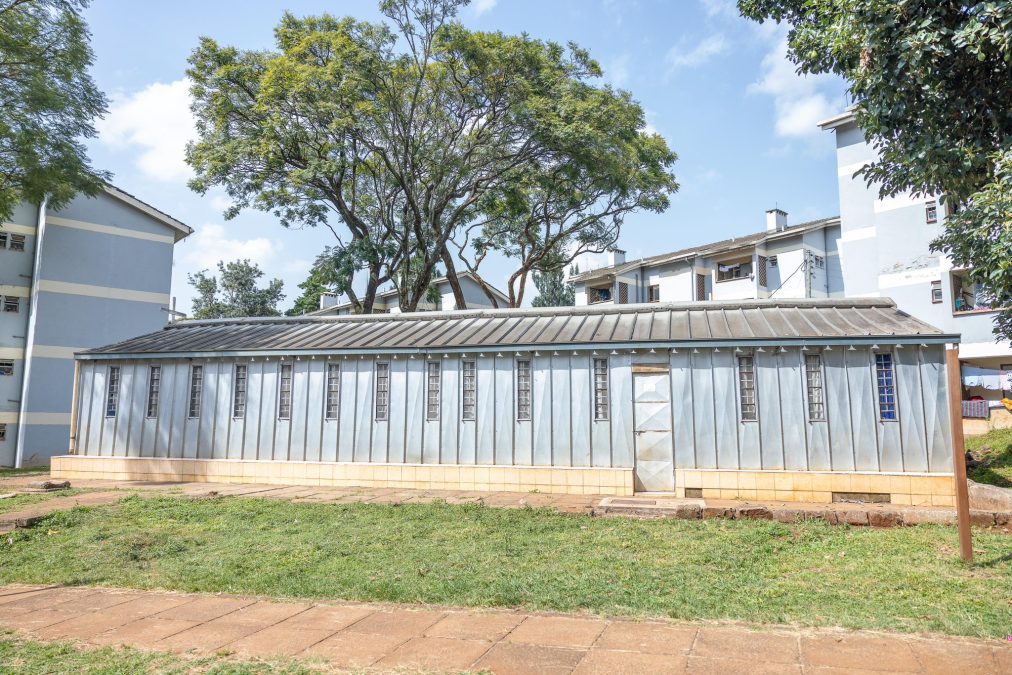
The proposed structure will replace an existing iron-sheet chapel with a modern cathedral-style church designed by Skair Architects Limited. With a capacity of 8,000 seats, stained-glass windows, and twin rooftop crosses, the new church is intended to serve the president, his family, and State House staff and host national prayer events.
Speaking in earlier, Ruto maintained that the project will be privately funded, dismissing claims of public funds being used. He emphasised that the initiative is a personal commitment and not a burden on taxpayers.
Despite this assurance, critics have questioned the project’s timing and priority. Opposition leaders and civil society groups argue that allocating such vast resources to a religious structure reflects misplaced focus, especially as the country faces rising inflation, youth unemployment, and underfunded essential services like schools and hospitals.
Among the vocal critics are Mumias East MP Peter Salasya and lawyer Ndegwa Njiru, who have challenged the project’s necessity. They argue that during a time of economic strain, leaders should channel resources toward areas that directly benefit citizens.
On the other hand, supporters of the project, including some religious leaders, have praised Ruto’s commitment to faith-based values. They note that the current State House chapel is outdated and lacks the capacity for large prayer events.