





In Kenya’s rapidly evolving digital landscape, TikTok has emerged as a political powerhouse, shaping narratives, organising protests, and influencing voter sentiment.
Yet, most of the country’s political class remains unprepared for this shift, risking irrelevance in a nation where 38% of citizens now get their news from TikTok.
With the 2027 elections on the horizon, Kenya’s leaders urgently need a TikTok crash course—not just to stay visible, but to connect with Gen Z, fight misinformation, and adapt to a new era of digital activism.
TikTok: The new political battleground
What began as a platform for dance trends has evolved into a virtual parliament. In 2024, Gen Z turned TikTok into a hub for civic education and protest, using hashtags like #GenZForJustice to rally against the Finance Bill.
Content creators like Nuru Okanga and Brian Mutinda use Sheng and humour to break down complex policies, making them accessible to millions. Their content, often raw and unfiltered, has transformed the platform into a tool for mobilisation, satire, and accountability.
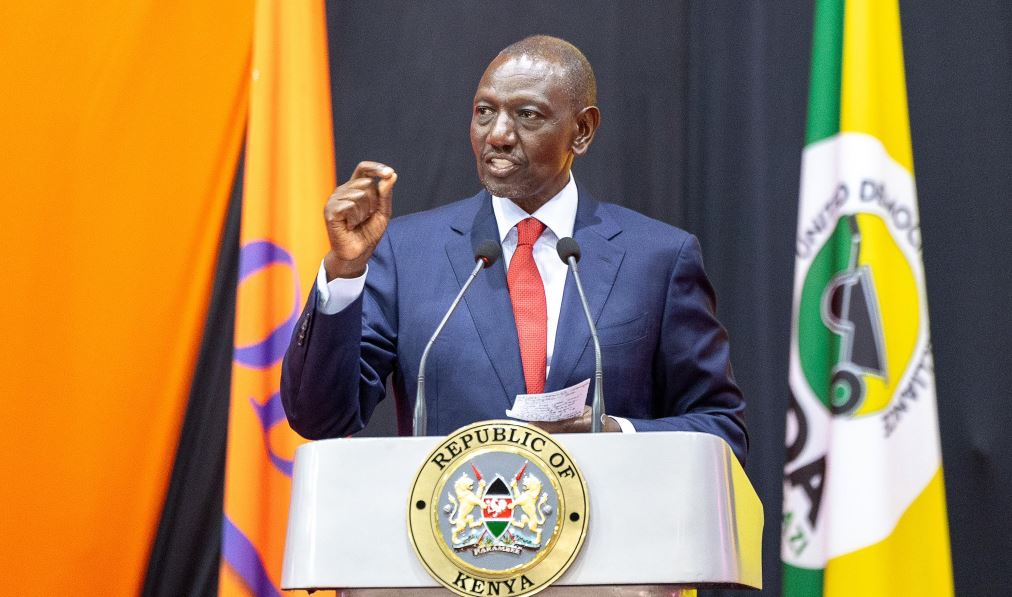
Even politicians are taking notice. Nairobi Governor Johnson Sakaja’s TikTok video welcomed followers, a testament to the platform’s unmatched reach. Others, like Lang’ata MP Jalang’o, are actively engaging audiences. However, many top leaders—including President William Ruto—still rely on stiff official accounts that feel disconnected from the everyday struggles of youth.

A TikTok crash course could help politicians use the platform more effectively, teaching them to address youth issues—like unemployment and cost of living—using short, relatable videos that speak the language of their audience.
Despite this, most politicians lack the digital skills to identify or counter these trends. A well-designed TikTok crash course could equip them with the tools to spot deepfakes, understand the platform’s algorithms, and promote credible, fact-based messaging. Kenya cannot fight disinformation if its leaders remain digitally illiterate.
Engaging a digital-first electorate
Kenya’s political communication is undergoing a massive shift. Kenyans now access news via smartphones and TikTok’s user base. Some politicians use TikTok not just to share updates but to showcase lifestyle content and philanthropy—engagement styles that resonate in ways traditional media no longer can.
This digital shift is more than a trend—it’s an electoral reality. Governance expert Javas Bigambo recently warned that leaders who ignore these platforms risk becoming obsolete. A TikTok crash course would train politicians to craft content that is not only appealing but also responsible. It would also teach them to read TikTok’s comment sections—arguably today’s most honest feedback loops—as seen with the viral discussions around Sakaja’s Dishi na County program.
Learning from Gen Z’s playbook
Kenya’s Gen Z has redefined political engagement. The 2024 protests against the Finance Bill were coordinated almost entirely through TikTok, Instagram, and X. Young Kenyans used live streams, duets, and trending hashtags to mobilise crowds in real time. But this bold activism has also come at a cost.
Recently, Ndiangui Kinyagia, a vocal social media user, went missing for 13 days after a politically sensitive post, only for him to resurface on Thursday, July 3, 2025, with the Directorate of Criminal Investigations (DCI) claiming that he was not under police custody for the 13 days he was missing.
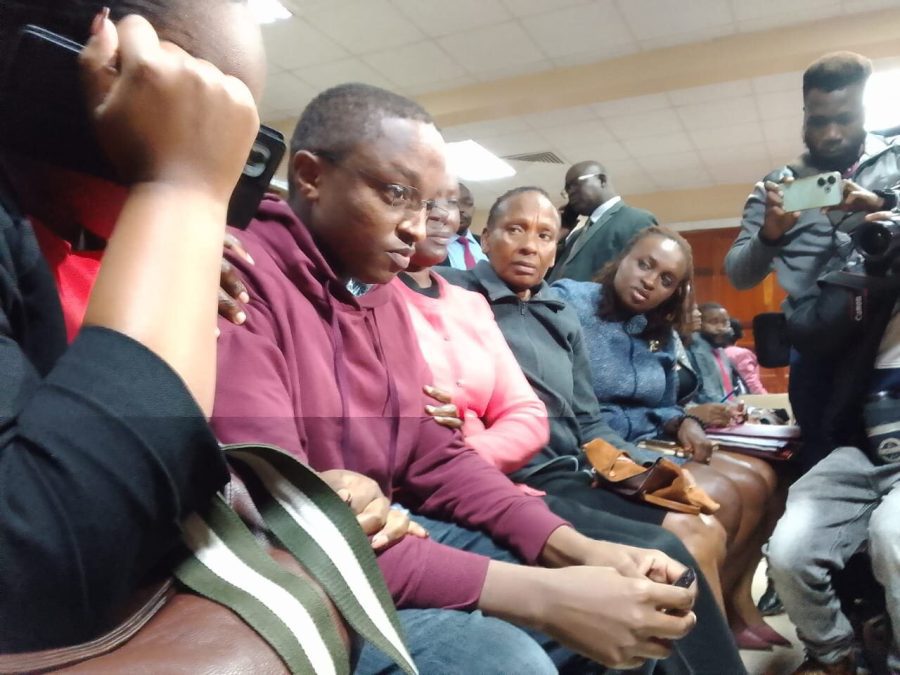
His case sent shockwaves across platforms and raised urgent concerns about the risks digital activists face. Politicians should take note: this generation isn’t just scrolling—they’re sacrificing, questioning, and reshaping the future.
A TikTok crash course would show leaders how to respond to this energy, not by shutting it down, but by engaging it meaningfully. Issues like economic inclusion, climate justice, and police accountability can no longer be addressed through press conferences alone.
A digital imperative for 2027
Some sceptics may argue that TikTok’s informal tone risks trivialising serious issues. Others fear it might amplify polarising content. But avoiding the platform is the bigger danger. Inaction cedes the space to unregulated influencers and malign actors, as seen in the 2022 disinformation campaigns.
Kenya’s political class must treat digital engagement not as a PR exercise, but as a civic responsibility. By 2027, platforms like TikTok will play a central role in shaping voter behaviour, organising movements, and determining electoral outcomes.
A crash course in TikTok is no longer optional—it’s a necessity. Leaders who learn the platform’s language, understand its risks, and embrace its power will thrive. Those who don’t will find themselves out of touch and out of time. Because in Kenya’s new digital parliament, every scroll is a vote, and every silence is a lost opportunity.