
A sombre scene unfolded in the village of Kakwonyo on Thursday, July 3, 2025, as the body of Albert Ojwang, a 31-year-old teacher and blogger, was brought home for final prayers—his coffin passed through a window into his father’s house, in line with Luo tradition.
In some Luo customs, the body of the deceased is brought into the house through a window during a night vigil, which is held before the funeral. This ritual, known as the reception of the body, allows mourners to gather, pray, sing, and share memories of the deceased.
It is part of a broader set of funeral ceremonies deeply rooted in Luo culture and spirituality, symbolising the final return of a loved one to their ancestral home.
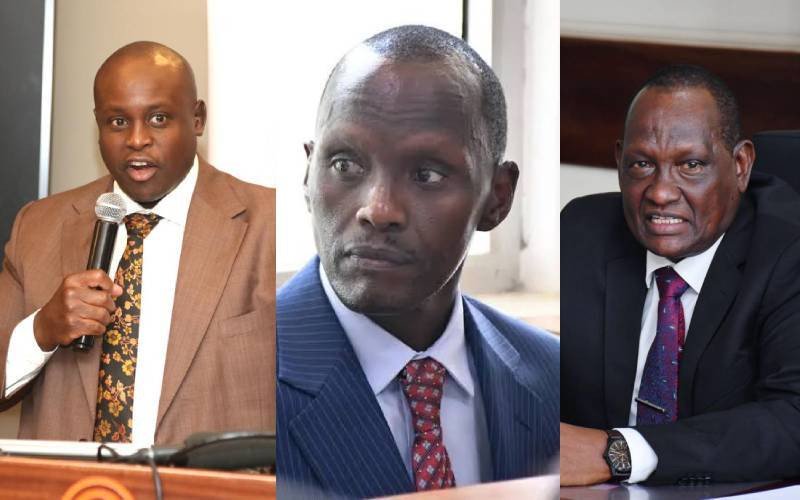
Ojwang who was arrested on June 6, 2025, in Homa Bay following a defamation complaint by Deputy Inspector General of Police Eliud Lagat, was transferred approximately 350 kilometres to Nairobi’s Central Police Station, where he died hours after being booked on June 7, 2025, under suspicious circumstances.
An autopsy revealed that he died from blunt force trauma and neck compression, contradicting initial police claims that he had committed suicide.
His death sparked widespread public outrage and protests, with growing calls for DIG Lagat’s resignation. The outcry intensified amid allegations of a cover-up, including reports of tampered CCTV footage at the police station.
The symbolic act came amid grief and fury over Ojwang’s controversial death in police custody on June 8. His body was received with wails and solemn prayers, the homestead enveloped in sorrow.
Earlier, in a dramatic and emotionally charged protest, thousands of residents in Mawego, Homa Bay County, on Thursday escorted the body of Albert Ojwang’ to Mawego Police Station, where he was held before he was transferred to Nairobi.
The bold procession, captured, showed a sea of mourners walking along dusty village roads, chanting “Justice for Albert” and “Stop killing us.” The crowd carried placards and waved banners as they approached the police station, demanding accountability for Ojwang’s death, which has sparked national outrage.

Albert’s father, Meshack Ojwang Opiyo, broke down as he spoke of his only son. “He was my hope,” he said, tears flowing freely. The autopsy report, led by government pathologist Dr. Bernard Midia, revealed blunt force trauma, neck compression, and multiple injuries—contradicting earlier police claims of suicide and fuelling nationwide outrage over police brutality.
The air grew tense as mourners recalled the earlier incident in Mawego, where youths from Mawego Technical College intercepted the hearse, diverted it to Mawego Police Station—where Ojwang was briefly held before his transfer to Nairobi—and set it ablaze in protest.
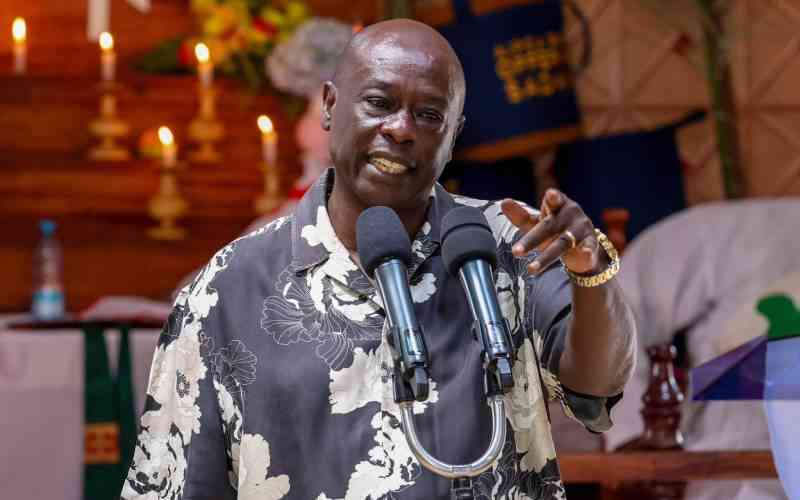
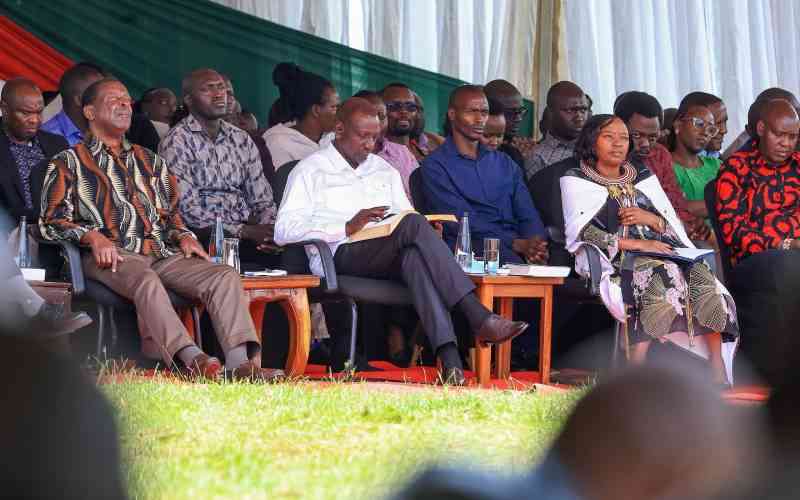
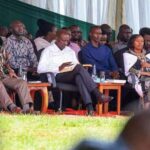
Inside the homestead, final prayers were led by local clergy as women wept and men stood in stoic silence. Outside, anger simmered beneath the grief. Ojwang’s widow, Nevnina Onyango, clutched their five-month-old son. “He promised he’d see me soon,” she said, recalling his last phone call from Central Police Station.
The night culminated in a traditional disco matanga, a Luo night vigil blending mourning and celebration. Mourners sang and danced under the stars, remembering Albert as a passionate Manchester United fan, teacher, and outspoken digital activist.
So far, six suspects, including three police officers, face murder charges. The Independent Policing Oversight Authority (IPOA) is continuing investigations, as Kenyans demand accountability and reform.