






The Office of the Director of Public Prosecutions (ODPP) and the Independent Policing Oversight Authority (IPOA) have reaffirmed their commitment to tackling police misconduct, following a high-level meeting held on June 30, 2025, in Kenya’s North Eastern region.
ODPP’s X account on July 1, 2025, revealed that the meeting focused on the importance of collaboration, coordination, and cooperation between the two independent agencies tackling misconduct.
The consultative meeting brought together North Eastern Regional Coordinator SADPP Bonny Okemwa and a team of senior IPOA officials, led by Commissioner Micah Onyiego and Regional Head Tim Nzomu.
The gathering came against the backdrop of growing public outrage over police killings during protests, which have claimed lives, caused loss of property, destruction of property, and rape, as witnessed on June 25, 2025.
The June 25 protest sparked nationwide outrage following reports of excessive force by police, including the use of live bullets, tear gas, and alleged abductions targeting demonstrators.
According to Interior Cabinet Secretary Kipchumba Murkomen, at least ten Kenyans died during the June 25, 2025, protests, and the government is conducting investigations into the circumstances of their untimely deaths.
“More than 10 Kenyans were killed; investigations are ongoing into the circumstances under which this happened. Over 400 people were injured; close to 300 were police officers, and some left with injuries they will carry for the rest of their lives,” he stated.
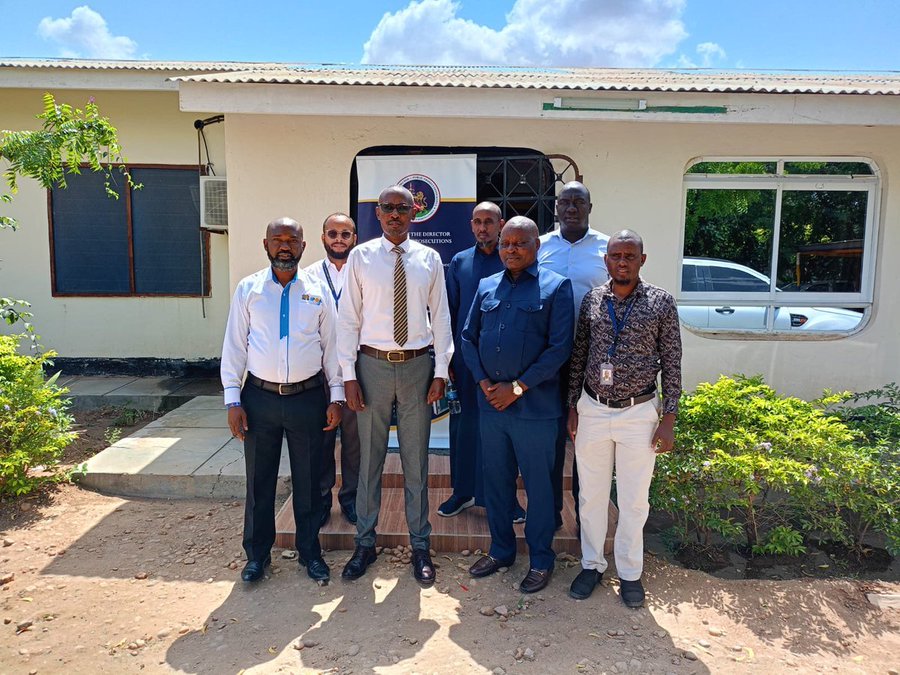
Both agencies emphasised the need for stronger collaboration, with Okemwa calling for “effective investigations into cases of police excesses to enhance police accountability in the country.” He stressed the importance of law enforcement agencies upholding fundamental human rights as they carry out their duties.
Training of prosecutors
A key outcome of the meeting was an agreement to initiate regular joint training for prosecutors and investigators. The move aims to build capacity within both agencies and ensure that complex police-related cases are handled with professionalism and speed.
The ODPP and IPOA play distinct but complementary roles in ensuring police accountability. While IPOA conducts independent investigations into police conduct, the ODPP reviews the resulting files and determines whether there is enough evidence to prosecute.
This framework has already produced significant results. According to the agencies, their collaboration has led to over 50 convictions, including landmark rulings on unlawful killings and other serious violations by police officers.
To improve access to justice in underserved areas, the two bodies also discussed opening satellite IPOA offices in Mandera and Wajir. These offices would fast-track investigations and ease the logistical burden of monitoring police conduct in remote regions.
The meeting further explored the possibility of applying diversion and plea bargain mechanisms in appropriate cases. Such strategies could ease court backlogs while ensuring that justice is served.
As demands for police reform grow louder, the renewed partnership between ODPP and IPOA signals a firmer stance on accountability. By prioritising coordination, expanding regional presence, and building technical capacity, the two institutions aim to ensure that cases of police misconduct are not only investigated but also fully prosecuted.
This strengthened collaboration marks a critical step toward restoring public trust and delivering justice in the wake of increased scrutiny over police actions across the country.