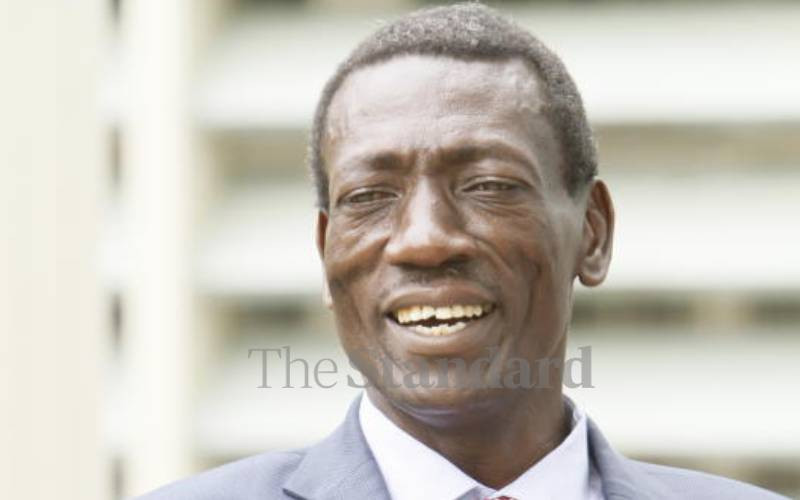






Maureen Waititu has come out to dismiss the narrative that protesters were responsible for torching and destroying the Kikuyu Law Courts and the local police station facilities that have long served the community.
According to her, these claims are not only false but also appear to be part of a calculated effort to discredit the Gen Z protests. She argued that having passed by the area frequently, she knows it is a highly protected zone, with the law courts fenced by a strong concrete wall that makes unauthorised access extremely difficult.
”You can’t convince me that people worked up and decided that let’s go and torture and do something to an infrastructure that has been helping them. This is well calculated, like the law courts in Gikuyu. I have passed there a number of times; it’s a very secure place, let alone the fire and even the wall-like concrete wall.” Maureen said on Monday June 30, 2025.
She also raised suspicion over the attack on the police station, pointing to a viral video showing Cell 1, which is normally occupied, completely empty at the time of the incident.
She questioned how a central holding cell that always has people inside could be deserted during such a moment, terming the situation as foul play.
According to Maureen, this may have been a well-orchestrated plan involving hired individuals who might not even be from the area, all aimed at blaming peaceful protesters.
“I remember footage I saw where ideally the people arrested should be in cell 1, and it was empty, first of all, if it was a working day, because it was a working day. I am sure someone had been arrested the previous evening; that cell was not empty. It’s so well calculated, and I understand that people who did that are not from that area; they were transported,” she added.
Condemning tribal narratives
Following this, Maureen also came out strongly to reject the narrative that the June 25 Gen Z commemoration was tribally driven or that only people from a particular community took part in the demonstrations.
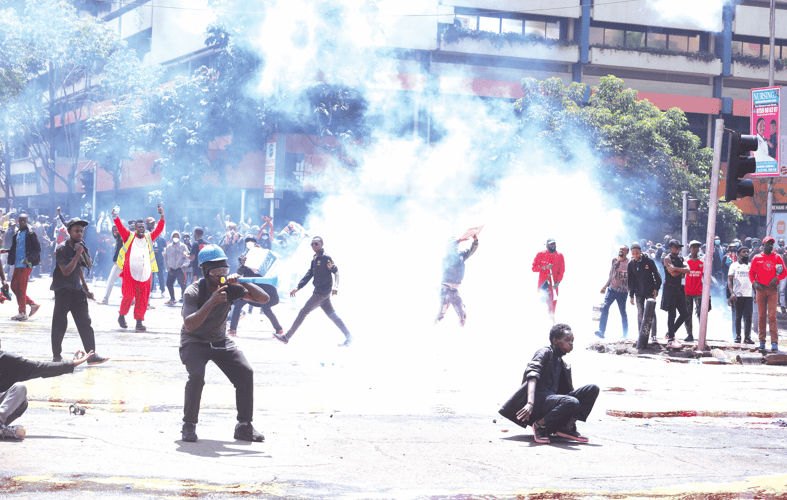
Speaking on a podcast on June 30, 2025, she said that Kenyans—especially Gen Z—have evolved and are no longer influenced by tribal politics.
She noted that this change was evident even in last year’s June 2024 protests, where young people mobilised each other across all tribes and regions to stand together for a common cause. According to her, the same solidarity was seen this year.
She further added that if you walked down a popular street like Kenyatta Avenue during the protests and asked any demonstrator where they came from, very few would mention their roots.
Giving an example of her own children, who are a quarter Luhya and three-quarters Gikuyu, she said that 20 years from now, it would be hard for them to identify with a specific tribe since they are being raised in the city.
Maureen concluded by saying the government is using the tribal narrative to spin and tarnish the image of what was a peaceful, organic movement led by the youth across the country.
“Regional and tribal politics – they died last year with the Gen Z movement. I know a lot happened in the central areas; if you randomly go on Kenyatta Avenue, you start asking everyone, ‘Where do you come from?’ They come from everywhere; some don’t know where they come from. This has changed; that is another narrative they are trying to spin,” she concluded.